

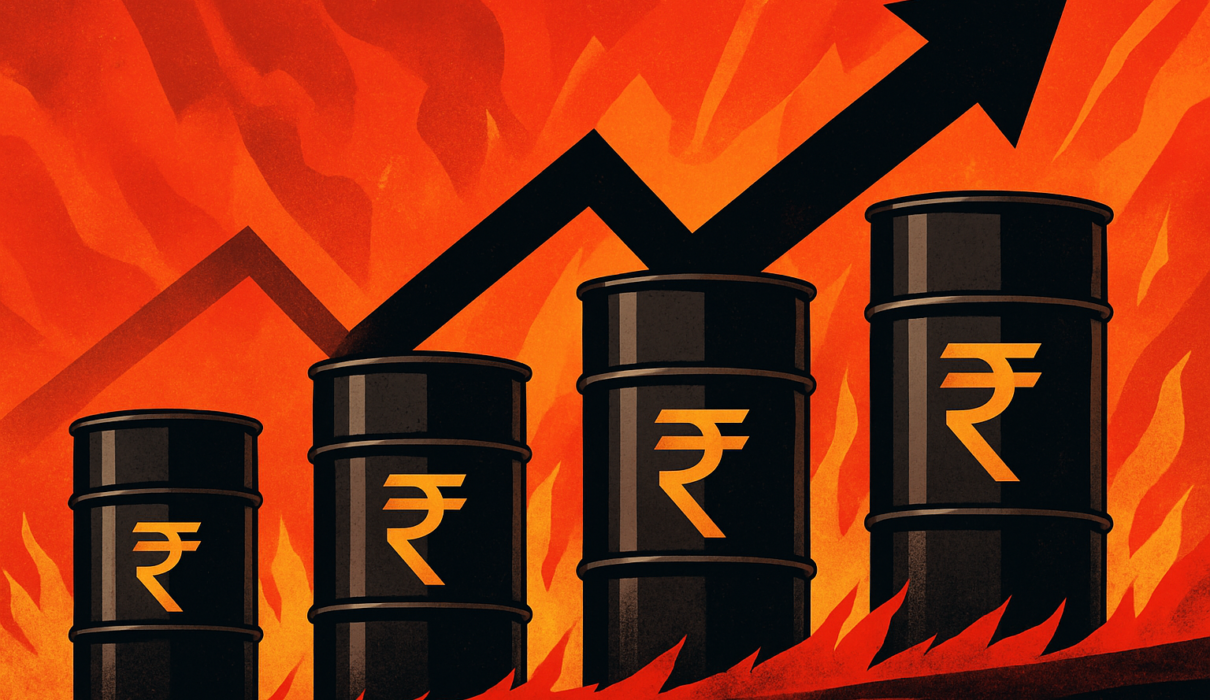
How the US-Iran Conflict Drives Up Oil Prices in India
The US-Iran conflict has pushed global oil prices higher, and Indian families may feel the pinch through petrol, diesel, LPG, transport costs, and grocery bills. Oil is a global commodity, so a supply shock in West Asia can affect prices far beyond the conflict zone. For India, the pressure can enter household budgets through both direct fuel purchases and indirect price increases.
Oil prices often rise when a major conflict threatens supply routes, shipping confidence, or producer stability. The conflict has added fear to the market because West Asia remains vital for global crude flows. Reports from OilPrice.com on higher consumer fuel costs show how quickly energy shocks can hurt regular families, including a reported extra fuel-cost burden for US consumers.
India’s Exposure to Imported Crude Oil
India buys a large share of its crude oil from overseas markets, so global price swings matter for local fuel costs. When crude becomes costlier in dollars, India’s import bill can rise and pressure can build on petrol and diesel prices. A weaker rupee can add another layer of stress because crude is largely traded internationally in dollars.
This link between crude oil and the rupee also matters for inflation. Fuel affects transport, food distribution, manufacturing, and many services that households use every month. You can follow official monetary policy updates through the Reserve Bank of India when fuel-led inflation starts influencing rate expectations and market sentiment.
How Global Oil Prices Translate to Indian Fuel Rates
Indian petrol and diesel prices do not equal crude oil prices alone. Refining costs, dealer commissions, central excise, and state VAT all add to the final pump price. That is why fuel prices can vary across Delhi, Mumbai, Bengaluru, Chennai, and other cities even when crude prices move in the same direction.
State taxes can make a large difference for consumers. A rise in crude may not hit all states equally because VAT structures and local levies differ. Retail fuel relief also depends on whether central or state governments decide to reduce taxes during a sharp price spike.
Impact on Indian Households: Fuel Bills and Budget Strains
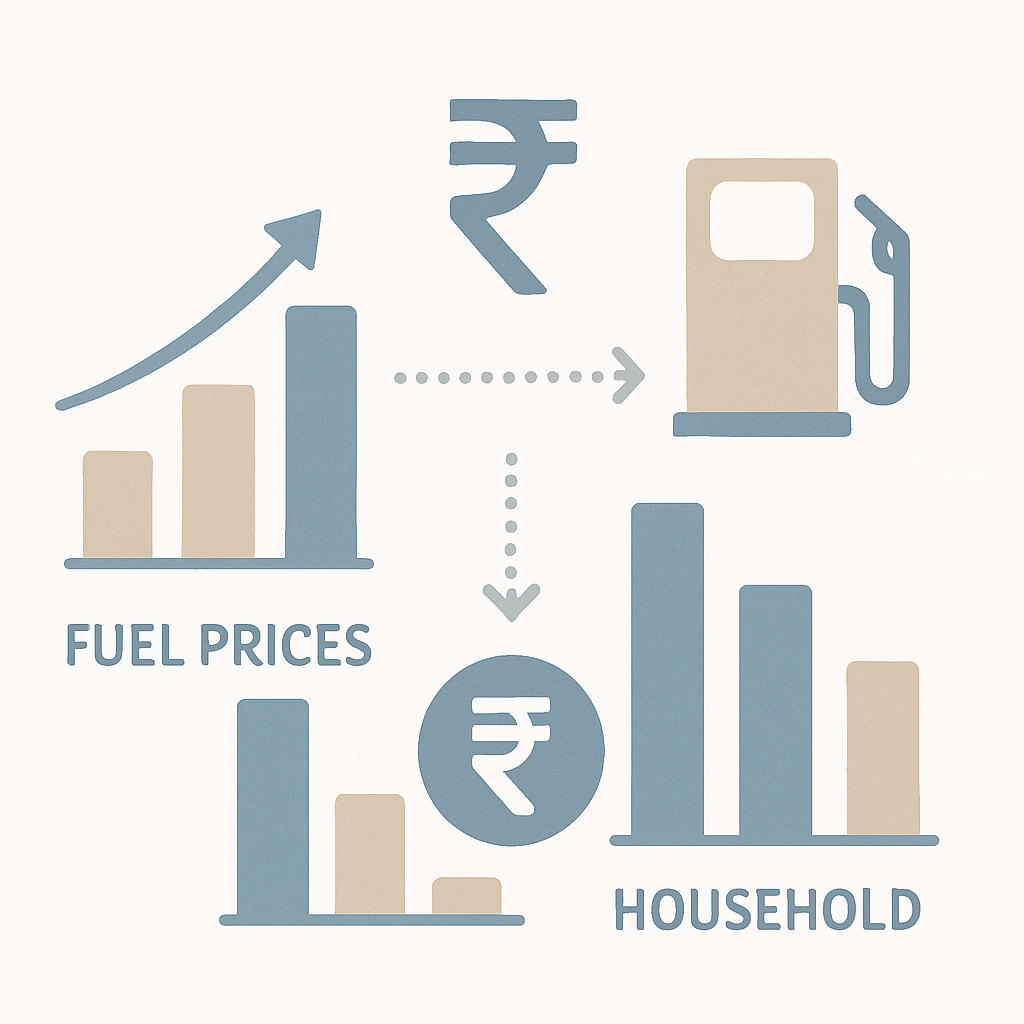
The oil price surge after the US-Iran conflict can raise daily commute costs for office workers, students, and small business owners. Petrol car users feel it at the pump, while diesel costs affect buses, trucks, tractors, delivery vans, and intercity transport. These costs can slowly enter food, milk, vegetables, school transport, courier charges, and online delivery fees.
Global reports already show this pattern in other countries. Forbes reported on rising energy costs pressuring household budgets, with families facing higher gasoline and daily living costs. Indian households face a similar risk because fuel sits behind many routine expenses, even for families that do not drive every day.
Effects on Urban and Rural Consumers
Urban families usually notice fuel hikes through commuting costs first. Cab fares, delivery fees, school vans, office travel, and weekend trips can become costlier when petrol and diesel rise. Households already managing EMIs, rent, medical bills, or credit card dues may find it harder to absorb a higher monthly fuel bill.
Rural families face a different but serious burden. Diesel is used in farm activity, goods transport, local travel, and irrigation support in many areas. LPG price hikes can also hurt both rural and urban families, especially low-income households that depend on cooking gas and have limited room to cut other spending.
Household Budget Adjustments During Fuel Inflation
When fuel gets costly, families often cut other expenses first. They may delay shopping, reduce eating out, skip short trips, or postpone repairs and discretionary purchases. This can affect small retailers, restaurants, local services, and transport operators, especially in price-sensitive towns and lower-income neighbourhoods.
Transport inflation also pushes up daily goods prices. PBS News explained that higher fuel surcharges can make shipped goods more expensive for consumers through its report on how surging oil prices affect consumers. For Indian homes, this means the monthly ration bill may rise even when a family’s direct petrol use is low.
Indian Government Strategies to Stabilize Fuel Prices
The government has a few tools to manage sudden crude price shocks. It can use strategic petroleum reserves, adjust fuel taxes, support targeted subsidies, and coordinate with suppliers to protect supply. These steps cannot remove global volatility, but they can soften sharp price jumps for households and businesses.
Policy choices also depend on inflation, fiscal needs, and state revenues. If fuel prices push inflation higher, RBI may stay watchful on monetary policy and liquidity conditions. Investors also watch Nifty, Sensex, BSE, and NSE trends because oil prices can affect corporate margins, logistics costs, and market mood.
Role of Strategic Petroleum Reserves
India maintains strategic petroleum reserves for supply security. The government can use these reserves during severe disruptions or extreme shortages to reduce immediate supply pressure. These reserves work best as a short-term cushion because they cannot replace regular crude imports for long periods.
If global crude stays high for many months, India still needs steady imports at market-linked prices. That is why supply diplomacy, diversified sourcing, refinery planning, and currency stability remain relevant. Strategic reserves can buy time, but they do not fully shield households from a prolonged global oil shock.
Taxation Policies and Subsidies on Fuel and LPG
Central and state governments can reduce fuel taxes during sharp price spikes. Excise duty cuts and VAT relief can lower petrol and diesel prices for consumers when fiscal space allows. However, tax cuts also reduce government revenue, so policymakers usually weigh relief against spending needs and budget targets.
LPG subsidies can support families that need help the most. Schemes linked to Direct Benefit Transfer and Ujjwala aim to reduce cooking fuel stress for eligible households. If your fuel and EMI costs are rising together, read our guide on why rising vehicle loans matter for your EMI and credit health.
Practical Fuel-Saving and Budgeting Strategies for Indian Families
You cannot control crude oil prices, but you can control usage and planning. Start by tracking fuel spending for one full month, including petrol, diesel, LPG, cab rides, delivery fees, paid parking, and tolls. This gives you a clearer picture of the real monthly impact instead of focusing only on pump prices.
Once you know the number, set a monthly fuel limit in INR. Keep this separate from groceries, insurance premiums, school fees, rent, and loan EMIs so that overspending becomes visible quickly. If rising fuel costs are disturbing your wider financial plan, consult a financial advisor before changing long-term commitments.
Leveraging LPG Subsidies and Alternate Fuels
Check whether your LPG connection is linked properly with your bank account. Eligible families should confirm subsidy status under PAHAL or other relevant LPG benefit systems through official channels. Ujjwala beneficiaries should also track government announcements because subsidy rules and support amounts can change.
CNG can reduce running costs in cities where the station network is reliable. Electric vehicles may help long-term users, but purchase price, charging access, battery costs, insurance, and resale value matter. Before buying a vehicle on loan, compare the full ownership cost and consult a financial advisor if the purchase affects your monthly budget.
Daily Habits and Tools to Optimize Fuel Usage
Carpooling can cut commute costs without a major lifestyle change. Public transport, office shuttles, metro routes, and shared rides can also help urban families reduce fuel use. Smart route planning lowers idle time and avoids costly traffic stretches during peak hours.
Regular maintenance improves mileage and lowers repair bills. Keep tyres inflated, service vehicles on time, avoid harsh acceleration, and remove unnecessary load from the vehicle. Fuel tracking apps or a simple spreadsheet can show weekly usage patterns and help you spot waste quickly.
Long-Term Outlook: What Indians Can Expect in Fuel Prices
The oil price surge after the US-Iran conflict may not move in a straight line. Prices can rise on supply fears and fall when diplomacy improves or markets receive better supply signals. OPEC decisions, global demand, shipping risks, and currency movements will continue to influence crude prices.
Indian consumers should prepare for periodic volatility rather than one fixed outcome. A stronger rupee can ease import costs, while a weaker rupee can worsen the pressure from expensive crude. If oil stays elevated, inflation pressure may affect household budgets, transport operators, small businesses, and corporate margins.
Geopolitical and Market Factors Influencing Prices
US-Iran relations remain a key driver for energy markets in this situation. Any threat to major shipping routes can raise risk premiums because traders price in the possibility of disruption. Global economic recovery can also lift oil demand, which may keep prices firm even when immediate conflict fears ease.
Indian markets track these signals closely. Oil-sensitive sectors can influence Nifty and Sensex moves, while SEBI-regulated markets may react to earnings pressure and inflation expectations. For a wider household view, read why rising crude prices matter for your budget now.
Expected Government Responses and Market Adaptations
The government may revise taxes if fuel prices rise too sharply. It may also encourage energy efficiency, public transport upgrades, alternative fuels, and electric mobility to reduce long-term crude dependence. These shifts take time, so households still need short-term budgeting discipline during volatile periods.
Consumers should also review income tax planning during high inflation periods. Tax-saving choices and insurance premiums should fit the overall budget, risk profile, and liquidity needs instead of being rushed under pressure. For market-related awareness, also see why SEBI’s curbs matter for your bond investments and consult a financial advisor before making investment decisions.
FAQ: Common Questions on Oil Price Surge and Indian Budgets
The oil price surge after the US-Iran conflict raises practical questions for Indian households. Most families want to know whether petrol, diesel, and LPG will keep rising. The answers depend on crude prices, taxes, subsidies, currency movements, and how long the supply risk continues.
Why are Indian fuel prices rising after the US-Iran conflict?
Indian fuel prices can rise when global crude oil becomes costlier. India depends heavily on imported crude, so global shocks matter for local fuel economics. If the rupee weakens against the dollar at the same time, imported crude can become even more expensive.
How do state taxes affect fuel prices for Indian consumers?
States charge VAT and other levies on petrol and diesel. These charges differ across states, so pump prices vary by location. Even when crude prices move similarly, retail fuel prices can differ between Indian cities because tax structures are not identical.
What government subsidies are available to reduce LPG costs?
Eligible households may receive LPG support through Direct Benefit Transfer. Ujjwala beneficiaries can also receive targeted help based on current government rules. Always check official LPG portals, your oil marketing company account, or your distributor for the latest subsidy status.
How can Indian families reduce their fuel expenses effectively?
Families can carpool, use public transport, and plan routes more carefully. CNG vehicles may help where stations are easy to access and daily running is high. Electric vehicles can reduce running costs for some users, but buyers should compare the full ownership cost before taking a loan.
Will fuel prices continue to rise or stabilize soon?
Fuel prices depend on geopolitics, crude supply, demand, taxes, and the rupee. If tensions ease and supply confidence improves, prices may cool over time. If conflict worsens or shipping risks rise, household budgets may stay under pressure for longer.
Protect Your Budget During Oil Price Volatility
Rising oil prices can quietly disturb your monthly plan. NEADA’s report on the economic impact of the Iranian conflict on low-and-middle-income families shows that lower-income households often suffer the most when energy costs rise. Indian families should treat fuel as a core budget item, not a small side expense.
Review your fuel use, LPG subsidy status, EMI load, and emergency savings this week. Keep essential insurance and long-term financial goals on track where possible, and consult a financial advisor before making major money decisions. Subscribe to PocketPlanGuru and explore more practical guides to stay ready for fuel shocks, inflation pressure, and household budget surprises.
Disclaimer: The information above is for educational purposes only and does not constitute financial advice.
10 Comments