


Understanding SEBI’s Proposed Restrictions on Online Bond Advertisements
Seen a bond ad promising attractive yields on your phone screen? Pause before you click, because SEBI has proposed tighter norms for online bond platform providers, also known as OBPPs. The aim is to reduce misleading promotional claims and help retail investors see key facts before they make an investment decision.
As reported by The Economic Times on SEBI’s proposed curbs, the regulator is focusing on digital ads, social media promotions, and influencer-led content. SEBI’s concern is that return-focused messaging can encourage investors to act without adequate due diligence. The proposed rules are meant to make bond ads more informative and less driven by urgency or fear of missing out.
Why SEBI Is Focusing on Online Bond Ads
Retail interest in bonds has grown as Indian investors look beyond fixed deposits, mutual funds, Nifty, and Sensex-linked products for income options. Online platforms have made listed debt securities easier to discover, but easier access also increases the need for clearer disclosure. SEBI’s proposal recognises that a polished digital ad can make a complex bond look simpler than it really is.
Bond investing involves credit risk, interest rate risk, liquidity risk, taxation, and maturity-related considerations. A high yield may reflect higher risk, and it should not be viewed in isolation. If an ad highlights only returns and hides the issuer, rating, or exit conditions, investors should treat it as incomplete marketing and consult a financial advisor before acting.
Key Disclosures Proposed for Bond Advertisements
According to Moneycontrol’s report on the proposed disclosure rules, advertisements featuring specific securities may need to show standardised information. This includes the issuer, tenor, credit rating, nature of the security, clean price, dirty price, yield to maturity, and the Credit Risk-o-meter. These details can help investors understand what is being promoted before they compare it with other fixed income choices.
The issuer’s identity matters because a bond is ultimately a promise by the borrower to pay interest and repay principal. The credit rating gives a view of repayment capacity, although it is not a guarantee of safety. Prices, yields, and tenor also matter because the return you actually earn can depend on when you buy, how long you hold, and whether you can exit at a reasonable price.
Limits on Promotional Claims and Influencer Content
SEBI’s proposed revised advertisement code seeks to restrict claims that may push investors into quick decisions without adequate review. Reports indicate that the regulator is targeting misleading superlatives, fixed-return style messaging, and FOMO-driven promotions. A corporate bond should not be treated as risk-free just because an advertisement uses confident language or attractive design.
Influencer-led promotions are also part of the concern because personal finance content can spread quickly across Instagram, YouTube, WhatsApp, and finance apps. Paid content should not appear to be neutral advice without clear disclosure. If a creator talks only about yield and skips credit risk, liquidity risk, or tax impact, investors should slow down and consult a financial advisor.
How the Proposed Curbs Affect Indian Retail Investors
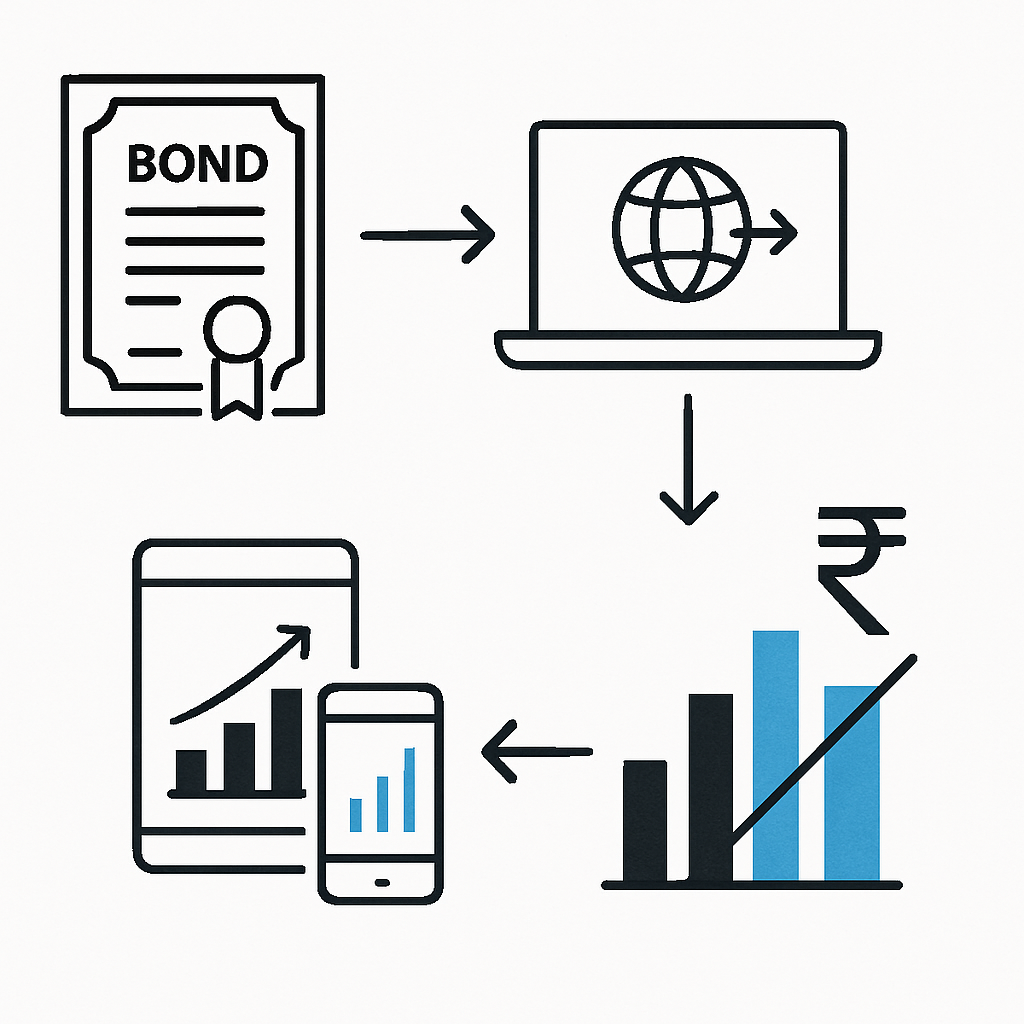
The proposed curbs should make online bond ads clearer for regular Indian investors. You may see more structured information and fewer flashy claims if the norms are implemented. This can reduce the chance of investors being influenced by incomplete or emotional messaging.
Better ads, however, do not automatically mean better bonds. Investors must still verify every claim, read available documents, and understand whether the product suits their financial goals. For a broader view of investor protection, read our guide on why SEBI’s ban on market manipulators matters for your investments.
How to Read a Bond Ad More Carefully
A useful bond ad should answer basic questions upfront. Who is the issuer, what is the credit rating, what is the maturity or tenor, and what yield is being shown? It should also make clear whether the security is listed, where it trades, and what risks may affect exit before maturity.
Do not rely only on the yield number shown in the advertisement. Inflation, RBI repo rate changes, issuer-specific developments, and market liquidity can affect bond prices and investor outcomes. If the ad sounds unusually smooth or urgent, verify the offer details and consult a financial advisor before investing.
Practical Checks Before Acting on an Advertisement
Start by checking the credit rating on the official website of the relevant credit rating agency. Then review the issuer’s financial strength, debt profile, repayment record, and any recent rating action. A familiar company name can still carry risk if its cash flows weaken or its debt burden increases.
Next, understand tax treatment and liquidity before committing money. Interest income may affect your income tax liability, while capital gains treatment can depend on the nature of the bond and the holding period. Also check whether there is active trading on NSE or BSE, because many corporate bonds may have limited secondary market liquidity.
How to Assess Bonds Beyond Online Advertisements
Online bond ads should be treated as starting points, not as investment advice. Your due diligence protects both your capital and your future income. This is especially important when the money is linked to goals such as home loan repayment, insurance premiums, retirement planning, or children’s education.
Bond investing needs a different mindset from equity investing. A stock investor may track market movement and earnings growth, while a bond investor must focus on repayment ability, coupon terms, maturity, taxes, and exit options. If these details are unclear, consult a financial advisor before making a decision.
Verifying Credit Ratings and Risk Warnings
Credit ratings help investors assess the issuer’s repayment capacity, but they should not be treated as a promise of repayment. Use official websites of SEBI-registered credit rating agencies rather than screenshots or cropped images used in promotional material. Ratings can change over time, so check the latest rating note and any outlook or watchlist comments.
Higher-rated bonds generally carry lower credit risk than lower-rated bonds, but no corporate bond is completely free of risk. Lower-rated bonds may offer higher yields because investors demand compensation for taking higher risk. If you do not understand the rating grade or the reason for a high yield, consult a financial advisor before investing.
Checking Issuer Reputation and Repayment History
Look at the issuer’s annual reports, recent financial statements, past bond issues, and repayment conduct. If the issuer operates in a regulated sector, check whether policy changes, tariffs, interest rates, or business cycles could affect cash flows. Any claim of government backing or support should be clearly stated and independently verified.
You can also compare corporate bonds with other fixed income choices based on your risk tolerance. For example, investors often study G-Secs when they want to understand lower credit risk options, although interest rate risk can still apply. Our explainer on why long-dated G-Secs matter for fixed income investors can help you understand that space better.
Understanding Taxation and Liquidity Risks
Bond returns can create tax implications depending on the type of income and the holding period. Interest income is commonly taxed according to the investor’s applicable slab, while capital gains treatment may differ based on the instrument and rules in force. Always confirm the tax impact with a qualified tax advisor before investing.
Liquidity risk also matters because you may not always find a buyer when you want to sell. Some bonds may look attractive on yield but may trade in low volumes in the secondary market. If you may need money before maturity, discuss the exit risk with a financial advisor rather than relying only on the advertisement.
Potential Market Impact of SEBI’s Proposed Curbs
SEBI’s move may reduce aggressive promotions across bond apps and digital platforms. As The Federal reported on SEBI’s proposed ad rules, the regulator has targeted claims that may push investors without enough due diligence. Platforms may need to spend more effort on compliance, standardised disclosure, and investor education.
This change can improve trust in the online bond market over time. Some platforms may redesign ads, landing pages, and influencer campaigns to give risk information more visibility. Others may change how they present yields, comparisons, and product filters to avoid misleading impressions.
Expected Changes on Online Bond Platforms
Platforms may rely less on return-led banners and more on structured product information. Investors may see issuer details, rating, tenor, price information, yield to maturity, and risk warnings presented more clearly. This can make it easier to compare bonds across platforms without being distracted by promotional language.
Influencer content may also become more cautious if the proposed norms are implemented. Creators may avoid casual phrases such as “guaranteed income” or “risk-free alternative” when discussing corporate bonds. This shift can help serious investors ask better questions and separate education from marketing.
Impact on Bond Visibility and Investor Behaviour
Some bonds may receive lower visibility if platforms reduce aggressive promotional campaigns. That does not mean suitable bonds will disappear from the market. It means marketing may become less likely to overshadow core disclosures such as credit risk, liquidity, and issuer details.
Retail interest may also become more selective as investors see more risk information upfront. This can be healthy if it encourages people to compare fixed income products more carefully. Investors should still review trading depth, documents, and suitability with a financial advisor before making a decision.
Before-and-After Examples of Bond Advertisements
Simple examples can show why SEBI is focusing on clearer disclosure. These are learning illustrations and not real advertisements. They show how the same product can look very different when risk information is either hidden or presented clearly.
A weak advertisement may highlight only the return and create urgency. A better advertisement should show key details in a balanced manner and avoid language that sounds like a guarantee. The missing details often matter more than the large yield figure displayed on the screen.
Example of a Misleading High-Return Claim
Imagine an ad saying, “Earn high guaranteed returns, limited slots only.” It shows a bright button and a large yield figure but does not clearly show the issuer name, rating, tenor, or liquidity risk. A new investor may click quickly because the message creates urgency and confidence.
This type of promotion can lead to impulsive decisions. The investor may not check credit quality, tax treatment, or the ability to sell before maturity. If the issuer later faces stress or the bond has poor liquidity, the investor may face outcomes that were not obvious from the advertisement.
Example of a Clearer Bond Advertisement
A clearer ad would show the issuer name, credit rating, tenor, yield to maturity, nature of the security, price information, and risk warning in a visible format. It would explain clean price and dirty price where relevant instead of presenting only a headline yield. It would also avoid words that suggest a guaranteed or risk-free outcome unless the claim is legally and factually accurate.
The advertisement may also mention tax and liquidity risks in plain language. If the bond relates to infrastructure, financial services, or another sector, investors should still review the issuer context and available documents. Our article on what the Delhi Airport bond sale means for investors shows why bond context matters.
How Investor Decisions Can Change
In the first example, the investor reacts to emotion and speed. In the second example, the investor sees facts before deciding whether to study the bond further. Better disclosure can create a pause, and that pause is valuable when money is at risk.
SEBI’s proposed norms cannot replace investor judgement. They can only make the starting point safer and clearer by reducing misleading presentation. You still need research, patience, and professional advice when the product affects your financial plan.
How to Stay Updated on Bond Regulations
Regulations can change, so investors should follow official updates rather than relying only on social media summaries. SEBI consultation papers, press releases, and circulars are the most reliable sources for final regulatory positions. RBI updates can also matter because repo rate decisions and liquidity conditions influence debt markets.
Trusted financial news can help you track developments without getting lost in technical documents. For example, NDTV Profit’s coverage of SEBI’s proposal explains the regulator’s concern about deceptive financial marketing. Use news as context, then verify important details from official sources before investing.
Official Sources to Check
SEBI’s website remains the best place for consultation papers, final circulars, and regulatory updates. NSE and BSE portals can help you review listed debt securities, trading activity, and available market information. Rating agency websites can help you confirm the latest rating, outlook, and rating rationale.
Do not depend only on forwarded messages, short videos, or screenshots. Short-form content may miss key risks such as taxation, maturity mismatch, liquidity, or credit downgrade. When money is at stake, verify the source and consult a financial advisor for personal suitability.
Using Investor Education Wisely
PocketPlanGuru explains Indian money topics in simple language for everyday readers. You can use our guides to understand bonds, SIPs, tax planning, fixed income products, and market news. The goal is to help you ask better questions before you commit money.
A good investor combines official data, credible news, and common sense. No advertisement, app notification, or influencer post should replace careful research. If a product affects your long-term plan, consult a financial advisor before investing.
FAQs: Common Questions About SEBI’s Proposed Online Bond Ad Rules
Many investors have practical doubts about SEBI’s proposed restrictions on online bond advertisements. The key point is that the regulator wants clearer ads, not blind trust in every bond shown online. Use the answers below as a starting guide, then verify details before investing.
Do SEBI’s proposed ad rules guarantee safe bond investments?
No, the proposed rules do not guarantee safety. They aim to make online bond ads clearer and less misleading by improving disclosures and limiting problematic promotional claims. Investors must still check credit risk, liquidity, taxation, maturity, and suitability with a financial advisor.
How can I verify a bond’s credit rating in India?
Check the official website of the relevant SEBI-registered credit rating agency. Compare the rating shown in the advertisement with the latest rating note, rating outlook, and any recent rating action. If you see a mismatch or cannot find the rating, do not rely on the ad alone and consult a financial advisor.
Will these rules reduce the number of bonds available online?
The proposal is focused on advertising standards, not shutting down retail access to bonds. Some offerings may receive lower promotional visibility if platforms reduce aggressive campaigns. The larger benefit for investors should be better transparency before they decide whether to study a bond further.
What should I do if an online bond ad seems misleading?
Do not invest based on that advertisement alone. Save screenshots, check the platform’s official disclosures, and verify the security details through reliable sources. If you already invested and feel unsure, consult a financial advisor and consider reporting concerns through proper SEBI channels.
Are influencer-led bond promotions banned under the proposal?
No, the proposal does not mean all influencer-led promotions are banned. The concern is that promotions should not use exaggerated claims, hide sponsorship, or present risky products as simple guaranteed-return options. If an influencer ignores risk and talks only about yield, treat the content as marketing rather than personal advice.
Stay Alert Before You Invest
SEBI’s proposed curbs on online bond ads are a useful step for Indian retail investors. They can reduce misleading claims, improve disclosures, and make bond comparisons easier. Still, your best protection remains careful research, independent verification, and professional guidance when needed.
Before investing, use the checklist in this guide and verify every major claim. Stay informed, avoid hasty clicks, and consult a financial advisor for your personal situation. Subscribe to PocketPlanGuru and explore more simple guides to make smarter money decisions.
Disclaimer: The information above is for educational purposes only and does not constitute financial advice.
2 Comments