

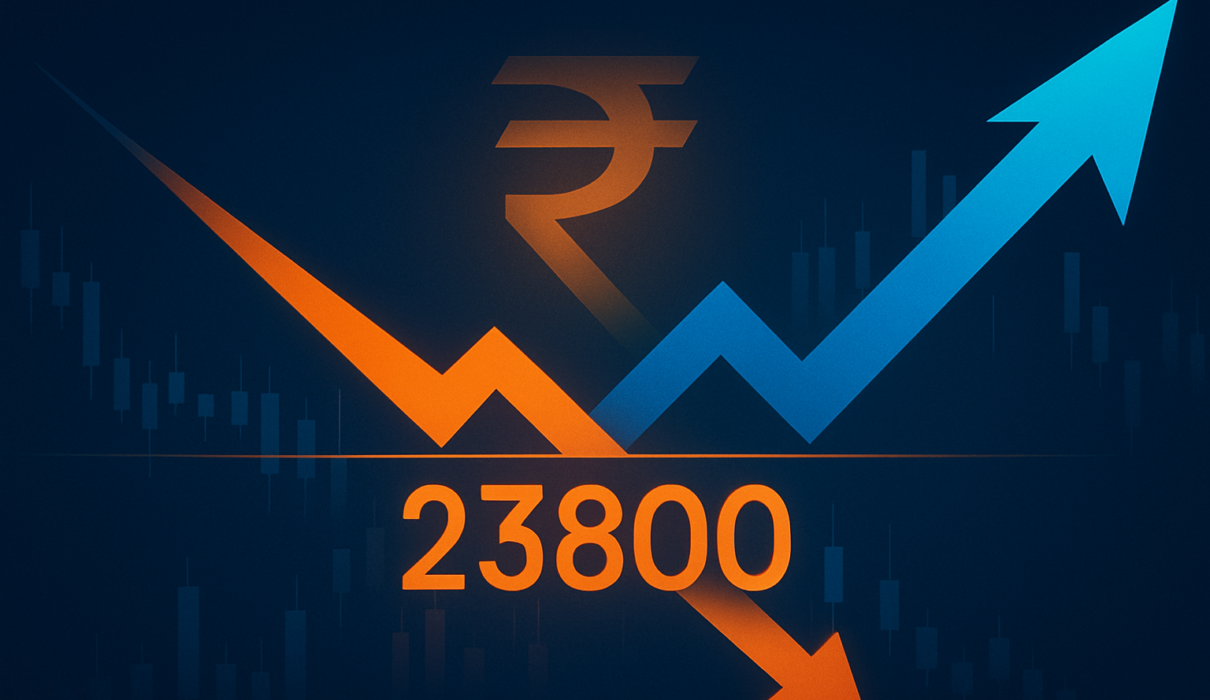
Why the 23,800 Zone Matters Today
A single Nifty level can change the mood of an entire trading day. Today, that level is 23,800, and many Indian investors are watching how the index behaves near it. Nifty’s 23,800 resistance level matters because it may decide whether current gains extend or fade.
When the index nears a stiff resistance zone, traders often become more careful. Fresh buyers wait for proof of strength, while short-term sellers try to protect recent gains. This push and pull can affect stocks, mutual funds, SIP sentiment, and intraday decisions.
What Resistance at 23,800 Means
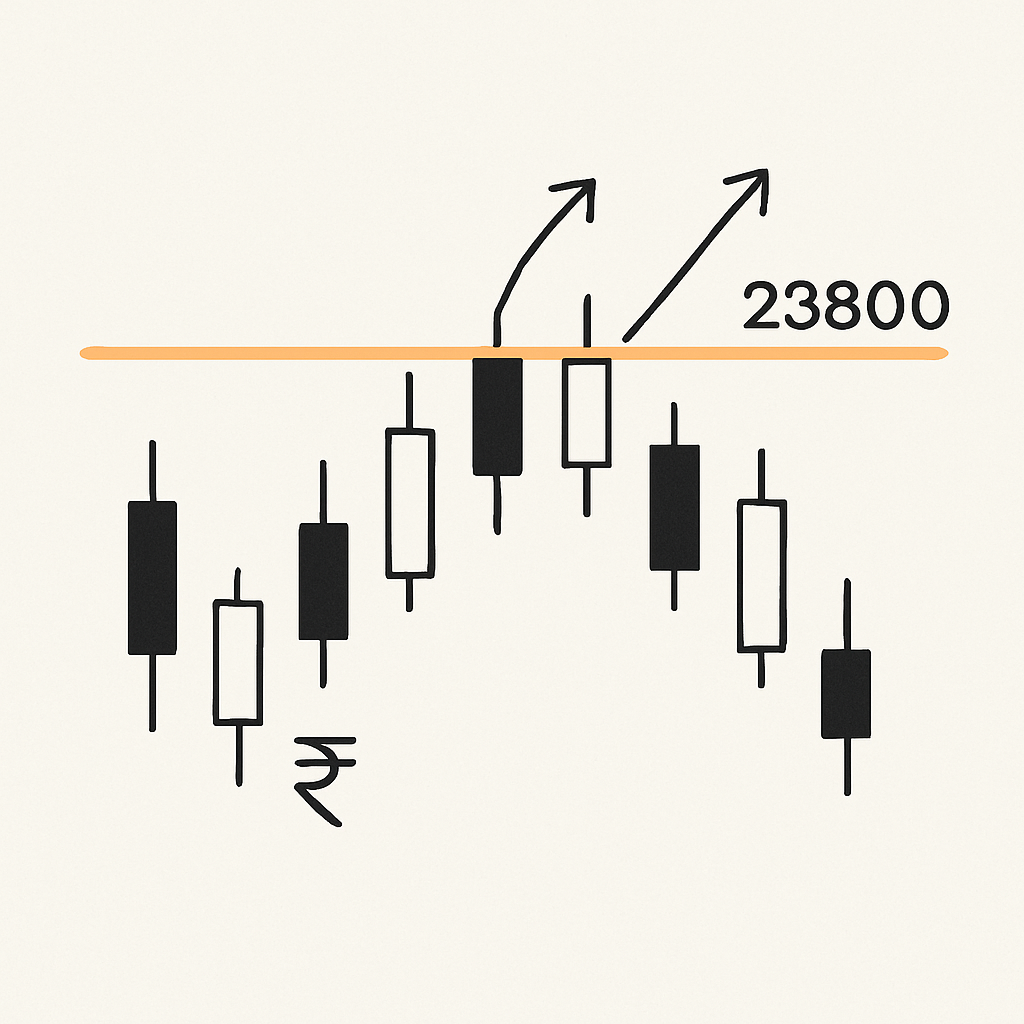
Resistance is a price zone where the market often struggles to move higher. It does not act like a permanent wall, but it can slow momentum when buyers lack conviction. In the Nifty, 23,800 has become a key zone because recent moves have faced pressure there.
A market update on Nifty remaining range-bound near 23,800 says a breakout above this level may confirm a stronger upward trend. The same summary says failure to move higher could limit further gains. That simple idea makes this level central for today’s market plan.
Nifty’s 23,800 resistance level also matters because it influences broader market confidence. If Nifty holds above resistance with strength, Sensex and BSE-listed stocks may also see better sentiment. If the index slips again, traders may prefer caution over fresh risk.
Why a Breakout Could Support Market Gains
A breakout means Nifty moves above resistance and stays there with conviction. Traders usually look for follow-through, not just a quick spike above a round level. A strong close above 23,800 can suggest that buyers have gained more control.
For Indian investors, this can improve sentiment across large-cap stocks and index funds. Mutual funds may not react to every daily move, but investor mood often improves during stronger market phases. SIP investors may feel more confident, though they should consult a financial advisor before changing long-term plans based on one trading session.
A similar update on Nifty resistance at 23,800 also highlights the need for a breakout to confirm strength. This supports the view that the index needs clear buying interest. Without that confirmation, the market may stay stuck in a range.
Why a Failed Move Can Hurt Short-Term Gains
A failed breakout can disappoint traders quickly. When Nifty moves near 23,800 but cannot cross it with strength, some buyers may book profits. Short-term traders may also reduce exposure to avoid sudden losses.
This can affect sectors that have already moved up sharply. Stocks on NSE and BSE may see mixed action, even if the headline index stays almost flat. In such phases, stock selection becomes harder for retail investors.
Nifty’s 23,800 resistance level could therefore make or break short-term gains today. A clean move above it may support more upside if broader participation improves. A weak attempt may keep the market range-bound and reduce fresh buying interest.
The Role of Triggers, Volatility, and Global Cues
Markets rarely break key levels without a trigger. That trigger can come from global cues, foreign investor flows, corporate news, or macro data. In India, RBI policy signals, inflation trends, and repo rate expectations also affect market mood.
A report on Nifty consolidating near 23,800 amid MSCI rebalancing volatility says the index may need a strong trigger to break decisively higher. That fits the current cautious setup. Traders usually want a reason to buy above resistance, not just hope.
Global news can also change local sentiment quickly. If you want broader context, read PocketPlanGuru’s take on Why the US-Iran Peace Deal Sparks Smart Indian Market. Geopolitical calm or stress can influence crude oil, the rupee, and foreign flows.
How Retail Investors Should Read This Level
Retail investors should not treat resistance as a magic number. It works better as a decision zone that helps investors understand market mood. It should not become a reason to take blind trades or make emotional portfolio changes.
If you invest through SIPs, PPF, NPS, or EPF, one Nifty level should not disturb your long-term plan. These products serve different goals, tax needs, and time frames. A daily market move should not decide your retirement plan, emergency fund, or tax-saving strategy under Section 80C.
Short-term traders may watch price action near 23,800 more closely. Long-term investors should focus on asset allocation, income tax planning, and risk control. If you feel unsure, consult a financial advisor before making any investment decision.
Why Range-Bound Markets Test Patience
Range-bound markets can feel boring and stressful at the same time. Prices move up, face resistance, and then drift back into a familiar zone. This pattern can tempt investors to overtrade, especially when headlines sound exciting.
A market note on Nifty remaining range-bound as 23,800 caps upside momentum says Indian equities posted modest gains while resistance limited further upside. This shows why patience matters near important levels. A market can rise slightly and still lack a strong trend.
During such phases, avoid using credit card debt, personal loan funds, or emergency savings for market trades. Borrowed money can increase stress when markets turn choppy. Keep investing money separate from living expenses, insurance needs, and family obligations.
What NSE, SEBI, and RBI Signals Can Add
Indian investors should track trusted sources when market levels become important. The NSE website gives official index and market data. This helps investors avoid rumours from social media groups and unverified market forwards.
SEBI also encourages investors to stay alert and understand risk before investing. You can review investor education material through the SEBI investor portal. This habit becomes useful when markets turn noisy near key levels.
RBI decisions can shape market direction through liquidity, repo rate signals, and inflation commentary. For a related India-focused view, read Why RBI’s Swap Window Unlocks Cheaper Loans Now. Cheaper liquidity can affect home loan rates, corporate borrowing, and investor confidence.
How This Level Affects Different Investor Types
Intraday traders may treat 23,800 as a live action zone. They often look for speed, volume, and follow-through before trusting a move. Even then, they should consult a financial advisor for a suitable trading framework and risk approach.
Swing traders may wait for confirmation above resistance before taking fresh exposure. They may also watch whether Nifty falls back into the previous range after crossing the level. A false breakout can trap buyers and create quick losses.
Long-term investors should avoid panic over one daily level. Nifty’s 23,800 resistance level may affect daily returns, but wealth building needs time and discipline. Asset mix, term insurance, emergency funds, and tax planning usually matter more than one market level.
Why Foreign Flows and the Rupee Matter
Foreign portfolio investor flows can influence large-cap stocks and index direction. When foreign investors buy Indian equities, the market often gains support. When they sell, the pressure can spread across sectors and reduce risk appetite.
The rupee, crude oil, and bond yields can also affect sentiment. If inflation stays sticky, RBI may keep policy tight for longer. That can influence lending rates, home loan EMIs, corporate borrowing costs, and market valuations.
For more context on foreign flows, read PocketPlanGuru’s analysis on RBI’s New FPI Reforms: Impact on Investments & Rupee Stability. Policy changes can shape how overseas money enters Indian markets. This matters when Nifty tries to cross a major resistance zone.
Practical Checklist Before Acting Today
First, check whether Nifty only touched 23,800 or stayed above it with strength. A brief move above resistance may not mean much if the index quickly slips back. Traders often want confirmation before trusting a breakout.
Second, look at market breadth on NSE and BSE. If only a few heavyweights rise, the breakout may lack depth. If many sectors join the move, confidence may improve across the broader market.
Third, review your own money plan before reacting. Your ITR, tax-saving needs, loan EMIs, and family goals should guide your risk level. Consult a financial advisor before changing your portfolio due to short-term market action.
Common Mistakes to Avoid Near 23,800
Do not chase every green candle near resistance. Fast moves can reverse when buyers lose strength. If you trade without a plan, even a good market can hurt you.
Avoid mixing long-term investments with short-term trading emotions. Your SIPs, mutual funds, PPF, NPS, and EPF serve specific goals. Treating them like intraday positions can damage discipline and lead to poor decisions.
Do not ignore risk just because headlines sound positive. Nifty’s 23,800 resistance level can support gains only if the market confirms strength. Until then, stay calm, avoid oversized bets, and consult a financial advisor if you are unsure.
What Could Happen If Nifty Breaks 23,800
If Nifty breaks above 23,800 and holds, traders may see it as a sign of strength. Fresh buying may enter select large-cap and index-linked stocks. Market sentiment can improve if the move gets broad support from multiple sectors.
Still, investors should avoid assuming a straight-line rally. Markets can retest breakout levels before moving higher. A good plan should allow for both gains and pullbacks without forcing emotional decisions.
For retail investors, the best response is balance. Keep your goals, time horizon, and risk profile at the centre of every decision. If you want to act, consult a financial advisor before making portfolio changes.
What Could Happen If Nifty Fails Again
If Nifty fails to cross 23,800, the index may remain range-bound. Short-term traders may reduce risk, and profit booking can appear in recent gainers. This can make the trading day feel choppy and uncertain.
Such a move does not always mean a major fall. It may simply show that the market needs more time or a stronger trigger. Sideways phases often help investors reassess quality, valuation, and portfolio balance.
Long-term investors can use this time to review the basics. Check asset allocation, emergency funds, term insurance, and debt levels. Avoid using market noise as a reason to delay good money habits.
FAQWhy is Nifty’s 23,800 resistance level important today?
Nifty’s 23,800 resistance level matters because recent market updates show resistance capping upside momentum. A breakout may confirm stronger buying interest if the move holds with strength. A failed move may keep the index range-bound and limit short-term gains.
Should I buy stocks if Nifty crosses 23,800?
You should not buy only because Nifty crosses one level. Check your risk profile, goals, cash needs, and holding period first. Consult a financial advisor before making any investment or trading decision.
Does this level affect SIP investors?
SIP investors should not worry too much about one daily level. SIPs work best when investors stay consistent across market cycles. A strong breakout can improve short-term market sentiment, but it should not replace a long-term plan.
Can RBI policy affect Nifty near 23,800?
Yes, RBI policy can affect liquidity, repo rate expectations, and market mood. Inflation commentary can also influence investor confidence and sector performance. These signals matter when Nifty needs a trigger to break resistance.
What should beginners do in a range-bound market?
Beginners should avoid overtrading and focus on learning market basics. They should track official data, manage risk, and avoid borrowed money for trades. For clearer guides, subscribe to PocketPlanGuru and explore our latest personal finance insights.
Disclaimer: The information above is for educational purposes only and does not constitute financial advice.
3 Comments