


Understanding SEBI’s Rs 144 Crore Crackdown: What Happened?
SEBI’s Rs 144 crore stock manipulation crackdown has put market fairness back in focus for Indian investors. Reports said SEBI acted against a large pump-and-dump network involving 221 entities and alleged gains of around ₹144 crore. The ETLegalWorld report on SEBI’s action said the regulator barred the alleged mastermind Hanif Shekh for seven years.
This action sits beside wider regulatory scrutiny of market conduct, including algorithmic trading and social media-led stock promotion. The message for traders on NSE and BSE is clear. Profit cannot justify trades or campaigns that distort prices and damage investor trust.
Details of the Manipulative Practices Identified
Market manipulation can happen in many forms, but the core idea remains the same. Someone creates artificial price or volume movement, then uses that movement to profit. In pump-and-dump cases, operators may push a stock through tips, rumours, or coordinated online excitement before selling after prices rise.
Algorithmic manipulation can look different because it may involve fast trades and complex order patterns. The Oxford Law Blogs analysis of SEBI’s Jane Street action explained that strategies causing measurable distortions to price discovery may breach market conduct rules. This matters because high-frequency trading can place and cancel large numbers of orders in fractions of a second.
Social media adds another risk for small investors. A viral WhatsApp message, Telegram post, Instagram reel, or X thread can create false demand if it is part of a coordinated campaign. A Moneycontrol Instagram post highlighted how SEBI used airline bookings, WhatsApp chats, and food orders in its probe of a pump-and-dump case.
Firms and Individuals Penalized
SEBI has also taken action in a separate case involving Jane Street, a global trading firm. A SteelEye summary of the Jane Street fine described the penalty as $566.3 million. The report also referred to SEBI’s concern that market integrity and small investor faith should not be damaged by untrustworthy conduct.
Domestic accounts came under the scanner in the ₹144 crore pump-and-dump case. These cases show that SEBI is looking at both sophisticated algorithmic activity and coordinated retail-facing schemes. The crackdown reflects a tougher stance against unfair gains that come from misleading the market.
Impact of Stock Manipulation on Your Investment Portfolio
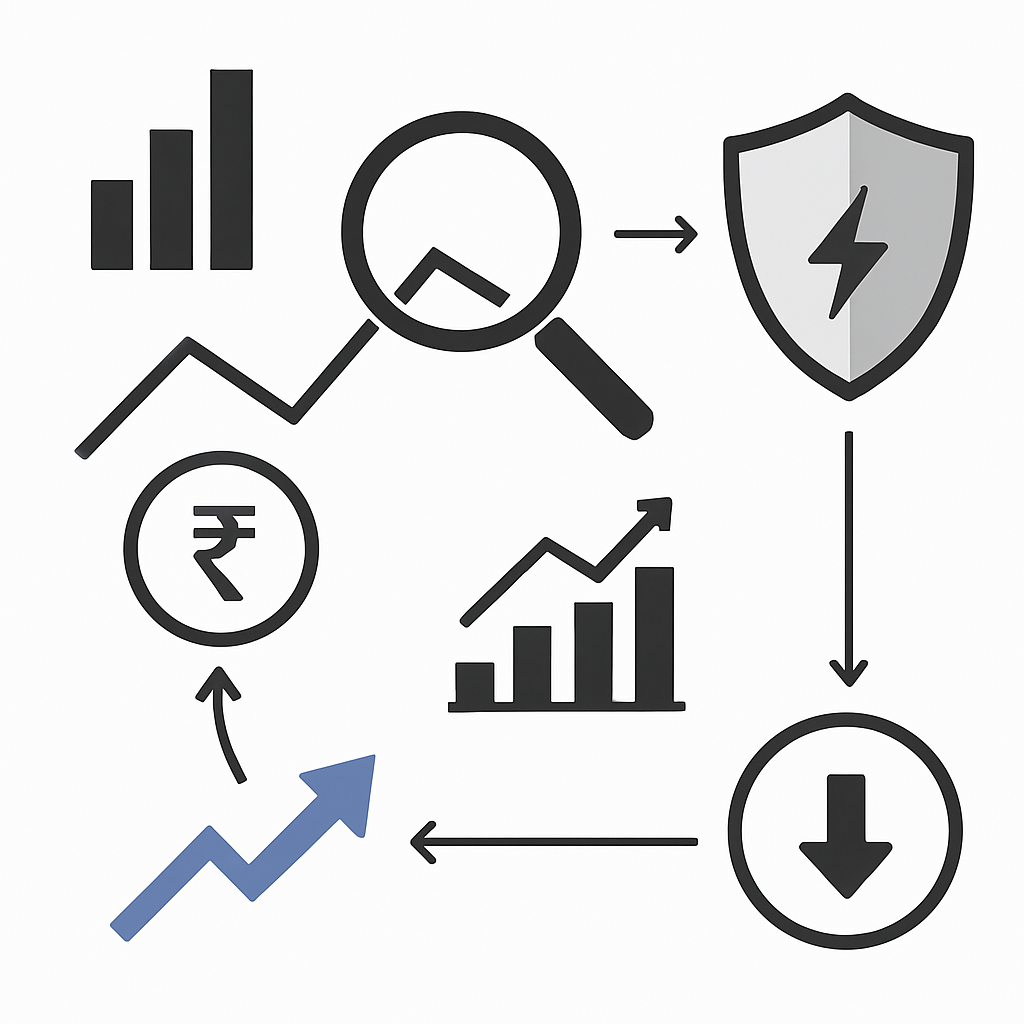
Manipulation can hurt your portfolio even if you do not actively trade small-cap or penny stocks. A false price move can make a stock appear stronger than its business fundamentals justify. Retail investors may enter late while operators exit with gains.
Short-term volatility can also affect your peace of mind. If you hold stocks directly, sudden price swings may tempt you into emotional decisions. For a broader view of market levels, read our guide on why the critical Nifty 24,500 level matters now.
How Manipulated Stocks Affect Retail Investors
Manipulated stocks often show sharp moves without clear business reasons. A company may have no strong earnings update, no major order, and no credible exchange announcement. Yet the stock may jump because of fake volume, repeated tips, or coordinated online promotion.
These moves create false signals for new investors. A small investor may think “smart money” is buying when the activity is actually staged. Losses can follow quickly when the operators sell and the stock falls.
Recognizing Warning Signs of Market Manipulation
Watch for sudden price spikes or drops that have no clear link to company news. Heavy activity around social media rumours should also make you cautious. If a stock becomes the “next multibagger” overnight, verify the facts before acting.
Unusual volumes without official filings can be another red flag. You can cross-check company announcements on the NSE website or through BSE disclosures. Good investing starts with verified information, not forwarded messages.
Steps to Protect Your Investments from Manipulation
Diversification remains one of the simplest safeguards for long-term investors. A portfolio spread across suitable asset classes can reduce the damage from one manipulated stock. Mutual funds, SIPs, PPF, NPS, and EPF may all have a role depending on your goals, risk profile, and time horizon.
Before acting on any stock tip, verify the source and check the company’s fundamentals. If you need guidance based on your income, goals, and risk tolerance, consult a financial advisor. You can also report suspicious activity through SEBI’s official investor complaint channels.
How SEBI’s Crackdown Strengthens Market Trust and Integrity
Markets work best when investors believe prices reflect genuine demand and supply. SEBI’s action aims to enforce this basic promise. Without trust, retail investors may avoid equities and miss a regulated route for long-term wealth creation.
SEBI’s Rs 144 crore stock manipulation crackdown also warns operators that enforcement is becoming sharper. Heavy penalties, trading restrictions, and market bans can deter repeat behaviour. This benefits serious investors who rely on research, discipline, and patience.
Restoring Investor Confidence
Visible regulatory action helps restore confidence among small investors. When SEBI acts against unfair trading, it sends a signal that rules matter. This can help investors feel safer while using regulated brokers and exchanges.
Transparency also improves decision-making. Investors can focus on earnings, cash flows, debt, inflation, repo rate trends, and sector outlooks. For context on broader market confidence, explore our article on why the NSE IPO at ₹5 lakh crore matters now.
Broader Economic Implications of Market Integrity
Healthy markets attract genuine capital from Indian and global investors. Companies can raise funds more efficiently when investors trust the system. Better access to capital can support business growth, jobs, and innovation over time.
Market trust also links to household finance. If families trust regulated markets, they may invest beyond fixed deposits, gold, and real estate in a more balanced way. Over time, stronger markets can support wealth creation along with tax planning under rules such as Section 80C.
Future SEBI Regulatory Framework: Enhanced Surveillance and Compliance
SEBI’s next challenge is to match the speed of modern markets. High-frequency trading, app-based investing, and social media groups can move faster than traditional surveillance methods. The regulator will need stronger technology and faster coordination with exchanges.
The crackdown shows how evidence can come from many sources. Trades, chats, travel details, and digital footprints may all matter in an investigation. This wider lens can make future manipulation harder to hide.
Technological Innovations in Market Monitoring
Real-time pattern analysis can help detect suspicious trades sooner. AI-based tools may flag repeated order placements, artificial volumes, or unusual expiry-day patterns. Integration with NSE and BSE surveillance systems can make detection more effective.
For investors, stronger surveillance may help markets become cleaner over time. Still, no system can remove every risk. Investors should continue using common sense, proper asset allocation, and professional advice when needed.
Social Media and Market Manipulation Controls
SEBI has increased scrutiny of finfluencers and unregistered research analysts. A Reuters report on social media stock manipulation said India’s regulator has been watching social media stock tips more closely. Coordinated misinformation can move prices, especially in low-volume stocks.
Platforms like WhatsApp, Instagram, Telegram, and X can spread both useful education and harmful rumours. Investors must learn to separate public information from paid promotion. If a tip promises guaranteed returns, treat it as a warning sign and verify it independently.
Compliance Expectations and Penalty Enhancements
Brokers, traders, and advisory platforms may face stricter expectations around records and reporting. Audit trails, order logs, and client communication records can become more central to enforcement. Repeat offenders may also face higher penalties and longer market bans where rules permit.
Investor awareness will remain a key part of this shift. SEBI cannot monitor every message in every private group. Your first defence is to verify before you invest and consult a financial advisor when a decision affects your financial plan.
Practical Investor Guidance: Safeguarding Your Investments in a Changing Market
Your best response is not fear, but a better process. Manipulation cases should not make long-term investors abandon regulated markets. They should encourage better verification, diversification, and risk control.
Keep your goals clear before buying any stock or fund. A home loan, child’s education, term insurance, emergency fund, and retirement plan should guide your choices. Market noise should not replace your financial plan.
How to Validate Investment Advice
Check whether the person giving advice is SEBI-registered. You can verify registrations and investor resources on the official SEBI website. Do not rely only on likes, comments, screenshots, or claims of past success.
Look at company fundamentals, exchange filings, and management commentary. Compare any tip with earnings, debt levels, cash flows, and sector trends. If the advice feels unclear or unsuitable for your situation, consult a financial advisor before investing.
Portfolio Management Tips Amid Volatile Markets
Be careful with stocks showing unusual volatility without clear business triggers. Review your holdings regularly, but avoid reacting to every intraday move. Quality businesses with transparent financials usually provide more comfort than rumour-driven trades.
Also watch macro factors such as RBI policy, repo rate changes, inflation, and currency trends. These can affect banks, bonds, credit costs, personal loan rates, and equity valuations. To understand the bond side better, read why smart investors watch India bonds rally now.
Using SEBI’s Tools for Investor Protection
SEBI provides online channels for complaints and investor education. If you suspect manipulation, collect screenshots, trade details, messages, and dates. Clear evidence can help regulators review the issue faster.
Be cautious about adding more money to a stock that falls sharply after a suspicious spike. Emotional trading after sudden losses can make the damage worse. If a loss affects your plan, consult a financial advisor and review your risk limits.
FAQs on SEBI’s Crackdown and Market Safety for Investors
Many retail investors feel confused when they hear terms such as pump-and-dump, HFT, price discovery, and market integrity. These terms sound technical, but the basic idea is simple. The market should reflect genuine buying and selling, not staged activity.
What exactly is market manipulation and how can I spot it?
Market manipulation means someone tries to create artificial price or volume changes. Warning signs include sudden spikes, heavy unexplained volume, and repeated tips without company news. Always verify exchange disclosures before acting on such moves.
How does SEBI’s crackdown affect my existing investments?
The crackdown aims to protect investors from unfair practices. Some stocks may see short-term volatility when enforcement action starts. Over the long term, cleaner markets can support better trust and fairer pricing.
Is high-frequency trading legal under SEBI rules?
High-frequency trading is not illegal by itself under SEBI rules. Problems arise when strategies distort price discovery or create manipulative effects at scale. If you trade derivatives, understand the risks and consult a financial advisor.
How does social media contribute to stock manipulation?
Social media can spread false tips, fake rumours, or coordinated hype very quickly. These messages can influence prices, especially in smaller stocks with low liquidity. Avoid buying only because a stock is trending online.
What should I do if I fall victim to manipulation?
Report suspicious activity through SEBI’s grievance channels and share clear evidence. Avoid rash trades made out of panic, anger, or fear of missing out. Speak to a SEBI-registered advisor if you need help reviewing your portfolio.
Stay Alert, Stay Invested, Stay Protected
SEBI’s Rs 144 crore stock manipulation crackdown is a reminder that market trust needs constant protection. For Indian investors, the lesson is practical and clear. Verify tips, diversify sensibly, and avoid hype-led decisions.
Subscribe to PocketPlanGuru for simple finance explainers written for Indian households. Explore more guides on markets, SIPs, RBI policy, income tax, ITR planning, and long-term investing. Your money deserves calm decisions, trusted sources, and a plan that can survive market noise.
Disclaimer: The information above is for educational purposes only and does not constitute financial advice.
1 Comment