

Understanding Fed Rate Hike Expectations and Indian Investments
Indian investors are facing two moving risks at the same time: Fed rate hike expectations and rising US-Iran tensions. Together, these risks can affect gold, the rupee, oil prices, Nifty, Sensex, bonds, and investor sentiment. The good news is that you do not need to panic if you understand the links clearly and review your portfolio with a qualified financial advisor.
Markets are watching the US Federal Reserve closely after reports said the odds of a September rate hike rose to over 63%, from about 57% a day earlier, as covered by India Today’s report on US-Iran tensions and gold. At the same time, geopolitical stress in West Asia can move crude oil, commodities, and risk appetite. This guide explains what Indian investors should track now without making rushed portfolio decisions.
Why US Interest Rates Matter to Indian Investors
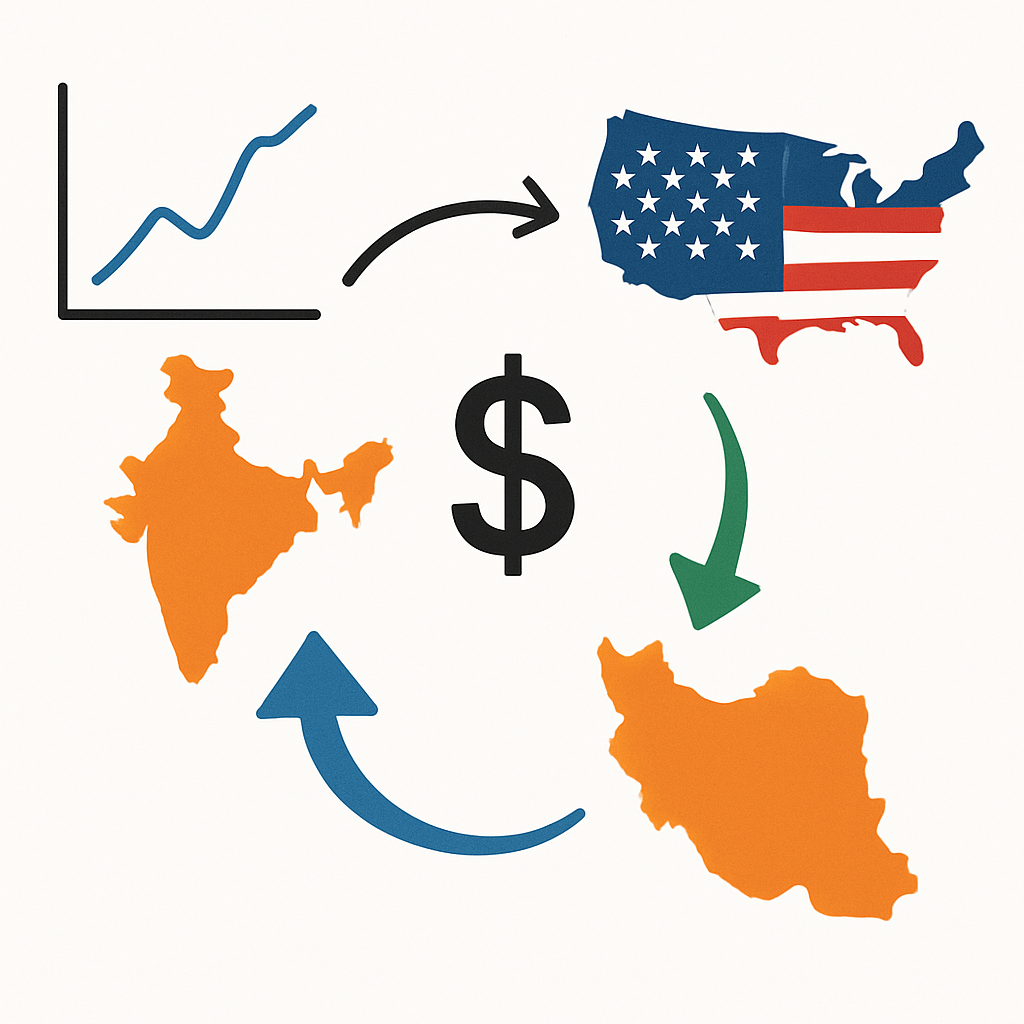
Fed rate hikes matter because US interest rates influence money flows across the world. When US rates rise, global borrowing costs can also move higher. Foreign investors may find US assets more attractive, which can reduce flows into emerging markets like India during volatile phases.
For Indian investors, this can affect equity valuations, bond yields, and the INR-dollar rate. A weaker rupee can make imports costlier and add pressure on inflation. If you hold mutual funds, foreign assets, or stocks listed on BSE and NSE, these changes can show up in your portfolio returns over time.
The US Fed does not set India’s repo rate, but its decisions can still affect RBI’s room to act. If US rates stay high or rise further, RBI may need to watch inflation and currency pressure more closely. This can influence Indian bond yields, home loan rates, personal loan rates, and broader credit conditions.
As explained in Groww’s note on how US Fed rate changes affect Indian markets, short-term foreign investors may step back when volatility rises and the rupee weakens. That can create selling pressure in Indian equities for a while. Long-term investors may react differently, but near-term swings can still feel sharp.
Gold and Fixed Income During Higher Rate Expectations
Gold does not pay interest or regular income, so higher US rates can reduce its appeal in the short term. This is why gold may not always rise during geopolitical tension if markets expect tighter Fed policy. Fed rate hike expectations and rising US-Iran tensions can therefore pull gold in opposite directions.
Indian fixed income may also adjust as bond yields react to global and local signals. Debt mutual funds, EPF, PPF, NPS, and bank deposits do not move in the same way, so investors should not treat them as one basket. If you are reviewing debt exposure, consult a financial advisor and read our related guide on why smart investors watch India bonds rally now for context on bond market moves.
Geopolitical Risks From US-Iran Tensions
US-Iran tensions matter to India because West Asia is closely linked to crude oil supply and global risk sentiment. Any escalation can push traders to price in higher commodity risk. That can affect energy costs, transport costs, inflation, and investor confidence.
Indian equities may see sector-wise pressure when geopolitical headlines turn intense. Nifty and Sensex can react quickly because large investors adjust risk across markets. The cited video by Akshat Shrivastava on war impact on Indian and US stock markets discusses how isolated war shocks have often led to short-term declines followed by recoveries, though every situation can play out differently.
How Geopolitics Influence the Indian Stock Market
Geopolitical stress can make energy, defence, aviation, paints, chemicals, and logistics more volatile. Some companies may benefit from changing demand patterns, while others may face pressure from rising input costs. Investors should avoid simple one-line calls and consult a financial advisor before changing allocations.
Short-term equity corrections can happen when fear rises faster than earnings expectations. Traders may reduce leverage, while long-term SIP investors should review choices based on their goals, risk tolerance, and advisor guidance. If you track smaller companies, also read why India’s smallcap stocks are rallying now to understand how risk appetite can shift across market segments.
Commodity Price Shocks and Inflation Concerns
Oil is the key commodity to watch because India imports a large part of its crude needs. A spike in crude can raise fuel costs and widen inflation pressure. It can also add stress to the fiscal position if the government chooses relief measures for households or businesses.
A stronger dollar and higher oil prices can both hurt the rupee. INR depreciation can make imported goods costlier, which may affect household budgets and business margins. This matters for investors because inflation can change RBI’s policy tone and corporate profit outlook.
When Fed Hike Expectations Meet US-Iran Tensions
Fed rate hike expectations and rising US-Iran tensions create a tougher mix than either risk alone. Higher US rates can pull money toward dollar assets, while geopolitical fear can reduce appetite for emerging markets. Together, they can make the rupee, bonds, equities, and commodities more unpredictable.
This does not mean every asset will fall at the same time. Gold may get support from fear but face pressure from higher rates. Equities may fall on risk aversion but recover if earnings remain stable and the conflict does not spread.
Amplified Volatility Across Equities, Bonds, and Commodities
Dual shocks can reduce market liquidity when foreign investors cut exposure quickly. This can widen intraday swings in Nifty, Bank Nifty, and sector indices. Investors should avoid emotional decisions and consult a financial advisor before making major portfolio changes.
Commodity-driven inflation can also influence interest rate policy in India. If inflation risks rise, RBI may act with caution on the repo rate. Investors should follow official updates through the Reserve Bank of India instead of relying only on social media posts.
Exchange Rate Risks and Foreign Investment Flows
When US yields look attractive, some foreign money can move away from Indian equities and debt. This can increase pressure on the rupee, especially if oil prices also rise. A weaker INR may hurt import-heavy firms but help some export-focused companies.
Currency risk is important for investors with overseas funds, foreign travel goals, or dollar-linked education expenses. Hedging may help in some situations, but it is not suitable for everyone. Speak with a qualified financial advisor before using currency futures, ETFs, or complex products.
How Indian Authorities Might Respond
Indian authorities have several tools to manage external shocks. RBI can use policy signals, liquidity tools, and forex market actions to reduce disorderly currency moves. The government can also review taxes, subsidies, and import-related steps if commodity pressure rises.
These actions do not remove market risk, but they can soften extreme moves. Investors should track policy updates calmly and avoid treating every announcement as a buy or sell signal. Official sources matter more during fast-moving geopolitical events.
Potential RBI Strategies During Global Stress
RBI may balance growth, inflation, and currency stability when global conditions tighten. If inflation rises due to oil or a weaker rupee, RBI may take a more careful stance. The repo rate path can affect EMIs, deposits, debt funds, and business borrowing costs.
RBI may also intervene in currency markets to reduce sharp INR moves. Such actions aim to manage volatility, not fix a permanent exchange rate. Investors can follow policy reviews and speeches directly on the RBI website for cleaner information.
Government Measures to Manage Economic Impact
The government may consider targeted steps if fuel prices create stress for households or businesses. These can include tax adjustments, targeted relief, or closer commodity monitoring. Any such move must also protect fiscal discipline because public finances influence investor confidence.
For Indian families, this is a useful time to review cash flows and avoid unnecessary borrowing. A high credit card balance or costly personal loan can hurt more when uncertainty rises. If your broader financial plan also includes tax filing, our guide on how to file your ITR online can help you stay organised.
Practical Portfolio Steps for Indian Investors
The best response is not panic, but preparation. Diversification across equities, fixed income, gold, and cash can reduce stress during uncertain periods. Investors should match asset choices with goals, risk tolerance, time horizon, and professional guidance.
Fed rate hike expectations and rising US-Iran tensions make portfolio discipline more valuable. SIPs, debt exposure, gold allocation, and foreign investments should be reviewed in the context of your full financial plan. Do not make concentrated bets on gold, oil, defence, or currency moves without consulting a financial advisor.
Rebalancing Equities, Gold, Bonds, and Foreign Assets
Rebalancing means bringing your portfolio back to its planned mix. If one asset has grown too large, you may review it with a financial advisor. If equity exposure feels too high for your comfort, the answer may be risk assessment rather than a sudden exit.
Gold can work as a long-term hedge, but higher US rates can reduce its short-term appeal. Fixed income can provide stability, though bond prices can move when yields change. Foreign assets can add diversification, but they also carry currency and tax considerations under Indian income tax rules.
Managing Currency and Inflation Risks
Retail investors should be careful with market timing because headlines change fast. Hedging tools like INR-USD futures may help some investors, but they need knowledge and risk control. ETFs or hedged mutual fund options may suit some cases, but investors should consult a financial advisor before using them.
Inflation protection can come from a mix of assets, not one magic product. PPF, EPF, NPS, and Section 80C investments can support long-term planning, but they are not short-term trading tools. Term insurance is also vital because protection should come before market risk-taking.
Key Indicators Indian Investors Should Monitor
Investors should track Fed statements, rate hike probabilities, US-Iran diplomatic signals, crude oil prices, and INR movement. NSE and BSE market data can help you see how Indian indices react. SEBI alerts can also help you avoid rumours, fraud, and market manipulation risks.
You can follow official market updates through the NSE website and investor education material from SEBI. These sources help you separate facts from noise. In uncertain markets, clean information is a real advantage.
Fed and Geopolitical News to Watch
Fed minutes, speeches, and rate expectations can move global markets quickly. India Today reported that investors were waiting for Fed minutes from the June 16-17 meeting for clues on rates under Chair Kevin Warsh. Such updates can affect gold, bonds, the dollar, and emerging market flows.
On geopolitics, watch for escalation or de-escalation signals rather than dramatic headlines alone. Oil supply routes, diplomatic talks, sanctions, and military actions can all shape market reactions. Fed rate hike expectations and rising US-Iran tensions should be tracked together, not in isolation.
Local Economic Signals and Regulatory Alerts
In India, watch RBI monetary policy reviews, inflation data, crude price trends, and government comments on fuel prices. Also track FII flows, bond yields, and INR-dollar movement. These indicators can show whether pressure is easing or building.
SEBI and exchange alerts are useful when market rumours increase. During volatile phases, fake tips and aggressive social media calls often rise. Stick to regulated platforms, verified data, and a written financial plan.
Frequently Asked Questions
Many Indian investors are asking similar questions because these risks feel complex. The answers below are general and educational. For personal portfolio changes, consult a qualified financial advisor.
How will Fed rate hikes impact my gold investments?
Higher US rates can reduce gold’s appeal in the short term because gold does not generate regular income. At the same time, geopolitical tension can support gold as a hedge. This is why gold may move unevenly when rate fears and war fears appear together.
Should I expect INR depreciation due to US-Iran tensions?
The rupee can face pressure if oil prices rise and the dollar strengthens. Fed rate hike expectations and rising US-Iran tensions can add to that pressure. If you have dollar-linked needs, discuss hedging options with a financial advisor.
Which equity sectors should Indian investors avoid now?
Avoid making blanket sector exits based only on headlines. Energy, defence-linked businesses, aviation, paints, chemicals, and logistics can become more volatile during geopolitical stress. Review overexposure to sensitive sectors and consult a financial advisor before making changes.
How can I hedge currency risk effectively in India?
Some investors use INR-USD futures, ETFs, or mutual funds with currency features. These products carry risks and may not suit every retail investor. Use them only after understanding costs, tax impact, and your goal timeline with professional guidance.
What role can RBI play if market volatility worsens?
RBI can use monetary policy, liquidity tools, and forex interventions to manage stress. It may also signal caution if inflation pressure rises due to oil or currency moves. Investors should follow RBI updates instead of reacting to rumours.
Final Takeaway for Indian Investors
Fed rate hike expectations and rising US-Iran tensions are serious, but they do not call for panic. They call for diversification, clean information, and steady planning. A balanced mix of assets can help you handle volatility better than emotional trading.
Stay informed, diversify wisely, and consult financial advisors before changing your portfolio. Review your SIPs, debt exposure, insurance, taxes, and emergency fund with care. Subscribe to PocketPlanGuru and explore more practical money guides to stay prepared in changing markets.
Disclaimer: The information above is for educational purposes only and does not constitute financial advice.
5 Comments