


Overview of Axis and Kotak’s Overseas Transaction Fee Hikes
Axis Bank and Kotak Mahindra Bank’s overseas card charges can raise the cost of holidays, foreign ATM withdrawals, and online purchases from international merchants. Foreign transaction fees are charges applied when you use an Indian card outside India or with a merchant based abroad. Axis Bank explains this through its guide on foreign transaction fee on credit cards, while Kotak says international transaction charges are usually applied as a percentage of the transaction value.
The Axis and Kotak overseas card fee hikes matter because small percentages can become meaningful when spending is repeated across hotels, food, shopping, rides, tours, and subscriptions. Across Indian cards, these charges commonly fall in the 1% to 3.55% range, depending on the card variant and transaction type. Cardholders should now pay closer attention to forex markup, GST, dynamic currency conversion, ATM charges, and the exact wording in the latest card terms.
Axis Bank’s Foreign Transaction Fee Structure
Axis cardholders should check their card’s Most Important Terms and Conditions before making overseas spends. The available research shows that Axis-related overseas charges can go up to 3.55%, depending on the card and transaction type. Axis also highlights that international ecommerce purchases, foreign ATM use, and services billed by overseas companies can attract foreign transaction fees.
The fee may apply when the transaction involves currency conversion or foreign processing. This can include a hotel swipe in Singapore, a USD software subscription, or shopping on a foreign website while sitting in India. Axis users should verify the latest fee, effective date, GST treatment, and exclusions for their exact card variant through the bank’s official schedule.
Kotak Mahindra Bank’s Fee Details
Kotak’s guide on saving on credit card foreign transaction charges says these charges are levied on transactions made outside India. It places common international transaction charges in the 1.99% to 3.55% range. The final cost can vary based on the card, network, merchant location, currency, and whether extra conversion layers are involved.
Kotak cardholders should also understand dynamic currency conversion, often called DCC. DCC can appear at a foreign ATM, POS terminal, or international website when you are asked to pay in Indian rupees instead of the local currency. Paying in INR abroad may look convenient, but it can create an additional conversion cost separate from the standard forex markup.
What These Fee Hikes Mean for Your Holiday Spending
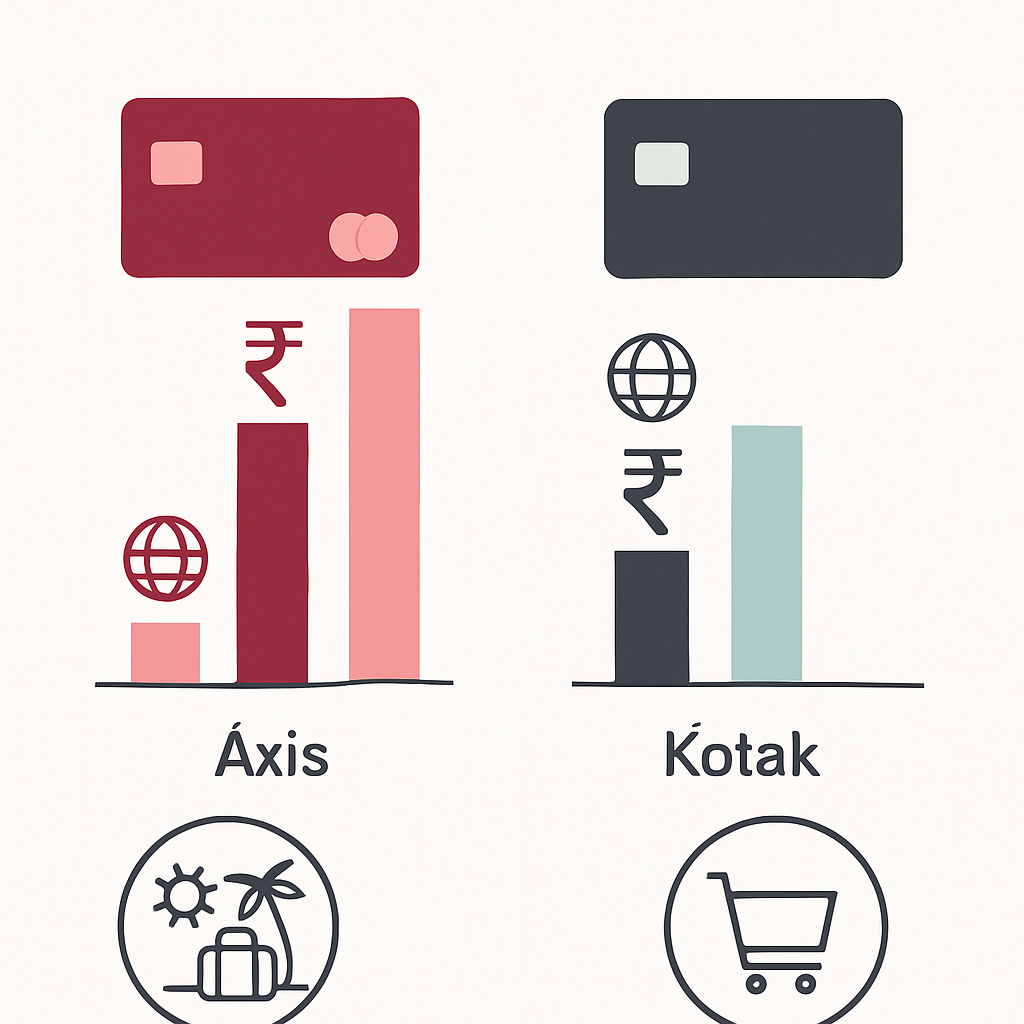
Holiday spending is often fast, emotional, and unplanned. You may pay for airport food, cabs, local transport, museum tickets, hotel deposits, shopping, and emergency purchases within the same day. The Axis and Kotak overseas card fee hikes can make each of these swipes cost more than the price displayed by the merchant.
Indian travellers already manage airfares, visa costs, travel insurance, hotel rates, and changing exchange rates. If the rupee weakens, the converted rupee value of your foreign bill rises before bank charges are even added. For more context on currency pressure at home, read our guide on why rising oil prices and rupee movement impact your budget.
Calculating Additional Costs on a $100 Overseas Purchase
Let us use the Axis example format with a simple USD purchase. If 1 USD equals ₹84, a $100 transaction converts to ₹8,400 before charges. At a 3% foreign transaction fee, the added cost is ₹252 before considering GST or any other bank-specific charges.
This means your ₹8,400 purchase may show a higher final debit on the card statement. If another card charged 1.99%, the fee on the same purchase would be about ₹167 before GST or other applicable costs. The difference may look small once, but it grows across hotels, tours, meals, local shopping, and multiple family members’ expenses.
Effect on ATM Withdrawals and Travel Expenses
Foreign ATM withdrawals can become especially costly when done with a credit card. Axis notes that using a credit card at foreign ATMs can trigger a foreign transaction fee, along with ATM-related charges. Cash advance fees and interest may also apply depending on the card terms, so ATM use should be checked carefully before travel.
Travellers can reduce surprises by planning a small cash buffer before daily outings. A debit card, prepaid forex card, or travel card may be cheaper for some uses, but the fee schedule must be checked first. Credit cards are usually better reserved for planned swipes, hotel guarantees, larger purchases, and emergencies where card protection is useful.
Impact on Online International Shopping from India
Many Indians assume foreign transaction fees apply only during overseas travel. That is not correct. Buying from international ecommerce sites, paying overseas subscriptions, or using software services billed by foreign companies can also trigger these charges.
Axis says purchases from international ecommerce sites may incur fees because of currency conversion and processing. This matters for students, freelancers, gamers, creators, small businesses, and families paying for apps, cloud tools, courses, or global subscriptions. A cheaper international deal may become less attractive after forex markup, GST, delivery charges, customs duties, or platform fees are added.
Major International Sites and Services That May Be Impacted
Common examples include global ecommerce stores, international marketplaces, overseas software platforms, and some app-based services. Streaming or app subscriptions may also attract foreign transaction fees if the billing entity is outside India or the payment is processed internationally. Axis specifically refers to services billed by companies outside India, including streaming or software, as possible cases.
Netflix, Spotify, gaming platforms, cloud services, and software tools may have different billing arrangements depending on the country, currency, and payment page. If the merchant processes your payment outside India, the issuer may treat it as an international transaction even if you are physically in India. Always check the payment page, invoice currency, merchant name, and first card statement after renewal.
Example of Fee Impact on ₹10,000 Overseas Online Shopping
Suppose you buy goods worth ₹10,000 from an overseas site. A 3% foreign transaction fee adds ₹300 before GST or other applicable charges. If you make five similar purchases, the extra cost can move toward ₹1,500 before taxes and other costs are considered.
These small leaks can disturb a monthly budget as much as other avoidable banking fees. They can also reduce money available for insurance premiums, emergency savings, or planned investments. If you are considering changes to SIPs, PPF, NPS, EPF, mutual funds, or Section 80C planning to manage travel expenses, consult a financial advisor.
Smart Strategies to Minimize Overseas Transaction Fees
The easiest way to save is to choose the right payment method before travel or before making a large foreign purchase. Some premium cards may waive, reduce, refund, or offer lower forex markup, but these benefits vary by card and can change. A traveller-focused card may work better than a rewards card designed mainly for domestic shopping.
Compare overseas costs with the same care you use for income tax, ITR filing, insurance renewals, or loan processing charges. Do not look only at reward points, airport lounge access, joining fee waivers, or annual fee waivers. A high forex markup can wipe out rewards during one family holiday or a few large international online purchases.
Cards and Options to Review Before Overseas Spending
Premium Indian cards may offer lower forex fees, refunds on foreign markup, or better reward value on international transactions. Public discussions often mention select premium cards from large banks as options worth reviewing, but card benefits change often. Always check the official card page, latest tariff sheet, reward exclusions, and customer communication before applying or using a card abroad.
Axis and Kotak may both have card variants with different overseas cost structures. Ask the bank about forex markup, DCC charges, GST treatment, ATM withdrawal costs, reward eligibility, and any special exclusions for international spends. If a card is linked to wealth products, deposits, portfolio services, or insurance commitments, consult a financial advisor before making an investment-linked decision.
Using Local Currency and Payment Methods to Save
When a foreign POS machine asks whether you want to pay in INR or local currency, choosing local currency is usually the safer option. This can help you avoid dynamic currency conversion and reduce the chance of double conversion costs. A travel tip shared on avoiding extra charges on Indian credit cards abroad also highlights the local currency choice.
Paying in local currency does not remove the standard forex markup charged by every card issuer. It only helps you avoid an extra DCC layer that may be applied when you accept INR at a foreign terminal or website. Prepaid forex cards may also help because they can show or lock rates more clearly before travel, but their issuance, reload, inactivity, and withdrawal charges should be reviewed.
Fintech and Digital Payment Options Reducing Forex Costs
Digital wallets, prepaid forex apps, and multi-currency tools can help you compare rates before paying. Some global wallets and international payment platforms may offer useful options for online purchases or travel payments. Indian users must still check RBI rules, KYC requirements, transaction limits, permitted use cases, and refund support before relying on them.
Do not use informal channels only because they look cheaper. Safety, dispute handling, chargeback support, and customer service matter during foreign travel and cross-border online purchases. For NRIs and dollar planning, you can also read our explainer on why smart NRIs consider FCNR(B) deposits.
How to Monitor and Manage Foreign Transaction Fees Effectively
Good tracking starts before the first swipe. Save your card fee schedule, customer care number, bank app access, and email login details before leaving India. Enable SMS, email, and app alerts for every international transaction so you can spot unusual charges quickly.
Exchange rates can move due to crude oil prices, global risk, inflation expectations, and RBI policy signals. Nifty and Sensex investors watch these factors because they can affect the rupee and market mood. For travellers and online shoppers, the same rupee movement changes hotel bills, food costs, shopping expenses, and subscription values.
Understanding and Reading Your Card Statement
Your card statement may show the merchant amount, converted rupee value, forex markup, and GST. Look for terms such as foreign currency markup, international transaction fee, currency conversion charge, or similar wording. If you chose INR abroad, also check whether a DCC-related cost appears directly or is embedded in the conversion rate.
Different transaction types may carry different charges. ATM withdrawals, POS swipes, ecommerce spends, recurring subscriptions, hotel deposits, and refunds can appear differently on the statement. Keep receipts, screenshots, and invoices until your card statement matches the billed amount and any refund has fully settled.
Tools and Apps to Monitor Exchange Rates and Fees
You can use bank apps, card apps, and forex rate trackers before making large purchases. RBI reference material and public exchange data can help you understand broad currency movement. The Reserve Bank of India website is also useful for consumer updates, banking information, and regulatory announcements.
Market watchers may follow NSE and BSE updates, but card conversion rates can still differ from the public market rate. Card networks apply their own conversion process, and banks add markup as per card terms. Set daily spending alerts so one expensive travel day or subscription renewal does not disrupt your monthly budget.
Regulatory Context for Foreign Exchange Charges
RBI focuses on transparency, fair banking conduct, and grievance redressal for consumers. Banks are expected to disclose key charges through card terms, tariff sheets, statements, and customer communication. Cardholders should not assume a universal cap on foreign transaction fees unless their own bank terms clearly state one.
Foreign exchange charges on cards are different from stock market charges regulated by SEBI. If you trade on NSE or BSE, SEBI rules guide market conduct and investor protection. For card fees, overseas transactions, billing disputes, and banking grievances, RBI guidance and the bank’s own disclosures matter more.
RBI-Linked Disclosure and Customer Protection Points
Cardholders should check the Most Important Terms and Conditions, official tariff sheet, and bank notifications before using a card overseas. If a charge surprises you, ask the bank to show the clause used for that transaction. This is especially useful when the dispute involves DCC, ATM use, recurring billing, or a merchant that appeared domestic but processed the payment internationally.
You can also track broader consumer protection updates through SEBI for securities matters and RBI for banking matters. This helps you separate investment rules from card rules. For a related investor-protection read, explore our article on what SEBI’s fast-track transmission changes mean for your family.
Filing Complaints for Unauthorized or Excessive Fees
Start by raising a dispute with your bank through official customer care, internet banking, mobile app support, or email. Attach receipts, screenshots, card statements, merchant invoices, and any proof showing whether you paid in local currency or INR. Also mention the date, merchant name, transaction currency, amount, and the fee line you are questioning.
If the bank does not resolve the issue within the stated timeline, use the RBI complaint route. The RBI complaint portal guidance explains how customers can escalate banking grievances. Keep all complaint numbers, emails, screenshots, and final responses safely until the case closes.
FAQs on Axis and Kotak Overseas Card Fee Hikes
The Axis and Kotak overseas card fee hikes have created practical doubts for travellers and online buyers. The answers below cover the most common situations involving foreign swipes, international websites, subscriptions, and DCC. Always check your latest card terms because banks update charges, benefits, exclusions, and taxes from time to time.
What is the foreign transaction fee percentage for Axis and Kotak cards?
Axis overseas charges can go up to 3.55% depending on the card and transaction type. Kotak’s own guide places common international transaction charges in the 1.99% to 3.55% range. Your exact cost depends on the card variant, network, merchant, currency, ATM use, GST treatment, and whether dynamic currency conversion applies.
Are premium Axis or Kotak cards exempt from these fees?
Some premium cards may waive, reduce, or refund foreign transaction fees. This benefit is not automatic across all Axis or Kotak cards. Read the latest card schedule before booking flights, paying hotels, buying overseas experiences, or making high-value international purchases.
Can paying in local currency instead of INR save money?
Paying in local currency can help you avoid dynamic currency conversion and possible double conversion costs. It does not always remove the standard forex markup charged by your card issuer. Even so, choosing local currency is usually safer than accepting INR at a foreign POS machine, ATM, or checkout page.
Do these fees apply to international subscriptions?
They can apply if the merchant bills you from outside India or processes payment in foreign currency. Axis mentions services billed by companies outside India, including streaming or software, as possible cases. Check your first statement after subscription renewal to confirm how the issuer treated the transaction.
What alternatives can reduce high foreign transaction fees?
You can compare prepaid forex cards, low-markup premium credit cards, debit cards, and compliant digital wallet options. Plan cash needs carefully, avoid frequent foreign ATM withdrawals, and choose local currency while paying abroad. Before changing investments, savings products, or insurance plans to fund travel or offset card costs, consult a financial advisor.
Final Takeaway for Indian Cardholders
The Axis and Kotak overseas card fee hikes are not just bank fine print. They can affect a Europe tour, Dubai shopping trip, US university payment, global ecommerce order, overseas software subscription, or emergency foreign ATM withdrawal. A few minutes spent checking card terms can save real rupees and reduce statement shock later.
Review your Axis and Kotak cards before your next holiday or international online purchase. Compare forex markup, DCC charges, GST, ATM fees, reward exclusions, and premium-card benefits before deciding how to pay. Subscribe to PocketPlanGuru for simple Indian finance explainers, card fee updates, and practical money tips that help you plan better.
Disclaimer: The information above is for educational purposes only and does not constitute financial advice.
4 Comments