


What is an ECB loan and why Axis Bank’s funding move matters
Axis Bank’s reported $700 million External Commercial Borrowing, or ECB, is a foreign-currency funding move that can influence the bank’s cost of funds over time. An ECB is a loan raised from overseas lenders, usually in a foreign currency such as the US dollar, under India’s external borrowing framework. For customers and investors, the key point is that cheaper or more diversified funding can affect loan pricing, deposit competition, profitability, and risk management, though the impact is rarely immediate.
Axis Bank already participates in ECB-linked financing and treasury services, and its official page explains External Commercial Borrowings and related support for business finance under compliance requirements. Publicly available references also mention a USD 505 million ECB financing through a five-year facility, showing the bank’s access to global capital. Separately, the IFC has announced a US$500 million climate loan partnership with Axis Bank, which is linked to green projects and blue finance in India.
How ECB borrowing works in Indian banking
ECB borrowing in India is governed by rules on eligible borrowers, maturity, pricing, reporting, and permitted end use. The Reserve Bank of India sets the wider regulatory framework, and banks must manage foreign exchange exposure carefully when raising overseas funds. These rules are designed to prevent excessive currency risk while allowing Indian institutions to access global pools of capital.
The economics of an ECB depend on international interest rates, lender spreads, hedging costs, and currency movements. A dollar loan may look cheaper than rupee borrowing at first glance, but the final cost can rise if hedging is expensive or if the rupee weakens. This is why customers should avoid assuming that every overseas borrowing deal will automatically reduce their EMI or improve their deposit return.
What is known about Axis Bank’s funding structure
The available research points to Axis Bank using foreign currency funding as part of a wider strategy to diversify borrowing sources and support specific lending portfolios. The Early Warning System project listing refers to a proposed senior unsecured loan of up to US$500 million to Axis Bank, with proceeds intended to support green and blue finance portfolios, as shown in the project details. The IFC announcement also says the loan is intended to help develop India’s blue finance market and scale up financing for green projects.
These details matter because the purpose of funding affects how the money can be deployed. If the borrowing supports specific portfolios, the effect on retail products such as home loans, personal loans, and fixed deposits may be indirect. Investors may still track the development because lower-cost funding, if managed well, can support net interest margins, credit growth, and profitability.
How the ECB loan can affect your banking costs
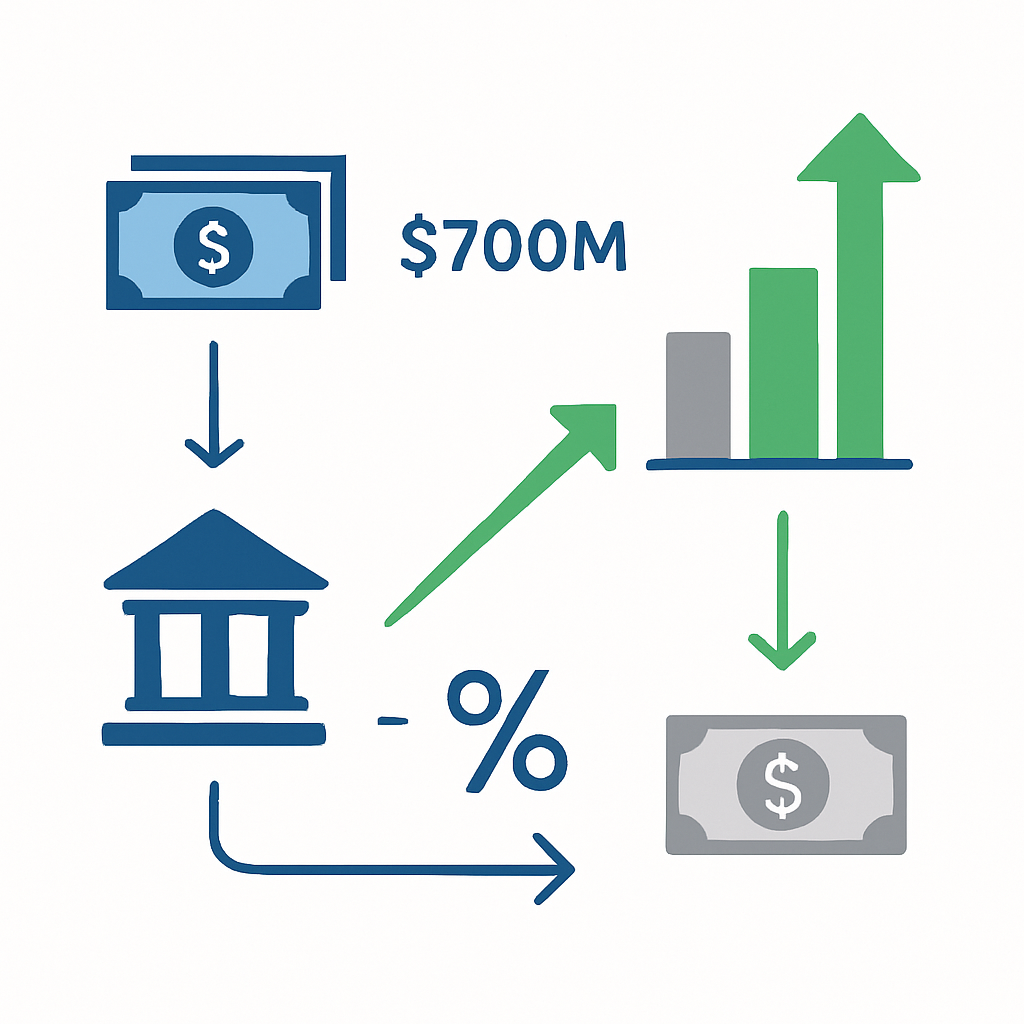
Axis Bank earns a large part of its income from the spread between what it pays for funds and what it earns on loans and investments. A lower average cost of funds can give the bank more flexibility in pricing loans, managing margins, and competing for customers. However, the actual benefit depends on the all-in cost after hedging, compliance, and market conditions.
Retail customers may see any impact through loan offers, balance transfer campaigns, processing fees, or deposit rate adjustments. Banks do not normally reprice every product just because one funding transaction is completed. If you are comparing EMIs, also review factors such as credit score, income stability, loan tenure, and total charges, as explained in PocketPlanGuru’s guide on why rising vehicle loans matter for EMI and credit health.
Impact on home loans, personal loans, and credit cards
Cheaper overseas borrowing can give Axis Bank more room to compete in selected loan categories. The bank may use that flexibility through promotional spreads, lower processing charges, or sharper offers for creditworthy borrowers. The benefit is more likely to appear in competitive products than in high-risk categories where pricing depends heavily on borrower behaviour.
Floating-rate home loans are still strongly influenced by RBI policy and external benchmark movements. If the repo rate changes, borrower EMIs can move even if a bank’s foreign funding cost improves. Credit card interest rates may be less sensitive because card pricing is driven by repayment risk, unsecured credit exposure, and customer usage patterns.
Effect on fixed deposits and savings accounts
If a bank has access to diversified funding, it may not need to raise deposits as aggressively in every tenure. That can reduce pressure to offer higher fixed deposit rates, especially if overall liquidity is comfortable. The effect may be uneven because banks adjust deposit rates based on internal needs, competition, and broader interest rate trends.
Depositors should compare Axis Bank FD rates with alternatives such as PPF, EPF, NPS, government securities, and debt mutual funds where suitable. The right choice depends on liquidity needs, tax treatment, risk tolerance, and investment horizon. Before making changes to tax-linked or retirement-focused products, consult a financial advisor.
Risks of ECB borrowing for customers and investors
ECB borrowing can strengthen funding flexibility, but it also introduces currency and interest rate risk. Axis Bank earns largely in rupees, while foreign currency borrowing must be serviced in the borrowed currency or hedged appropriately. If the rupee depreciates sharply, the rupee cost of repayment can rise unless risk management is effective.
Global interest rates can also affect the value of overseas borrowing. If US rates remain high or lender spreads widen, the cost advantage may narrow. Investors tracking Axis Bank on the BSE or NSE should consider funding cost, loan growth, deposit mobilisation, asset quality, and credit costs together rather than focusing on one headline.
Foreign exchange risk and hedging costs
Currency risk is one of the most important factors in ECB economics. When the rupee weakens against the US dollar, the rupee value of a dollar liability increases. Banks usually hedge foreign currency exposure, but hedging itself has a cost that can reduce the apparent saving from overseas borrowing.
This means the headline interest rate on an ECB is not the same as the final economic cost. A deal that appears cheap before hedging may become less attractive after currency protection and compliance expenses. For borrowers, this is a reminder to compare actual loan terms rather than assuming that bank funding news will translate into lower EMIs.
RBI rules and regulatory safeguards
RBI’s ECB framework sets conditions for borrowing, maturity, reporting, pricing, and end use. These safeguards help prevent unmanaged foreign currency exposure from building up in the financial system. They also ensure that overseas borrowings are used within permitted boundaries.
Regulation reduces certain risks, but it does not eliminate market risk. A bank must still manage currency volatility, liquidity, and interest rate changes after raising foreign currency funds. For investors, RBI oversight is positive, but quarterly disclosures and management commentary remain essential for understanding the real impact.
Impact on Axis Bank’s investment products and wealth offerings
Axis Bank’s funding strategy can matter to shareholders, bond investors, and customers using wealth products. A stronger funding mix can support profitability if the bank manages asset quality and currency risk well. A market post discussing Axis Bank dollar bonds and management outlook also highlights why investors watch loan growth, deposit mobilisation, and credit costs.
For retail investors, the effect on products is usually indirect. Mutual funds, wealth products, and fixed deposits respond to market yields, SEBI rules, liquidity, fees, and competition. Treat the ECB development as one input in your research, and consult a financial advisor before making portfolio decisions.
Effects on mutual funds and fixed deposits
Mutual fund returns do not rise simply because a bank raises overseas funds. Debt fund performance depends on bond yields, credit quality, duration, expense ratios, and interest rate expectations. Equity mutual funds depend more on earnings growth, valuations, sector trends, and market sentiment.
Fixed deposits may react more directly because banks set FD rates based on funding needs and competitive pressures. If foreign currency funding reduces the need for expensive deposits, some FD tenures may become less attractive over time. Before moving money, compare post-tax returns, liquidity, risk, and reporting requirements, and consult a financial advisor for personalised planning.
What customers should monitor in product updates
Customers should watch Axis Bank’s loan rate cards, fixed deposit pages, fee schedules, and quarterly results. Important indicators include net interest margin, deposit growth, credit costs, loan growth, and management commentary on funding conditions. These signals provide a clearer picture than a single funding announcement.
Also track changes in processing fees, credit card charges, wealth account costs, and loan foreclosure rules. Banks can change product economics through fees as well as interest rates. For wider investor awareness, PocketPlanGuru’s article on why SEBI’s curbs matter for bond investments explains why transparent product communication is important for Indian investors.
Macro factors that influence the ECB impact
Axis Bank’s ECB-linked funding sits inside a larger macroeconomic story. US interest rates, global inflation, crude oil prices, and rupee-dollar movement can all affect the final cost of foreign currency borrowing. Domestic RBI policy also shapes how much of any funding benefit can reach borrowers or depositors.
Indian households feel these macro factors through EMIs, FD rates, fuel bills, and monthly budgets. If inflation stays high, interest rates may remain tighter for longer, which can reduce the impact of cheaper funding. For a practical household view, read PocketPlanGuru’s note on why rising crude prices matter for your budget, because oil prices and currency movements often interact in India.
Global interest rates and inflation
Rising US rates can increase the cost of dollar funding for Indian banks. If global lenders demand higher spreads, the ECB advantage can shrink. Inflation trends also influence how banks price loans, manage liquidity, and protect margins.
When global markets are volatile, banks may prefer stronger liquidity over aggressive rate cuts. That can delay any benefit for home loan, personal loan, or business loan borrowers. Investors should track central bank signals, inflation data, and bank commentary together.
Currency market movements to watch
INR volatility is a major factor in the economics of foreign currency borrowing. A sudden rupee fall can increase repayment pressure in rupee terms. Even when hedges are in place, stressed markets can increase all-in funding costs.
Retail customers do not need to trade currencies to understand this risk. They only need to know that a weaker rupee can reduce the benefit of cheaper overseas borrowing. If you follow markets, the NSE market data pages can help you monitor broad equity and market signals.
How to make smarter banking and investment choices
Use the Axis Bank ECB news as a reason to review your banking costs rather than as a reason to rush into a product. Compare loan APRs, processing charges, reset rules, foreclosure conditions, and insurance add-ons before choosing a lender. A lower advertised rate may not always mean the lowest total cost.
Investors should review product yields, risks, and fees with similar care. Do not buy bank shares, bonds, or mutual funds only because of one funding event. For meaningful portfolio changes, consult a financial advisor who understands your goals, tax position, liquidity needs, and risk comfort.
Tips for retail borrowers
If you plan to take a home loan, ask for the full annualised cost and not just the headline interest rate. Check whether the loan is linked to an external benchmark and how often the rate resets. Compare Axis Bank with at least two other lenders before signing the loan documents.
Personal loan and credit card users should focus first on repayment discipline. Funding cost changes may help banks, but your credit score and repayment history decide your own borrowing power. Keep EMIs within budget, avoid revolving card debt, and build an emergency fund before taking fresh loans.
Tips for retail investors
Review FD yields, debt mutual fund factsheets, bank charges, and post-tax returns regularly. Compare products with safer or tax-linked options such as PPF, EPF, and NPS where relevant. Tax rules, Section 80C limits, and income tax slabs can change the real return you keep.
If you hold Axis Bank shares, track quarterly disclosures and management guidance. Watch deposit growth, loan growth, asset quality, credit costs, and funding commentary together. Use SEBI-registered advice where needed, and refer to the SEBI website for investor alerts and regulatory updates.
Frequently Asked Questions
The questions below address common doubts about ECB borrowing and its possible impact on retail customers. They are meant to improve understanding, not to replace personalised advice. For decisions involving loans, deposits, shares, bonds, or mutual funds, consult a financial advisor.
What is an ECB loan and why does Axis Bank use it?
An ECB loan is foreign currency borrowing raised from overseas lenders. Axis Bank can use such borrowing to diversify funding sources and potentially reduce its cost of funds. The benefit depends on currency risk, hedging cost, global interest rates, and RBI compliance requirements.
Will Axis Bank’s ECB loan lower my home loan or personal loan rate?
It can create pricing flexibility, but it does not guarantee lower rates for every borrower. RBI repo rate changes, credit score, loan type, tenure, and bank pricing policy still matter. Watch Axis Bank’s official product updates before expecting any EMI change.
Can the ECB loan affect Axis Bank fixed deposit rates?
It may affect deposit pricing indirectly if the bank’s overall funding position becomes more comfortable. In that situation, the bank may have less need to offer high rates across every FD tenure. Depositors should compare post-tax returns and consult a financial advisor before shifting large sums.
What are the main risks of foreign currency borrowing?
The main risks are rupee depreciation, higher global interest rates, and hedging costs. If the dollar becomes costlier, the rupee value of repayment obligations can rise. Banks manage these risks, but the final cost can still change with market conditions.
How should investors track the impact of this funding move?
Investors should follow Axis Bank’s quarterly results, funding cost, net interest margin, deposit growth, loan growth, and credit costs. They should also track RBI guidance, rupee-dollar movement, and broader market conditions. Treat the ECB loan as one factor in a wider analysis, and consult a financial advisor before making investment decisions.
Disclaimer: The information above is for educational purposes only and does not constitute financial advice.
5 Comments