


Understanding Poonawalla Fincorp’s Recent Financial Performance
Poonawalla Fincorp’s sharp profit rebound has brought the non-banking financial company back into focus for Indian borrowers. If you are planning a personal loan, SME loan, vehicle finance, or debt refinance, the lender’s financial position can influence how you compare options. Stronger lenders may be better placed to compete on pricing, processing speed, and product design, although borrower eligibility and market rates still matter.
According to an Economic Times BFSI report on Poonawalla Fincorp’s Q1 profit, the company posted a profit of Rs 308 crore for the first quarter ended June 2026. This compares with Rs 63 crore in the same quarter last year, marking a nearly five-fold increase. Total income rose to Rs 2,330 crore from Rs 1,314 crore, showing strong growth in business momentum.
The company’s assets under management reached Rs 67,054 crore by June 30, 2026. Its Capital Adequacy Ratio stood at 19.46%, which is above the RBI minimum requirement of 15%. A higher capital buffer gives a lender more room to grow its loan book while maintaining regulatory comfort.
The wider context also matters for readers who track NBFC health. Poonawalla Fincorp’s FY 2024-25 annual report showed earlier pressure on profitability, which makes the Q1 FY26 rebound more relevant. Borrowers should view these figures along with RBI policy, inflation, funding costs, and the broader interest-rate cycle.
Significance of Profit Growth for NBFCs
Profit growth helps an NBFC build capital, invest in systems, and lend with more confidence. When a lender earns better margins, it may be able to manage funding costs and credit risk more effectively. This can improve its ability to offer competitive loan terms to selected customers, especially those with clean repayment records.
For borrowers, Poonawalla Fincorp’s profit surge may signal stronger capacity to serve retail and SME customers. Still, profit growth does not automatically mean instant rate cuts or relaxed approvals for everyone. Lenders also consider credit risk, cost of funds, competition, RBI rules, and internal risk limits before changing loan terms.
What Capital Adequacy Ratio Indicates for Borrowers
Capital Adequacy Ratio, or CAR, shows how much capital a lender holds against its risk-weighted assets. Poonawalla Fincorp’s CAR of 19.46% gives it a cushion above the regulatory requirement mentioned in the research. This can support lending even when the economy faces stress or borrower demand rises quickly.
For borrowers, a strong CAR can increase confidence in the lender’s stability. It may also help the company expand without relying on overly aggressive risk-taking. Readers who want regulatory context can review updates on the Reserve Bank of India website before comparing lenders.
How Profit Growth Could Affect Loan Pricing and Offerings
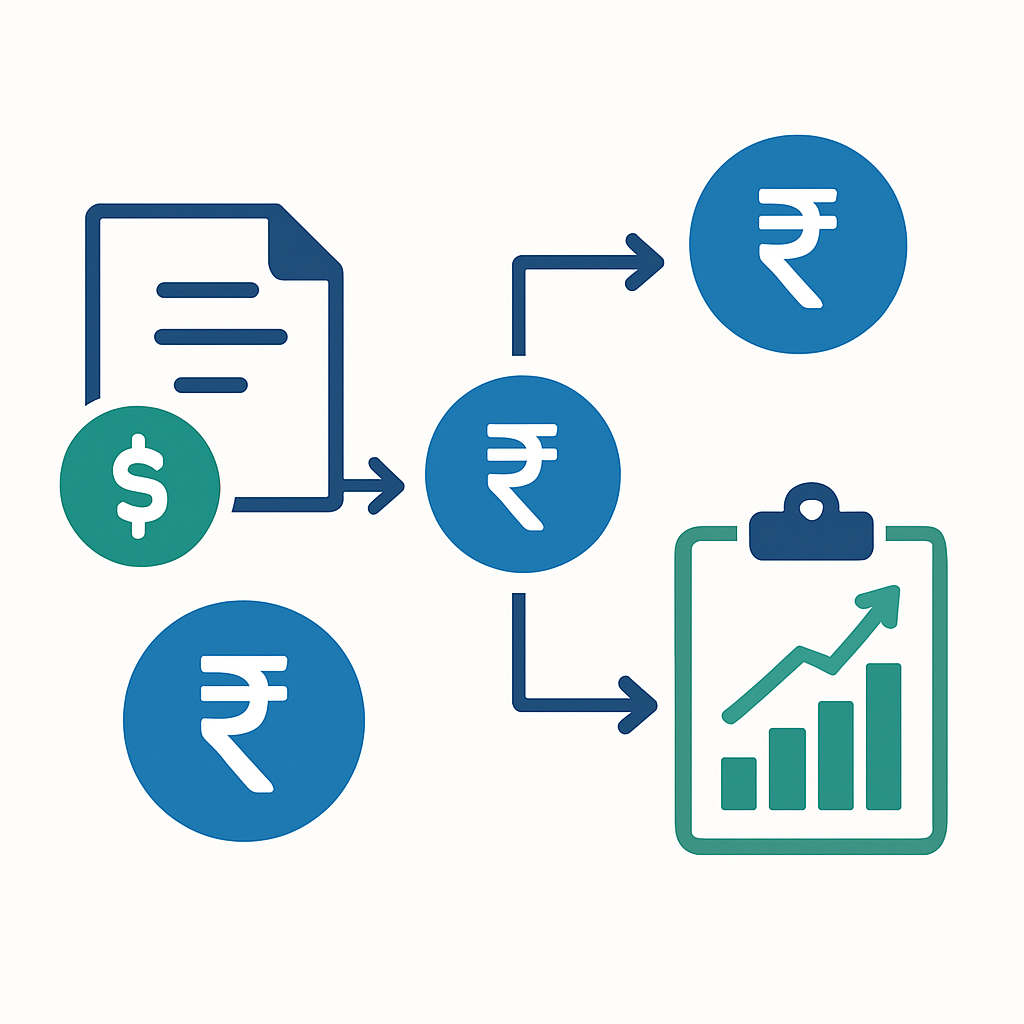
Higher profitability may give Poonawalla Fincorp more flexibility in loan pricing. The company could use stronger margins to compete for low-risk borrowers, especially in segments where it wants to grow. This matters for anyone comparing a personal loan, business loan, or vehicle finance option across banks and NBFCs.
Competition in India’s lending market remains high across banks, NBFCs, and digital lending platforms. Better profitability may help Poonawalla Fincorp compete more actively with other lenders, but pricing will still depend on borrower risk and market conditions. The Q1 FY26 results overview also highlights growth in AUM, revenue, and profitability.
Potential Impact on Interest Rates for Retail Loans
Retail borrowers may hope for lower interest rates after Poonawalla Fincorp’s profit surge. That is possible for some applicants, but it depends on income stability, credit score, repayment history, and existing debt levels. A customer with stable income, clean repayment behaviour, and low leverage is usually better placed to negotiate.
EMIs may become easier if a lender cuts rates, offers a balance transfer, or provides flexible repayment choices. Borrowers should also track RBI repo rate moves because lenders consider policy rates and funding costs while pricing loans. If you already follow rate changes, read our guide on why RBI’s repo rate hike is critical for your home loan.
New Product Opportunities for SMEs and Retail Customers
A stronger balance sheet can help an NBFC create more tailored loan products. Poonawalla Fincorp may focus on areas such as personal loans, vehicle finance, and small business credit if these segments fit its strategy. Such products often appeal to borrowers who want faster processing than traditional bank loans can provide.
SMEs may see more working capital solutions if the company continues to expand its loan book. Retail customers may also see offers linked to credit score, income, employment type, and past repayment record. Borrowers should compare processing fees, foreclosure charges, insurance add-ons, and total interest cost before signing any loan agreement.
Changes in Credit Policy and Loan Accessibility
When an NBFC grows profit and capital, it may review its credit policy for selected borrower segments. The lender may become more competitive for low-risk profiles while keeping strict checks for weaker applications. This balance allows growth without ignoring asset quality and repayment discipline.
Poonawalla Fincorp’s profit surge may also support better use of technology in loan processing. Digital onboarding, e-KYC, bank statement analysis, and data checks can reduce delays if implemented well. Borrowers should keep PAN, Aadhaar, bank statements, income proof, GST records where applicable, and ITR documents ready before applying.
Expected Shifts in Eligibility for Various Borrower Segments
Retail borrowers with stable salaries may find approvals smoother if the lender expands in their segment. Self-employed professionals may also benefit if they can show steady cash flow and clean bank records. A good credit score and disciplined credit card repayment history will remain important despite stronger lender profitability.
SMEs with strong credit history could receive better attention during a growth phase. Lenders often reward businesses that maintain GST filings, bank transactions, income tax records, and audited financial statements. For business owners affected by market-linked income or seasonal sales, transparent records can make credit assessment easier.
Improvement in Documentation and Disbursement Speed
Digital loan journeys can speed up both approval and disbursement. Many NBFCs now use e-KYC, automated credit checks, and bank statement analysis to assess borrowers faster. If Poonawalla Fincorp invests more in such systems, eligible borrowers may see quicker loan decisions.
Repeat borrowers may benefit from simplified documentation if their repayment record is clean. New borrowers can also benefit if their credit profile is strong and their data is consistent across documents. Applicants should never hide existing loans, credit card dues, delayed EMIs, or informal debt because incorrect disclosure can hurt approval chances later.
Strategies for Indian Borrowers: Timing Your Loan Applications
If you need a loan soon, this may be a useful time to compare Poonawalla Fincorp with other lenders. Strong quarterly results can encourage lenders to acquire good customers, particularly in targeted segments. Borrowers may see balance transfer deals, fee waivers, or promotional offers over time, but these should be checked carefully.
Do not borrow only because approvals appear easier. Your EMI should fit your monthly income, rent, SIP commitments, insurance premiums, household expenses, and family responsibilities. If your cash flow feels tight or the loan amount is large, consult a financial advisor before committing.
When to Apply for New Loans Amid Financial Growth
Early applications may help some borrowers access competitive terms if the lender wants to grow in a chosen segment. This is more likely for applicants with stable income, good documentation, and a strong repayment history. A clean financial profile gives you better bargaining power when comparing lenders.
Keep an eye on repo rate changes, inflation, and lender announcements before finalising a loan. Rising rates can make borrowing costlier, while easing rates may improve affordability for some borrowers. For a wider rate view, read why the RBI rate hike and rupee slide matter for you.
Benefits of Refinancing Existing Loans with Poonawalla
Refinancing can reduce your EMI if the new rate is meaningfully lower and the fees are reasonable. It may also help if you want a longer tenure, a cleaner repayment structure, or a lender with faster service. Always compare the total cost of the new loan, not just the headline interest rate.
Check foreclosure charges, processing fees, insurance add-ons, GST on charges, and any conditions linked to early repayment. A cheaper-looking loan may cost more if charges are high or tenure becomes unnecessarily long. If the outstanding amount is large or your income is uncertain, consult a financial advisor before switching.
Incorporating Poonawalla Fincorp’s Performance into Personal Financial Planning
Your loan plan should match both lender trends and your household goals. Poonawalla Fincorp’s profit surge may improve credit access, but it should not push you into over-borrowing. Debt should support planned needs and productive goals instead of creating long-term repayment stress.
Build your plan around income stability, emergency funds, insurance cover, and tax goals. Section 80C tools such as EPF, PPF, and eligible life insurance can support tax planning depending on your circumstances. For market-linked goals through mutual funds, SIPs, or equities, consult a financial advisor before investing.
Adjusting Borrowing Limits Based on Market Conditions
A healthy NBFC may offer higher credit lines to suitable borrowers. You can consider such access for planned needs such as education, business inventory, equipment purchase, or urgent repairs. Avoid using easy credit for lifestyle spending that does not improve your financial position.
Keep your total EMIs within a manageable share of take-home income. Also maintain an emergency buffer for at least a few months of expenses so that temporary income disruption does not cause missed payments. If job risk is high or business cash flow is uneven, borrow less even if approval looks easy.
Planning Debt Repayment and Investment for Indian Consumers
If you save money through a lower EMI, use the surplus carefully. You may improve emergency savings, reduce high-cost debt, or review long-term investment goals with professional guidance. The right choice depends on your income security, family needs, risk tolerance, and existing obligations.
Market mood can change quickly due to movements in Sensex, Nifty, inflation, currency trends, and global rates. SEBI rules also shape mutual funds, market conduct, and investor protection standards. For market risk awareness, read why Sebi’s critical probe matters for your stock market.
What Indian SMEs Can Expect from Poonawalla Fincorp Going Forward
SMEs may benefit if Poonawalla Fincorp uses its stronger position to expand business lending. A bigger AUM base can support more disbursements across working capital, equipment finance, and other business needs if risk policies allow. This can help businesses manage inventory, machinery, seasonal demand, and short-term cash gaps.
The lender may also consider more tailored products for trustworthy SMEs. Collateral rules and documentation requirements may vary by loan type, business profile, and repayment capacity, so no borrower should assume guaranteed approval. Every lender will still assess cash flow, sector risk, banking behaviour, and repayment ability before sanctioning credit.
Enhanced Support for SME Growth and Expansion
SMEs often need quick credit to capture growth opportunities. A stronger NBFC can meet this need if it has adequate capital, efficient systems, and disciplined risk controls. Poonawalla Fincorp’s profit surge may help it compete more actively in this space.
Customized loans can support different sectors, from trading firms to service businesses. One SME may need working capital to buy stock, while another may need machinery finance or funds for expansion. Business owners should match the loan type with the actual use of funds to avoid repayment pressure.
Implications for SME Credit Management and Relations
SMEs should maintain clean books if they want better loan terms. Timely GST filings, ITR records, bank statements, and audited accounts build lender confidence. A lender can offer higher limits only when business data supports the request and repayment capacity is visible.
Strong lender relations also help during difficult months. If cash flow tightens, early communication can prevent repayment stress from becoming a default situation. Business owners should avoid mixing personal loan needs with business working capital because it can distort cash-flow planning.
Frequently Asked Questions
Many readers want to know whether strong NBFC results will directly reduce their EMI. The answer depends on interest rates, credit profile, lender strategy, and overall market conditions. These FAQs explain the practical impact for Indian borrowers without assuming automatic benefits.
Will Poonawalla Fincorp lower interest rates after the profit surge?
It is possible for some borrowers because higher profits can improve lending capacity and pricing flexibility. Low-risk borrowers with good repayment records, stable income, and lower existing debt may benefit first. Final rates will still depend on RBI policy, funding costs, competition, and borrower credit risk.
Can retail borrowers expect easier loan approvals now?
Retail borrowers may see smoother approvals if the company expands its loan book in their segment. Stable income, good credit score, proper documentation, and low existing debt will help. A profit surge does not remove the need for credit checks or income verification.
Should I refinance my existing loan with Poonawalla Fincorp?
You can consider refinancing if the new rate and terms are clearly better than your current loan. Compare processing fees, foreclosure charges, tenure changes, insurance costs, and total interest outgo before deciding. For large loans or complex cash-flow situations, consult a financial advisor before making the switch.
How soon will new loan products be available for customers?
Customers should watch official company announcements, regulatory filings, and lender communications. Strong results can support product expansion, but launch timing depends on business strategy and risk controls. Avoid acting on rumours shared through social media, messaging apps, or unverified channels.
What financial planning changes should I make based on this news?
You can review loan timing, refinancing options, and credit exposure with more attention. Keep your emergency fund, repayment schedule, and debt-to-income level under control before taking new credit. Stay updated with PocketPlanGuru for more guides on NBFC trends, loan planning, and household financial decisions.
Disclaimer: The information above is for educational purposes only and does not constitute financial advice.