


Why Sebi’s Position Limits Matter for Market Liquidity
Sebi’s review of position limits matters because these rules can influence how easily investors buy or sell during active market hours. Position limits are especially relevant in futures and options, where large leveraged trades can affect liquidity, spreads, and short-term volatility. For retail investors, the main takeaway is that stronger risk controls may support market stability, but they can also change how deep the order book feels during busy trading sessions.
The issue has gained attention because Sebi is examining position limits for non-agricultural contracts to improve liquidity and market depth without weakening risk controls. Sebi has also introduced stricter intraday position limits for index derivatives trading from October 1, 2025. These developments do not mean every small investor must change strategy immediately, but they do make risk awareness and broker-level monitoring more important.
Understanding Sebi’s Position Limits
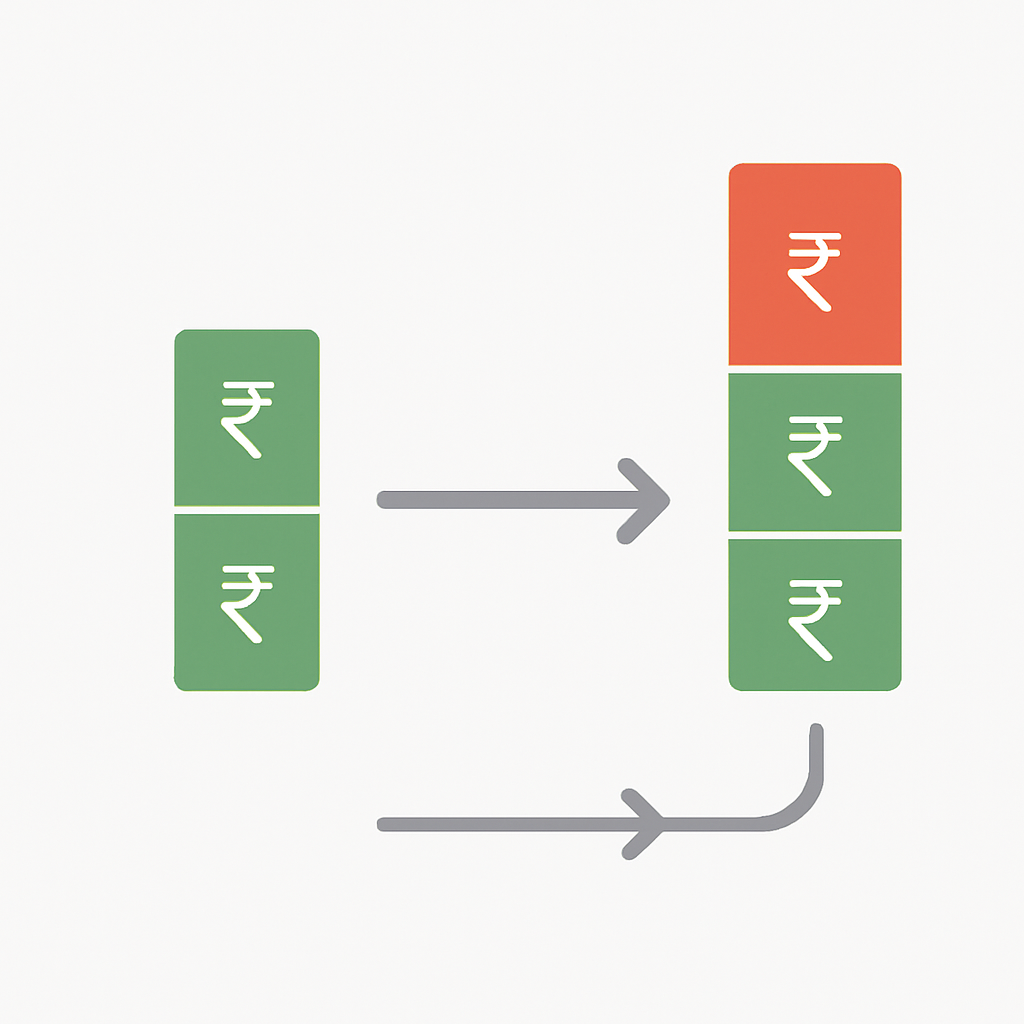
Position limits cap how much exposure one trader, institution, or group can hold in a contract. In simple terms, Sebi uses these caps to prevent one participant from building an outsized position that could distort prices or create market stress. This matters most in derivatives because leverage can magnify gains, losses, and the impact of sudden price moves.
Recent updates show that Sebi is examining position limits for non-agricultural contracts with the aim of improving liquidity and depth while retaining safeguards. A report shared by ET Markets on Sebi examining non-agricultural contract limits highlighted this regulatory balancing act. For retail investors, the core idea is simple: deeper markets can help execution, but weak controls can increase systemic risk.
From October 1, 2025, Sebi introduced stricter intraday position limits for index derivatives trading. The new framework includes a net intraday position cap of ₹5,000 crore and a gross position cap of ₹10,000 crore on both long and short sides. These caps are aimed at reducing excessive speculative risk while allowing markets to continue functioning with adequate liquidity.
Definitions: Net and Gross Position Limits
A net position limit measures the difference between long and short exposure in an index or contract. For example, if an entity holds long futures and also holds offsetting short exposure, the net figure reflects the remaining directional exposure after permitted offsets. Sebi and exchanges use this view to understand the final market risk that remains after positions are combined.
A gross position limit looks at total long and short exposure separately. It does not rely only on whether one side appears to cancel the other in net terms. This matters because very large books on both sides can still create stress during sharp price movements, liquidity shocks, or forced unwinding.
Futures-Equivalent Basis Simplified for Retail Investors
Sebi and exchanges often convert different derivative positions into a futures-equivalent basis. This creates a common yardstick for comparing futures and options exposure. It helps exchanges monitor risk across instruments that may otherwise look very different on the surface.
Retail investors do not need to calculate every complex exposure formula manually. Broker platforms usually show margin, open positions, available funds, and risk alerts in a simpler format. Even so, investors who trade index derivatives should understand that option positions can create meaningful exposure even when the upfront premium appears small.
Impact on Market Liquidity for Retail Investors
Sebi’s position limits can affect liquidity because large traders often provide depth in actively traded contracts. When institutions, proprietary desks, and market makers quote both buy and sell prices, retail investors may benefit from tighter spreads and smoother execution. If these participants reduce activity because of tighter limits, some contracts may show thinner order books during volatile periods.
The Futures Industry Association, in its response to Sebi’s consultation on investor protection, said strict limits can affect larger institutional participants more than small traders. It also noted that larger participants often reduce costs for retail investors by adding liquidity. This does not mean position limits are harmful, but it shows why Sebi must balance safety, market depth, and investor protection.
Sebi has also raised the minimum threshold for block deals to ₹25 crore. This can reshape how large trades appear in the market and how institutions choose execution routes. For a small investor, the effect may appear indirectly through changes in visible market depth, trade timing, or large-order activity on exchanges.
Why Institutional Restrictions Influence Liquidity
Institutional traders, market makers, and proprietary desks can absorb large orders during active sessions. Their presence may reduce execution costs and make it easier for other participants to enter or exit liquid contracts. When rules restrict their intraday size, they may adjust quotes, reduce activity, or change how they manage risk during certain periods.
This is especially relevant during expiry days, major economic announcements, or global market shocks. Sudden changes in sentiment can move index derivatives quickly, and liquidity becomes more valuable when many traders try to act at the same time. Retail traders should not assume that a contract that looks liquid in calm conditions will behave the same way during stress.
Effect on Day Traders and Small Investors
Most small investors will not directly hit ₹5,000 crore or ₹10,000 crore position limits. The impact is more likely to come through market behaviour, broker controls, margin requirements, and changes in liquidity around popular strikes. If a retail trader uses weekly index options, the experience may change most during peak volatility or near expiry.
Day traders should treat these changes as a reminder to review risk rather than as a signal to trade more aggressively. Thin contracts, wide spreads, and fast price moves can increase losses even when the trader is directionally correct. Anyone considering derivatives should consult a financial advisor before making strategy changes, especially if leverage is involved.
Strategic Adjustments After Sebi’s Limit Changes
Sebi’s position limits should not push retail investors into rushed decisions. A more practical response is to review exposure, time horizon, risk capacity, and dependence on leveraged products. If an investor mainly uses mutual funds, SIPs, PPF, NPS, or EPF, these rules may have only an indirect effect on the overall portfolio.
Traders who use index futures and options need a clearer understanding of how much exposure they carry during the day. Diversification across asset classes may reduce dependence on one contract, one expiry, or one market event, but the right mix depends on individual circumstances. Investors can also read PocketPlanGuru’s guide on why the Sebi-RBI collaboration is essential for FPIs to understand how regulation shapes institutional market flows.
Position limits should not be treated as a reason to create complex trades that increase hidden risk. Each trade should have a clear purpose, but whether it is suitable depends on the investor’s financial position, experience, and risk tolerance. Before increasing exposure or using derivative strategies, consult a financial advisor who can evaluate the full financial picture.
Practical Ways to Review Position Size
Active traders should monitor total exposure for each index derivative during the day. Many traders look mainly at profit and loss, but exposure, margin use, and concentration can be just as important. Broker dashboards can help show open positions, available funds, used margin, and alerts before risk becomes difficult to manage.
Concentration in one weekly expiry, one strike, or one directional view can create unnecessary vulnerability. Using more instruments does not automatically reduce risk if all positions react to the same market move. A financial advisor can help assess whether a trading approach fits the investor’s broader goals and cash-flow needs.
Risk Management Under the New Framework
Risk controls should be decided before entering a trade, not after the market starts moving sharply. Traders should understand how much they can afford to lose, how liquidity may change, and how broker margin calls may affect open positions. These decisions are personal, so investors should consult a financial advisor instead of relying only on social media or short-term market commentary.
Options can lose money quickly when volatility shifts, even if the index does not move much. Defined-risk structures may appear easier to understand than uncovered positions, but they still require knowledge of premiums, time decay, liquidity, and exit costs. Retail investors should avoid using derivatives as a substitute for a long-term financial plan.
Long-Term Market Implications and Global Context
India is not alone in using position limits to manage market risk. Mature markets also use caps, reporting rules, margin systems, and exchange-level monitoring to reduce manipulation and protect market integrity. Sebi’s challenge is to protect investors while keeping Indian markets attractive, liquid, and useful for hedging.
The regulator is also investigating whether the net limit of ₹500 crore per index was breached in a high-profile case. Moneycontrol reported on Sebi’s likely probe into index position limits, which brought the issue into wider public view. Such cases show that position-limit rules are not only technical details for exchanges, but also part of market surveillance and enforcement.
Global investors watch how India handles liquidity, risk, and enforcement. This matters when foreign portfolio investors buy or sell Indian equities in size, because confidence in market structure can influence participation. For more context, see PocketPlanGuru’s article on why proven strategies matter during FPI selling in India.
Comparing India’s Position Limits with Global Markets
US and European markets use position limits, reporting requirements, and exchange-level monitoring. These tools are designed to reduce manipulation, improve transparency, and protect market integrity. India follows a similar broad approach, but the exact limits and implementation details reflect domestic liquidity, participation patterns, and regulatory priorities.
India’s derivatives market has grown rapidly, which makes investor protection a larger policy concern. At the same time, regulators must avoid rules that unnecessarily weaken useful hedging and market-making activity. The balance between safety and liquidity is likely to remain an active policy debate.
Potential Future Regulatory Trends to Watch
Sebi may refine intraday caps as exchanges and market participants share feedback. The rules may evolve as monitoring systems improve and more data becomes available. Real-time or near-real-time position monitoring could become more important for brokers, clearing members, and large trading entities.
A LinkedIn update on Sebi’s intraday limits for index options highlighted the shift from only end-of-day checks to intraday caps. This shows how surveillance is becoming more active during the trading day. Retail traders should expect faster alerts, tighter broker controls, and greater emphasis on risk discipline.
How Retail Investors Can Stay Compliant and Informed
Most retail investors will remain far below Sebi’s large numerical caps. Even so, compliance still matters because brokers may apply tighter internal limits, especially during volatile periods or near expiry. Anyone trading index futures or options should check broker margin rules, order limits, and risk controls before placing trades.
Active traders should follow Sebi circulars, NSE updates, and BSE notices when rules change. Investors who only use SIPs, mutual funds, or long-term stocks may not need to track every derivatives update closely, but they should still understand how market volatility can affect portfolio values. Broader financial priorities such as emergency funds, insurance, tax planning, and debt management should not be ignored because of short-term market noise.
Regulation also connects with wider money decisions. Inflation, home loan EMIs, personal loans, credit card debt, and unstable income can reduce an investor’s risk capacity. Before increasing market exposure, investors should consult a financial advisor who can consider both portfolio risk and household finances.
Tools and Resources to Monitor Positions
A broker platform is usually the first tool for checking exposure and margin. Many apps show live profit and loss, used margin, available funds, and option Greeks. These tools are most useful when checked before placing new orders, not only after a trade becomes stressful.
NSE and BSE also publish contract data, circulars, and market updates. Active traders should review exchange notices during regulatory transitions because broker policies can change quickly. If an investor also tracks overseas markets, PocketPlanGuru’s guide on what the essential US overnight trading hours mean for Indians can help explain timing risk.
Healthy Investor Behaviors After Limit Changes
A trading log can help investors record entry price, exit price, trade reason, and mistakes. This habit can reveal overtrading, emotional decisions, and repeated errors that are not obvious during live markets. It can also make the process more rules-based, though the rules themselves should be reviewed with proper financial guidance.
Retail investors should avoid risky concentration in one contract, one expiry, or one market theme. Borrowed money can make speculative trades more dangerous because losses may affect household finances beyond the trading account. If an investor feels pressure to recover losses quickly, the safer response is to pause and consult a financial advisor.
FAQs on Sebi’s Position Limits
Retail investors often hear terms like net exposure, gross exposure, and futures-equivalent value when position limits are discussed. These words can sound technical, but the core idea is risk control. The following answers explain the basics in plain English.
What are position limits in stock derivatives?
Position limits are caps on the maximum exposure a trader, institution, or related entity can hold in derivatives. Sebi and exchanges use these limits to control market risk, reduce concentration, and prevent outsized influence. They matter most in futures and options because leverage can increase both profits and losses quickly.
How do Sebi’s new intraday limits affect retail traders?
Most retail traders will not directly hit the large rupee caps announced for index derivatives. The impact may come through liquidity, broker checks, margin changes, and intraday market depth. Traders who use leverage should consult a financial advisor before changing position size or strategy.
What is the difference between net and gross position limits?
Net position means long exposure minus short exposure after permitted offsets. Gross position means the total long and short exposure is tracked separately. Sebi monitors both because net exposure shows directional risk while gross exposure can reveal scale and potential stress.
Can these rules improve market stability?
These rules can support stability if they reduce excessive speculative build-ups without damaging useful liquidity. Stronger intraday monitoring may help exchanges identify concentrated risk earlier. Market quality will still depend on how exchanges, brokers, institutions, and retail traders adapt.
What should a retail investor do after these changes?
A retail investor should first understand whether they are directly trading derivatives or only holding long-term investments. Those using futures and options should review broker limits, margin use, and exposure before trading. For personal decisions, consult a financial advisor who understands income, goals, obligations, and risk tolerance.
Final Takeaway for Indian Investors
Sebi’s position limits are not just a technical rule for large traders. They can shape liquidity, spreads, volatility, and the way retail investors experience the derivatives market. If you trade futures or options, these changes are a prompt to review exposure and seek professional guidance where needed.
Long-term investors should keep short-term market rules in perspective. Goals, asset allocation, emergency savings, insurance, and debt control usually matter more than reacting to every regulatory update. Subscribe to PocketPlanGuru and explore more practical guides to make calmer, better-informed financial decisions.
Disclaimer: The information above is for educational purposes only and does not constitute financial advice.