


Why Global Bond Yields Matter for Indian Households
Global bond yields have risen sharply, and the impact can reach Indian households through home loans, EMIs, fixed deposits, debt funds, currency movements, and inflation. A bond yield may sound like a topic for institutional investors, but it influences the cost of money across the financial system. If you have a floating-rate home loan, are planning to borrow, or are reviewing your savings, this trend deserves attention.
Rising Global Bond Yields do not automatically mean every Indian borrower will pay more immediately. India has its own interest-rate cycle, RBI policy framework, inflation conditions, and banking liquidity. Even so, global markets affect investor flows, government borrowing costs, lender sentiment, and the rupee, so Indian families should understand the connection before making major money decisions.
Understanding Rising Global Bond Yields and Their Link to India
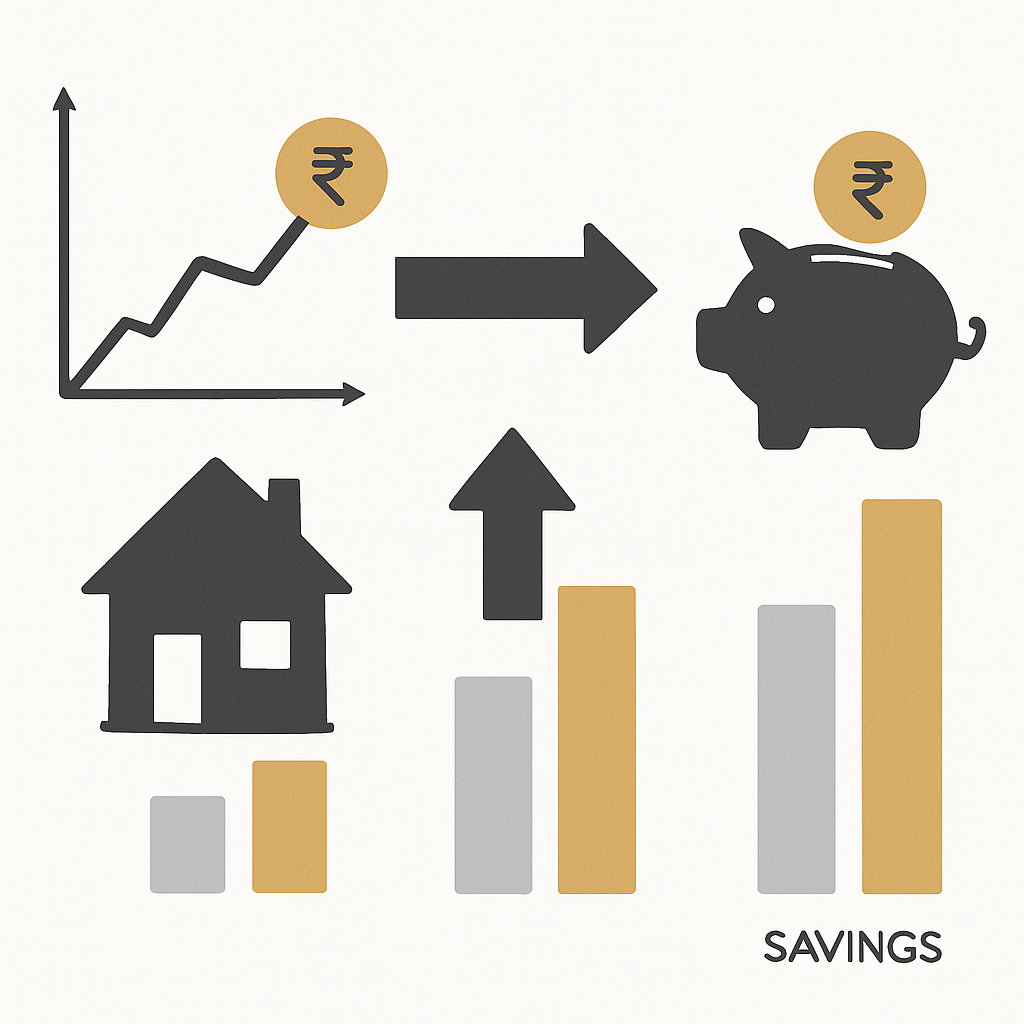
Bond yields are the returns investors demand for lending money to governments or other borrowers. When bond prices fall, yields usually rise, and this can increase borrowing costs across the economy. A New York Times explainer on global interest rates notes that higher government bond yields can influence mortgages, auto loans, student loans, and business loans.
Global bonds matter because money moves across borders quickly. If U.S., UK, German, or Japanese bonds offer higher yields, large investors may compare those returns with opportunities in emerging markets such as India. That can affect capital flows, currency pressure, and the mood in Indian government securities, banking, and equity markets.
India’s bond market does not move exactly like the U.S. Treasury market. RBI policy, domestic inflation, fiscal borrowing, and banking liquidity all matter. For an Indian perspective on global rates, PocketPlanGuru readers can also review this guide on why smart Indians should watch the US 30-year Treasury yield.
What Are Global Bond Yields?
A bond yield rises when investors demand a higher return for holding a bond. This can happen when inflation concerns rise, when central banks keep rates high, or when investors expect governments to borrow more. The verified research notes that the U.S. 10-year Treasury yield moved to nearly 4.8 percent, while yields in other major markets also rose.
Rising Global Bond Yields often reflect a broader competition for savings. Goldman Sachs has discussed how lower savings and higher investment needs can push interest rates higher to balance demand. You can read that view in its discussion on why global bond yields are surging.
For households, this matters because banks and financial institutions do not lend in isolation. Their funding costs, market expectations, and risk appetite can change when global yields move higher. The effect may be indirect in India, but it can still influence loan pricing, deposit rates, and market volatility.
How Global Yields Affect the Indian G-Sec Market
Indian government securities, or G-Secs, are shaped mainly by domestic conditions. RBI policy, inflation, fiscal borrowing, and demand from banks, insurers, mutual funds, and pension funds all play important roles. Still, rising global yields can put pressure on Indian yields because investors compare returns across markets.
Foreign portfolio investors may adjust their exposure when safer developed-market bonds become more attractive. If money moves away from emerging markets, Indian bonds and equities can face periods of volatility. Investors can track bond and debt market data through the NSE bond market section for additional context.
Currency movements are another channel to watch. If global yields support the U.S. dollar, the rupee may face pressure during risk-off phases. A weaker rupee can increase the cost of imports such as crude oil, and that can complicate India’s inflation outlook.
RBI’s Role Amid Rising Global Yields
RBI does not simply follow the U.S. Federal Reserve or other central banks. It studies domestic inflation, growth, liquidity, credit conditions, and financial stability before taking policy action. However, when global yields rise sharply, RBI also has to monitor currency pressure, imported inflation, and capital flows.
For Indian borrowers, RBI’s repo rate is especially important. Many floating-rate home loans are linked to external benchmarks, often connected to the repo rate. If RBI raises rates, borrowers may see EMIs rise or loan tenures extend after lender resets.
If RBI pauses or cuts rates later, floating-rate borrowers may benefit depending on reset dates and lender policies. That benefit is not always instant, because banks apply their own spreads and reset schedules. Official updates can be followed on the RBI monetary policy statements page.
RBI’s Monetary Policy Response Explained
RBI uses tools such as the repo rate and liquidity operations to manage inflation and financial conditions. When inflation risks rise, RBI may keep policy tight or drain excess liquidity. This can make borrowing costlier for banks and can influence rates on home loans, personal loans, and business loans.
Liquidity also affects deposit rates. If banks need more stable funding, they may compete harder for deposits and offer better FD rates. That can help savers, but it can also mean lenders become less aggressive in cutting loan rates.
This creates a trade-off for Indian families. Borrowers want lower interest costs, while savers and retirees often prefer higher deposit returns. A balanced financial plan should account for both sides instead of reacting only to headlines.
Fixed and Floating Home Loan Rates
Fixed home loan rates often reflect longer-term funding conditions and expectations about future rates. When long-term yields stay elevated, lenders may price new fixed-rate products more cautiously. Floating loans usually move more closely with repo-linked benchmarks, MCLR, or other lender-specific reset mechanisms.
A fixed loan can offer certainty, but it may start at a higher rate than a floating loan. A floating loan may be cheaper in some phases, but it can become uncomfortable when rates rise. Borrowers should consult a financial advisor before switching between fixed and floating products.
The decision should include more than the headline interest rate. Spreads, reset dates, processing fees, legal charges, prepayment rules, and remaining tenure can all change the outcome. A home loan calculator can help estimate scenarios, but a qualified advisor can review the borrower’s full cash flow and goals.
How Rising Yields Can Affect Home Loan EMIs
Higher bond yields can raise the cost of funds for lenders in many markets. ABC News explains that Treasury rates influence borrowing products such as mortgages, credit cards, and car loans in the U.S. in its article on rising bond yields and consumer borrowing rates. India has a different lending structure, but the broad principle is similar because lenders respond to funding costs and rate expectations.
For a home loan, even a small rate change can affect household budgeting. Lenders may increase the EMI, extend the tenure, or use a combination of both based on policy and borrower eligibility. If tenure extension is limited by age or internal rules, the EMI increase can become more visible.
Borrowers should avoid assuming that global yields alone decide their EMI. RBI policy, bank spreads, credit score, loan-to-value ratio, and borrower profile also matter. The practical step is to review the amortisation schedule and understand how the loan behaves under different rate scenarios.
Current Home Loan Considerations in India
Indian home loan pricing depends on domestic benchmarks, lender competition, deposit costs, and borrower risk profile. Global yields can influence sentiment, but the final rate offered by a bank or housing finance company depends on local factors. Borrowers should compare offers carefully and consult a financial advisor before committing to a large loan.
The spread between fixed and floating products can change when uncertainty is high. Lenders may charge more for certainty if future rates are difficult to predict. Floating rates may look attractive, but they come with reset risk and require cash-flow flexibility.
A household with a high EMI-to-income ratio should be especially cautious. Rate increases, job uncertainty, medical costs, or education expenses can quickly strain the monthly budget. Keeping an emergency buffer before taking on new debt is often more useful than trying to predict the exact interest-rate peak.
Refinancing and Switching Loan Products
Refinancing can help when another lender offers better overall terms. The saving should be compared after including processing fees, legal charges, valuation costs, insurance bundling, and other transfer expenses. A lower headline rate is useful only if total savings are clear over the remaining tenure.
Some borrowers consider switching from floating to fixed when they fear more rate increases. Others may stay with floating rates if they expect policy rates to soften later. There is no single answer that works for every borrower, so a financial advisor should be consulted before restructuring a large loan.
Timing also matters because frequent switching can reduce the benefit. A borrower should ask for the reset date, outstanding principal, revised amortisation schedule, and all applicable charges. The decision should be based on full loan economics, not only on one market headline.
Managing Savings During Higher Interest Rates
Rising rates are not only a challenge for borrowers. Savers may find better returns in low-risk products such as bank deposits, money market products, and certain government-backed savings instruments. Vanguard’s note on the implications of rising bond yields highlights that higher yields can improve returns from safer fixed income assets.
In India, higher rates can be helpful for retirees, conservative savers, and households building emergency funds. However, the post-tax return matters more than the advertised rate. Inflation can reduce real returns, so savers should compare returns with their actual household expenses.
Debt mutual funds need special care in a rising-yield environment. Existing bond prices can fall when yields rise, although future portfolio yields may improve as securities are reinvested. Investors should read scheme documents and consult a SEBI-registered financial advisor before making investment decisions.
Fixed Income Options Indian Savers Review
Indian savers often review bank FDs, post office time deposits, PPF, EPF, NPS debt allocation, and short-duration debt funds when rates are high. Each product has different tax rules, liquidity conditions, lock-ins, risks, and suitability. These choices should be matched with the goal timeline rather than selected only because the rate looks attractive.
Government-backed products may add stability to a household plan. PPF, NSC, Sukanya Samriddhi accounts, EPF, and selected post office schemes can offer structure and discipline. Some products may also qualify for Section 80C benefits, subject to rules and limits.
Tax treatment can change the final outcome meaningfully. A person in a higher tax slab may earn a lower post-tax return from taxable interest than the advertised rate suggests. A tax professional or financial advisor can help compare the real benefit across options.
Balancing Inflation, Liquidity, and Growth
A higher FD rate does not automatically mean the saver is ahead. Food, fuel, rent, medical costs, and education expenses may rise faster than expected. The real return should be measured after tax and after considering household inflation.
Liquidity is also important. Locking too much money into long-tenure products can create stress during medical emergencies, job loss, or urgent family needs. Households should keep accessible funds before committing money to products with penalties or lock-ins.
Long-term goals may still require growth assets depending on risk capacity and time horizon. Equity markets can be volatile when rates rise, but long-term plans should not depend on one market phase alone. Investors should consult a financial advisor before changing asset allocation.
Practical Planning Tips for Borrowers and Savers
The first step is to review cash flow. Borrowers should know their EMI-to-income ratio, emergency fund level, and ability to handle a rate reset. Savers should review maturity dates, tax impact, liquidity needs, and the role each product plays in their financial plan.
Rising Global Bond Yields can create stress, but they can also create planning opportunities. Borrowers can review spreads, prepayment terms, and refinancing options with professional guidance. Savers can compare deposit rates and fixed income choices while avoiding decisions based only on short-term market noise.
Investors should also understand how foreign flows affect Indian markets. PocketPlanGuru’s analysis on why the Sebi-RBI collaboration is essential for FPIs explains why market infrastructure and investor access matter. These flows can influence liquidity and volatility, especially when global rates change quickly.
When to Review a Home Loan
A home loan review is useful when the borrower’s rate is meaningfully higher than current market offers. The borrower should first ask the existing bank whether the spread can be reduced before transferring the loan. This may avoid unnecessary charges and documentation if the existing lender offers a fair reset.
The review should include total cost, not only the rate. Processing fees, legal expenses, valuation charges, insurance conditions, and remaining tenure can change the result. A financial advisor can help compare the current loan with the proposed loan on a like-for-like basis.
Borrowers should not react to every RBI meeting or global bond-market move. Interest-rate cycles can change direction, and loan decisions are long-term commitments. The safer approach is to stress-test the EMI and choose a structure that fits household cash flow.
Using Government-Backed Instruments Carefully
Government-backed savings products can add predictability to a financial plan. They may be useful for disciplined saving, tax planning, and goal-based allocation. However, suitability depends on the investor’s age, liquidity needs, tax slab, and time horizon.
Not every rupee should be locked into long-term products. Families need liquid funds for health costs, job loss, travel emergencies, and urgent repairs. Liquidity can be as important as return when uncertainty rises.
For market-linked products, investors should check official disclosures and risk labels. SEBI’s investor resources can help investors understand basic protections and disclosures. Mutual fund investors should review duration risk, credit risk, and tax treatment with a financial advisor.
The Bigger Picture for India’s Economy
Higher global yields can affect India through inflation, currency movements, and foreign capital flows. A stronger dollar can pressure emerging market currencies, including the rupee. If the rupee weakens and commodity prices remain firm, imported inflation can become a concern.
RBI then has to balance price stability with growth. Tight policy can help control inflation, but it can also keep borrowing costs elevated. Easier policy can support growth, but it may be difficult if inflation or currency pressure remains high.
Stock markets can also react to higher rates. When safe yields rise, investors may demand stronger earnings growth and better valuations from companies. If FPI selling worries you, read PocketPlanGuru’s article on why smart investors watch Rs 23,000 crore FII outflows.
Inflation and Currency Implications
Higher global rates can make U.S. dollar assets more attractive. This can put pressure on emerging market currencies during periods of global risk aversion. For India, the rupee’s movement matters because imports such as crude oil are important to the economy.
Households may feel imported inflation through fuel, transport, food, and general living costs. A family with high debt has less room to absorb these shocks. This is why debt management and emergency funds are important during periods of elevated rates.
No source provides a definitive answer on the long-term economic impact of rising global yields. The outcome depends on inflation, growth, central bank actions, fiscal policy, and investor behaviour. Households should focus on resilience rather than trying to forecast every market turn.
Foreign Capital Flows and Market Volatility
Foreign investors compare India with global bond and equity markets every day. When developed-market yields rise, some capital may move toward safer assets. This can create short-term volatility in equities, bonds, and the rupee.
Indian investors should avoid panic during such phases. Asset allocation, goal clarity, and adequate liquidity are more useful than reacting to daily market moves. A disciplined review can help investors stay aligned with their financial plan.
SEBI rules, RBI policy, corporate earnings, inflation data, and global yields all shape market sentiment. None of these variables works alone. Investors should consult a financial advisor before making major changes to their portfolio.
Frequently Asked Questions
These answers address common questions from Indian borrowers and savers. They are educational and should not be treated as personal financial advice. For major borrowing, refinancing, or investment decisions, consult a financial advisor who can review your income, tax slab, goals, and risk capacity.
How do rising global bond yields affect my home loan interest rate?
They affect Indian home loans mainly through indirect channels. Fixed loan rates may be influenced by longer-term funding costs and G-Sec yield trends, while floating rates depend more on RBI-linked benchmarks and lender policies. Global yields matter, but RBI policy and local banking conditions usually matter more for your EMI.
Should I switch from a floating to a fixed home loan?
The answer depends on your cash flow, risk comfort, remaining tenure, and view of future rate resets. A fixed rate can provide certainty, while a floating rate may benefit if rates fall later. Before switching, compare total cost and consult a financial advisor.
Which savings products can benefit when rates rise?
Bank FDs, money market products, and some government-backed savings instruments may offer better returns when interest rates are higher. Debt mutual funds may offer improved future yields, but their prices can move when market yields change. Suitability depends on tax, liquidity, time horizon, and risk profile, so consult a financial advisor.
How does RBI policy influence my borrowing cost?
RBI’s repo rate influences many floating-rate loans in India. If RBI raises rates, lenders may increase EMIs or extend loan tenures after reset dates. If RBI holds or cuts rates, borrowers may benefit depending on lender policy, spreads, and reset timing.
Is refinancing advisable when rates are high?
Refinancing can be useful if the total saving is clear after all charges. You should include processing fees, legal costs, valuation charges, insurance conditions, and remaining tenure in the comparison. A financial advisor can help decide whether refinancing, prepayment, or staying with the current lender is more suitable.
Disclaimer: The information above is for educational purposes only and does not constitute financial advice.