


How a Weaker Rupee Reaches Your Wallet
The rupee’s recent 3-month low can quietly affect your household budget and investment returns. A weaker rupee makes imported goods costlier because many global purchases are priced in US dollars. The effect may show up through fuel, groceries, gold, travel, overseas education, and parts of your portfolio.
This does not mean families should panic or make rushed money decisions. It does mean you should review your spending, savings, debt, insurance, and investments with more care. Reports on the rupee’s impact on savings and investments explain how inflation, gold, travel costs, EMIs, and SIPs can all feel the effect of currency weakness.
How Rupee Depreciation Affects Household Budgets Across India
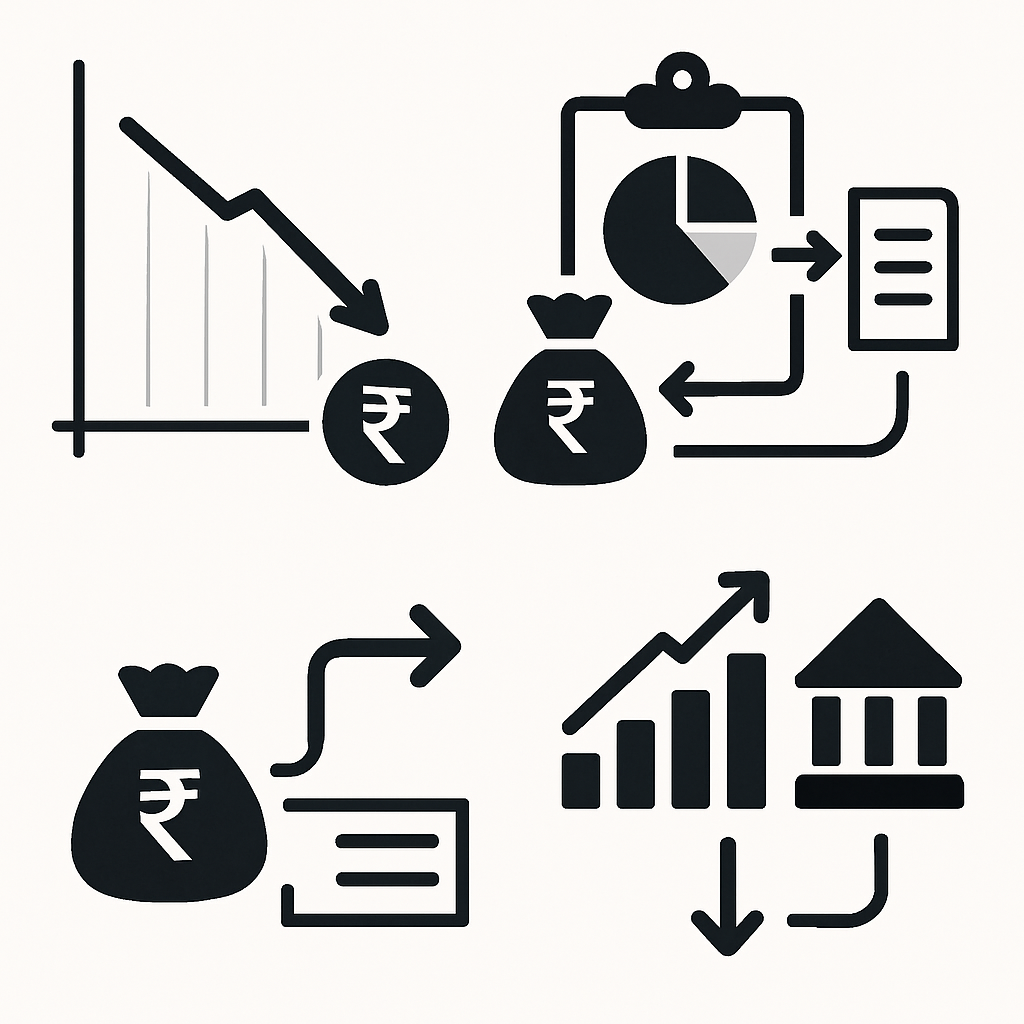
Rupee depreciation means the rupee buys fewer dollars than before. This matters because India imports important items such as crude oil, gold, electronics, and some raw materials. When import costs rise, companies may pass part of that increase to households through higher prices.
Urban families may notice pressure through petrol, diesel, cab fares, school expenses, gadgets, and imported goods. Rural households may feel it through diesel use, transport costs, fertiliser-linked inputs, and higher prices of daily essentials. Inflation also reduces the real value of savings when interest earned on deposits does not keep pace with rising prices.
Rising Fuel and Energy Prices
Fuel is one of the quickest channels through which a weak rupee reaches your wallet. India depends heavily on imported crude oil, so a stronger dollar can increase the rupee cost of oil. A report on crude prices and global unrest also linked rupee weakness with oil prices and trade disruptions.
Higher petrol and diesel costs affect more than personal commuting. They can raise logistics costs for vegetables, packaged foods, medicines, and daily-use goods. If you want a deeper household view, read PocketPlanGuru’s guide on why rising crude oil costs squeeze your household budget.
Food Inflation and Daily Essentials
Food prices can rise when transport, packaging, and imported inputs become costlier. Pulses, edible oils, dry fruits, spices, and processed foods may see pressure when the rupee weakens. Even locally grown goods can become more expensive if diesel and freight costs increase.
Rural families often spend a large share of income on essentials, so food inflation can hurt quickly. Urban families may notice smaller packet sizes, higher restaurant bills, or fewer discounts on groceries. A practical grocery plan can help you control costs without cutting nutrition or quality too sharply.
Education and Healthcare Expenses
Education costs can rise when schools and colleges use imported books, lab tools, software, or devices. Families planning overseas education may face a bigger hit because tuition and living costs are often linked to foreign currency. A weaker rupee can increase the INR amount needed for the same foreign fee.
Healthcare can also feel the impact through imported equipment, implants, and some medicines. Hospitals and clinics may raise charges when their input costs increase. Families should review health insurance, emergency funds, and major protection needs with a qualified advisor before costs become harder to manage.
Budget Steps for Different Income Groups
The rupee’s 3-month low affects every family, but not in the same way. A low-income household may focus on essentials, while a middle-class family may trim lifestyle spending. A higher-income family may need to manage travel, luxury purchases, and foreign-currency-linked goals more carefully.
Start with a simple monthly budget in INR and track actual spending for 30 days. Split expenses into needs, wants, and future goals so that cuts do not damage important priorities. This small habit can show where inflation hurts and where you can reduce spending without stress.
Low-Income Families
Low-income families can protect cash flow by buying more local produce and seasonal foods. Local items may face less direct currency pressure than imported or heavily branded alternatives. Bulk buying of staples can help if storage is safe, prices are reasonable, and the purchase does not strain cash flow.
Families should also check whether they are eligible for government subsidies and welfare schemes. Ration benefits, LPG support, and state-level assistance can reduce pressure on the kitchen budget. Avoid using high-interest personal loans or credit cards for routine expenses unless there is no safer alternative.
Middle-Class Households
Middle-class families should review subscriptions, food delivery, impulse shopping, and weekend travel. These costs may look small individually, but they can add up quickly during inflation. Savings from these cuts can support emergency funds, debt repayment, or long-term goals after you consult a financial advisor.
Fuel use also deserves attention during rupee weakness. Carpooling, public transport, fuel-efficient driving, and fewer short trips can reduce monthly pressure. For more context, see PocketPlanGuru’s explainer on how rising oil prices drive up your monthly expenses now.
Affluent Families
Affluent families may feel rupee weakness through foreign travel, imported gadgets, luxury cars, and overseas education. Dollar-linked spending can rise even if the product price abroad remains unchanged. Planning major foreign-currency expenses early can reduce last-minute forex stress.
Gold and luxury purchases need careful timing when the rupee is weak. Domestic alternatives may offer better value than imported options in some categories. Before changing large investment plans, consult a financial advisor who understands tax, risk, liquidity, and family goals.
Investment Portfolio Checks During Rupee Weakness
The rupee’s 3-month low can affect investments in different ways. Some companies face higher import costs, while exporters may benefit from foreign-currency earnings. Mutual funds, gold, bonds, and international funds can react differently to the same currency move.
Diversification helps because no one can predict currency movements with certainty. Track your asset mix across equity, debt, gold, real estate, cash, and any global exposure. If your portfolio has moved away from your planned allocation, consult a financial advisor before rebalancing.
Fixed Income Investments
Fixed income products such as FDs, bonds, PPF, EPF, and debt funds can look stable in nominal terms. However, inflation can reduce real returns if prices rise faster than interest income. This matters for retirees and families who depend on interest income for monthly expenses.
The RBI tracks inflation closely and uses tools such as the repo rate to manage price stability. You can follow official updates on the Reserve Bank of India website for policy signals. Avoid putting all savings into one type of product without discussing risk, tax, liquidity, and inflation with a financial advisor.
Gold and Real Estate
Gold often attracts attention when the rupee weakens because international gold prices are dollar-linked. Many Indian families see gold as a hedge during uncertain periods. However, gold prices can be volatile, so emotional buying can create risk.
You can compare physical gold, gold ETFs, and sovereign gold options based on cost, liquidity, and tax rules. Real estate may face pressure if construction inputs, fuel, or borrowing costs rise. Before buying property, review home loan rates, cash flow, emergency savings, and stamp duty impact with professional guidance.
Stocks and Mutual Funds
Equity markets such as Nifty, Sensex, NSE, and BSE can react to currency moves in mixed ways. Export-oriented sectors may gain from foreign-currency revenue, while import-heavy firms may face margin pressure. This is why a diversified equity portfolio often works better than chasing one currency theme.
SIP investors should not stop only because the rupee has weakened. Instead, review fund quality, time horizon, risk level, and goal alignment with a qualified advisor. For market context, PocketPlanGuru’s piece on why FIIs are returning to Indian stocks now can help you understand foreign flows.
Understanding Currency Risk and Hedging Options
Currency risk means your money can lose value because exchange rates change. This risk matters if you invest abroad, receive remittances, plan foreign travel, or pay overseas education fees. Even domestic investors feel it indirectly through inflation and imported costs.
A public post by ICICI Prudential Mutual Fund highlighted how a faraway conflict can influence fuel prices, the rupee, and investments. That is a useful reminder for Indian households. Global events may feel distant, but they can affect your monthly budget in Pune, Patna, Surat, or Kochi.
What Currency Risk Means for You
Currency risk becomes clear when you convert money from one currency to another. If the rupee falls, you need more INR to buy the same number of dollars. This can affect students, travellers, importers, and investors buying foreign assets.
For NRIs, rupee depreciation can create a different situation. A Bajaj Life Insurance article on a falling rupee explained how favourable conversion rates can help NRIs receive more rupees for the same foreign currency. NRIs should still check tax rules, repatriation rules, account type, and investment goals before acting.
Hedging Tools Available in India
Retail investors have limited but useful ways to reduce currency risk. International mutual funds, global index funds, and some fund structures may provide overseas exposure. Some products may use hedging, but investors must read the scheme document and consult a financial advisor before investing.
NRIs can use NRE and NRO accounts based on their needs and eligibility. Residents and businesses can explore RBI-permitted forex products through authorised banks. Investors can also check regulatory guidance from SEBI before using market-linked products.
Practical Portfolio Protection
Do not hedge blindly because hedging has costs, risks, and rules. First, list your real currency-linked needs, such as foreign education, travel, remittances, or overseas investments. Then match those needs with suitable savings or investment products after consulting a financial advisor.
Keep your portfolio spread across asset classes if it suits your risk profile and goals. Review your ITR, income tax position, insurance cover, debt burden, and long-term commitments before making changes. A calm review is better than reacting to every currency headline.
How Global Markets and Fuel Prices Add Pressure
Global markets play a major role in the rupee’s 3-month low. When crude prices rise, India’s import bill can increase because the country depends heavily on imported oil. A higher oil bill can pressure inflation, trade balances, and currency sentiment.
Geopolitical conflicts can also push investors toward safe-haven currencies such as the US dollar. When global investors reduce exposure to emerging markets, currencies like the rupee can weaken. These moves can affect foreign flows into Indian stocks and bonds.
Crude Oil and the Rupee
Crude oil is central to India’s inflation story. Diesel moves goods across the country, while petrol affects commuting and service costs. When oil becomes costlier in dollar terms, a weak rupee can make it even more expensive in INR.
This can raise fuel prices, freight costs, and prices of everyday goods. The RBI may watch these price pressures while setting monetary policy. Households should track fuel use because it links directly to monthly cash flow.
Global Unrest and Currency Volatility
Global unrest can create sudden shifts in currency markets. Investors often choose the US dollar when uncertainty rises. This demand can strengthen the dollar and weaken emerging-market currencies, including the rupee.
Such volatility can affect Nifty and Sensex sentiment, especially when foreign investors sell. Importers may face higher costs, while exporters may gain from better rupee revenue. The net impact depends on the business, sector, currency exposure, and market mood.
RBI and US Fed Policy Signals
The RBI can intervene in the forex market to reduce sharp rupee moves. It can also use policy signals, liquidity tools, and interest rate decisions to manage inflation. The US Federal Reserve also matters because higher US rates can attract global capital toward dollar assets.
Indian investors should watch RBI policy updates, inflation data, and global rate signals. You can also track market movements on the National Stock Exchange of India website. Avoid rushed portfolio changes based only on short-term currency headlines.
FAQ on Rupee Depreciation, Budgeting, and Investments
Rupee weakness can feel confusing because it affects many parts of money life at once. It can raise costs, change returns, and influence market mood. These answers simplify common doubts for Indian households and investors.
How does rupee depreciation increase inflation in India?
Rupee depreciation raises the INR cost of imported goods. Fuel, gold, edible oils, electronics, and some medicines can become costlier when the dollar strengthens against the rupee. These higher costs can move through transport, food, healthcare, and household bills.
Should I continue investing in equity SIPs during currency weakness?
You should not stop SIPs only because the rupee is weak. Currency moves can affect sectors and funds in different ways. Review your fund mix, time horizon, and risk level with a financial advisor before making changes.
What is the best way to manage rising household expenses now?
Start by tracking your monthly spending and separating needs from wants. Cut discretionary costs such as frequent dining, unused subscriptions, and impulse shopping. Protect essentials such as food, rent, insurance, school fees, and medical needs first.
Can NRIs benefit from rupee depreciation?
NRIs may receive more rupees when they convert foreign currency into INR. This can help them invest in rupee assets if it fits their goals. They should check tax rules, account type, repatriation terms, and risk before investing.
What hedging tools are accessible to Indian retail investors?
Retail investors can explore international funds, global index funds, and eligible bank products after checking suitability. NRIs can use NRE and NRO accounts based on their status and needs. Speak to a certified financial advisor before using any hedging tool.
Review Your Budget and Portfolio Today
The rupee’s 3-month low is a reminder to stay alert, not anxious. Review your grocery bill, fuel use, debt, insurance, emergency fund, and investment mix before inflation eats into your plans. Small steps today can protect your household budget and long-term wealth.
If you found this guide useful, keep learning with PocketPlanGuru’s practical explainers on budgeting, investing, tax, and market trends. Subscribe to PocketPlanGuru and explore more guides that help you make smarter money decisions in India. Acting early can help you handle rupee volatility with more confidence.
Disclaimer: The information above is for educational purposes only and does not constitute financial advice.