

What SEBI’s Digital Onboarding Proposal Changes for NRIs
SEBI’s proposed digital onboarding framework could make it easier for eligible NRIs, OCIs, and foreign nationals to complete securities market KYC from outside India. The proposal is aimed at reducing the need for physical presence in India during digital KYC, re-KYC, and certain account updates. It does not remove tax rules, RBI requirements, product-level checks, or intermediary due diligence.
The change matters because many overseas Indians still face paper-heavy account opening when they want to invest in Indian equities, mutual funds, or Portfolio Management Services. A BusinessToday report on SEBI’s NRI KYC proposal says the regulator wants to allow digital KYC from abroad for eligible individual Persons Resident Outside India. If finalised, the proposal may reduce onboarding friction while keeping identity verification, location checks, and compliance safeguards in place.
Understanding SEBI’s Digital Onboarding Proposal for NRIs and OCIs
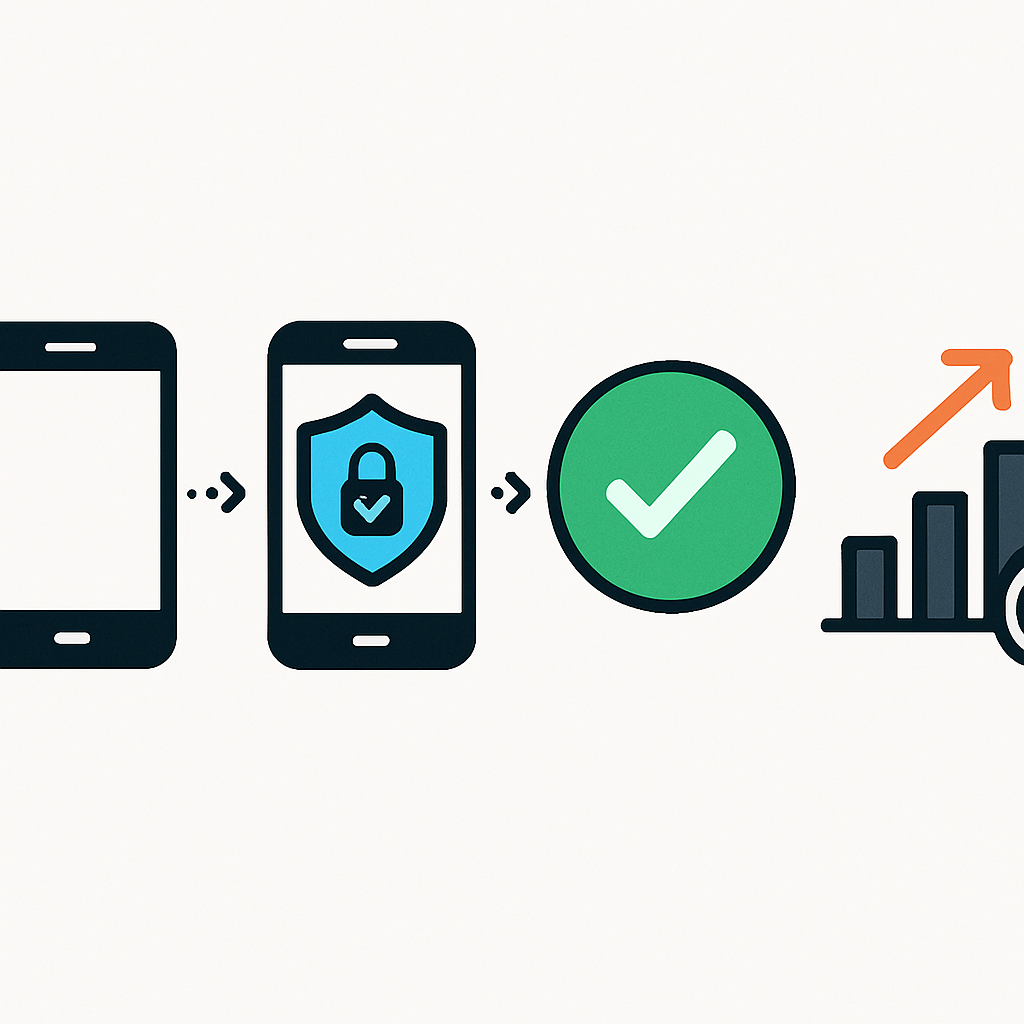
SEBI has proposed that NRIs, OCIs, and eligible foreign nationals should be able to complete digital KYC without being physically present in India. Based on the available reports, the relaxation would apply to individual Persons Resident Outside India, or PROIs, located in Financial Action Task Force compliant countries. This is meant to improve access to India’s securities market while maintaining anti-money laundering and investor verification standards.
For many NRIs, the existing process can feel out of sync with the rest of digital finance. A person may be able to manage bank accounts, credit cards, loans, and investments online, yet securities KYC can still involve physical paperwork or India-based video verification constraints. SEBI’s proposal attempts to close that gap for eligible investors by allowing remote verification from abroad.
What Changes Under the New SEBI KYC Proposal
Under the current framework, digital KYC can become difficult when video verification or geo-tagging expects the applicant to be physically present in India. The new proposal seeks to relax that barrier for eligible PROIs who are outside India. A LinkedIn update discussing the relaxed geo-tagging requirement also highlights how this could help NRIs with digital KYC, re-KYC, and modifications from overseas.
The relaxed geo-tagging requirement is one of the most practical parts of the proposal. Earlier, location checks could create problems for investors sitting in Dubai, Singapore, London, New York, or other overseas locations. With remote verification, intermediaries may be able to onboard eligible investors while still recording identity details, location information, documents, and audit trails.
Who Is Eligible and Which Countries Are Covered
The proposal does not appear to open digital onboarding equally to every overseas location. Based on the research available, it covers NRIs, OCIs, and foreign nationals who are individual PROIs located in FATF-compliant countries. Investors should confirm their country status and check the latest instructions from their broker, KYC Registration Agency, fund platform, or PMS provider before starting the process.
Reuters has also reported that SEBI proposed digital onboarding for individual foreign investors, suggesting a wider push to simplify regulated market access. You can read the Reuters report on individual foreign investor onboarding for additional context. Even if the proposal is finalised, each intermediary may still follow its own operating checklist, risk controls, and document standards.
How NRIs Can Prepare for Digital KYC from Abroad
The exact process may differ by broker, mutual fund platform, registrar, KYC Registration Agency, or SEBI-registered intermediary. In most cases, the core journey will involve submitting identity details, uploading documents, completing verification, and waiting for approval before investment access is activated. Investors should treat the proposal as an easing of onboarding logistics, not as automatic approval for every account or product.
Before starting, keep your documents ready in clear digital format. Your name, date of birth, PAN, passport details, bank records, and address proof should match as closely as possible across documents. Small mismatches can delay KYC, especially when the investment account is linked to NRE, NRO, or other approved banking arrangements.
Documents and Technical Requirements
You will generally need a valid passport, PAN, overseas address proof, photograph, and bank account details. The intermediary may also ask for NRI status proof, tax residency information, FATCA declarations, and other regulatory confirmations. Keep original documents nearby because the video verification officer may ask you to display them during the session.
Good internet access can make the verification process much smoother. A weak connection may blur your face, cut audio, interrupt document capture, or force the session to be repeated. Use a quiet room, a working camera, a charged device, and official links or apps shared by the intermediary.
Video KYC and Remote Geo-Tagging
During video KYC, the intermediary verifies your face, documents, and live presence. You may be asked basic questions to confirm identity details, account purpose, and submitted information. If SEBI finalises the proposal in the reported form, eligible NRIs abroad may not need to appear as physically located in India for this step.
This is where SEBI’s digital onboarding proposal could create the biggest day-to-day improvement. An NRI working in the Gulf, studying in Europe, or living in North America may avoid courier delays and unnecessary travel plans for KYC completion. Investors should still use only official intermediary platforms and should avoid links received through unverified messages or social media accounts.
Approval, Corrections, and Account Activation
After verification, the intermediary will review the KYC record and either approve it or ask for corrections. You may receive confirmation from your broker, mutual fund platform, PMS provider, or KYC Registration Agency once the record is updated. Keep that confirmation safely because it may help during account opening, re-KYC, or future modifications.
Once the KYC record is approved, you may still need to complete bank linking, nominee registration, product selection, and risk disclosures. Easier onboarding should not be confused with a recommendation to invest immediately. Review costs, risk, liquidity, taxation, and repatriation requirements, and consult a financial advisor before making investment decisions.
Impact on NRI Investment Products
Digital onboarding can make access easier across several SEBI-regulated products. Equity trading accounts, mutual fund platforms, and Portfolio Management Services may benefit from smoother KYC checks. Product rules, bank account requirements, repatriation processes, and tax treatment can still differ widely.
For Indian market exposure, NRIs often look at direct stocks, mutual funds, PMS strategies, REITs, InvITs, and other securities market products. Easier KYC may help them complete the access process faster when they are eligible and documents are in order. For broader market context, readers can also explore why investors track FPI activity in Indian IT stocks.
Equity Investments and PIS Account Updates
Equity investing for NRIs may involve PIS or non-PIS routes, depending on the account type, bank arrangement, and transaction nature. Digital KYC may reduce the time needed to begin the account opening journey. Brokers may still ask for bank approvals, account mapping, regulatory declarations, and additional checks before enabling trading.
Easier onboarding may improve access to NSE and BSE trading through registered brokers. An Instagram post by Zerodha discussed how online onboarding could make NRI account opening simpler compared with physical paperwork. Investors should still understand settlement rules, brokerage charges, tax impact, and account restrictions before placing trades.
Mutual Funds, SIPs, and One-Time Investments
Mutual funds may see a clear benefit because many NRIs prefer online SIPs and one-time investments. Faster KYC completion or updates can reduce delays when starting a SIP, changing details, or using a new platform. Fund houses, registrars, and distributors may use updated digital records to make compliance smoother.
NRIs should check whether a fund house or platform accepts investors from their country of residence. Some intermediaries may have additional restrictions because of overseas laws, FATCA reporting, or internal compliance policies. If you are comparing mutual funds with fixed income alternatives, you can read PocketPlanGuru’s guide to long-dated G-Secs and fixed income considerations.
Portfolio Management Services and Foreign Investor Access
PMS onboarding usually involves deeper suitability checks and more documentation than basic mutual fund KYC. Digital verification may reduce paperwork, but it will not remove product-level agreements, risk profiling, or SEBI-mandated disclosures. PMS providers must still follow regulatory requirements and confirm whether the client is eligible for the offered service.
Foreign nationals and certain individual foreign investors may also benefit from simpler verification if SEBI’s proposal is implemented as reported. FPIs follow a separate framework, so investors should not assume that the same onboarding process applies to every category. If you want to understand listed real asset products, read what SEBI’s rules mean for REITs and InvITs.
Tax and Compliance Implications for NRIs
Digital KYC changes the onboarding experience, not Indian income tax law. Your tax residency, source of income, capital gains, dividends, interest, and reporting obligations still matter. NRIs must track Indian income and file an ITR where required under the applicable income tax rules.
Cleaner digital records can still be helpful for tax compliance. Updated KYC, bank details, and transaction records may make it easier to collect statements from brokers, fund houses, banks, and PMS providers. For official investor guidance, readers can also refer to the SEBI investor website.
Capital Gains and Indian Tax Filing
SEBI’s proposal does not change capital gains tax rules for equities, mutual funds, or other securities. Tax treatment depends on the asset type, holding period, investor status, and law applicable at the time of sale or redemption. Keep contract notes, capital gains statements, tax deduction details, and bank records ready for ITR filing.
Many NRIs also hold products such as NPS, EPF, insurance policies, bank deposits, or older resident investments. Each product can have separate eligibility, reporting, and tax rules after a person becomes non-resident. For tax planning or product selection, consult a qualified tax professional or financial advisor.
FATCA, DTAA, and Residency Declarations
During onboarding, NRIs usually submit FATCA and tax residency declarations. These details help intermediaries meet reporting obligations and classify investors correctly. Incorrect declarations can create delays, account restrictions, or compliance queries later.
DTAA benefits depend on your country of tax residence and the type of income involved. Digital onboarding does not automatically grant treaty relief or reduce tax deduction in every case. Maintain tax residency certificates, overseas tax details, and supporting documents if you intend to claim any treaty benefit.
TDS and Post-Investment Documentation
TDS may apply to dividends, interest, redemptions, or other income depending on Indian tax rules. The applicable rate can vary by income type, investor status, documents submitted, and law in force. Brokers, fund houses, banks, or PMS providers may issue statements after deduction.
For repatriation, banks may ask for tax proof and remittance documents. Forms such as 15CA and 15CB may apply in relevant cases depending on the transaction and applicable rules. RBI and FEMA requirements also matter, so refer to the Reserve Bank of India for official foreign exchange guidance.
Repatriation of Funds After Digital Onboarding
Smoother KYC can support better documentation, but it does not change RBI repatriation norms. NRIs must still follow banking, tax, and FEMA-related requirements when moving funds out of India. The process can vary depending on whether the money is held through NRE, NRO, or other approved accounts.
Equity, mutual funds, PMS, and other investment products may also have different redemption and settlement procedures. Your bank may ask for proof of source, tax payment, investment statements, and redemption documents before allowing remittance. Keeping records from the first day can make later repatriation easier and reduce avoidable queries.
Equity and Mutual Fund Proceeds
For equity and mutual fund redemptions, proceeds usually move through the linked bank account. Repatriation depends on account type, investment route, tax compliance, and RBI rules. Digital KYC can help because the investor profile and documents are more likely to remain current.
NRIs should track holding periods before selling any investment. Tax impact, TDS, and bank documentation can affect the final amount available for transfer. Speak with your bank, tax advisor, and financial advisor before making large remittances from India.
PMS and Other Investment Vehicles
PMS accounts may need separate confirmations from the portfolio manager, custodian, or bank. Product terms, exit rules, settlement timelines, and lock-ins can affect when money becomes available. The KYC proposal may simplify identity checks, but product paperwork may still remain detailed.
Other securities such as REITs, InvITs, bonds, or structured products may have different liquidity and settlement features. Some products may also require additional disclosures or confirmations before exit or transfer. Read the account documents carefully and consult a financial advisor before committing large sums.
Common Challenges and Practical Fixes
SEBI’s digital onboarding proposal should reduce friction, but online processes can still fail. Common issues include poor video quality, document mismatch, unclear scans, expired address proof, and incorrect tax residency details. Preparing documents in advance can save several days of back-and-forth with the intermediary.
Coordinate early with your broker, KRA, bank, registrar, or PMS provider. Ask which documents they accept, whether attestation is needed, and whether your country qualifies under the FATF-compliant location requirement. Also check whether the proposal has been finalised and implemented by that specific intermediary before relying on remote onboarding.
Troubleshooting Video KYC Issues
Use a stable internet connection and test your camera before the session. Keep your passport, PAN, address proof, phone, and email access ready. Choose a quiet place with good lighting so the verifier can see your face and documents clearly.
If your intermediary offers fixed video KYC slots, book a time that works for your time zone. Avoid joining from public Wi-Fi, shared office networks, or devices that you do not control. If the session fails, ask for a fresh link only through official customer support channels.
Managing Updates Remotely
After onboarding, you may need to update your overseas address, bank details, nominee, email, mobile number, or tax residency. Use only registered digital platforms or official intermediary portals for these submissions. Keep original documents accessible in your country of residence because they may be needed for verification.
Re-KYC may become simpler if SEBI finalises the proposal in the reported form. Updated geo-tagging rules may help eligible NRIs avoid unnecessary travel for modifications and periodic updates. Continue checking SEBI circulars, intermediary emails, and official platform notices for final instructions.
Frequently Asked QuestionsCan NRIs from any country use SEBI’s digital onboarding
No, the proposal is reported to apply to eligible individual PROIs located in FATF-compliant countries. NRIs, OCIs, and foreign nationals should confirm their eligibility before starting the process. Your broker, KRA, fund platform, or PMS provider may also apply additional checks.
Does digital onboarding change my Indian tax obligations
No, digital onboarding does not change Indian tax rules. You still need to track capital gains, dividends, TDS, and ITR filing requirements where applicable. For personalised tax treatment, consult a qualified tax advisor.
Are all NRI investments covered under the proposal
The proposal can help with securities market access, but product rules differ. Equity accounts, mutual funds, and PMS accounts may still have separate documents, declarations, and bank-linking requirements. Intermediaries may also apply their own operational and compliance checks.
How soon can I start investing after digital KYC
The timeline will depend on the intermediary and the completeness of your documents. KYC approval, bank verification, nominee registration, and product-level checks can add time. Do not assume that video KYC completion alone means every investment account is ready for use.
Will digital onboarding make repatriation easier
It may make documentation cleaner because your identity and account records are updated digitally. However, RBI norms, tax proof, bank review, and product redemption rules will still apply. Speak with your bank and consult a financial advisor before large transfers.
Start Your NRI Investment Journey with Better Preparation
SEBI’s digital onboarding proposal could be a major step toward easier Indian securities market access for eligible NRIs and OCIs abroad. It may reduce paperwork, travel pressure, courier delays, and unnecessary friction while keeping compliance checks active. The biggest benefit is not only speed, but a more practical route to regulated investing from outside India.
Before investing, review your goals, risk capacity, tax status, repatriation needs, and country-specific restrictions. Easier onboarding should be treated as a gateway to better access, not as investment advice. Consult a financial advisor for personalised guidance, especially if you hold assets across multiple countries.
Disclaimer: The information above is for educational purposes only and does not constitute financial advice.
103 Comments