


Why the Sify Infinit Spaces IPO Valuation Gap Matters
Sify Infinit Spaces is drawing attention because it is reported to be seeking a valuation of up to $4.2 billion in its planned IPO. The company aims to raise ₹37 billion, making the issue significant for India’s public markets and for retail investors looking at new infrastructure themes. The Sify Infinit Spaces IPO Valuation Gap matters because investors need to judge whether the expected premium is supported by long-term business strength.
According to reports on its IPO filing, the issue includes fresh equity shares worth up to ₹25,000 million and an offer for sale worth up to ₹12,000 million. The research summary also says retail investors are expected to receive a 35% allocation. That combination makes the IPO important, but it does not remove the need to study valuation, risk factors, and personal suitability with a financial advisor.
Understanding the IPO Valuation Gap
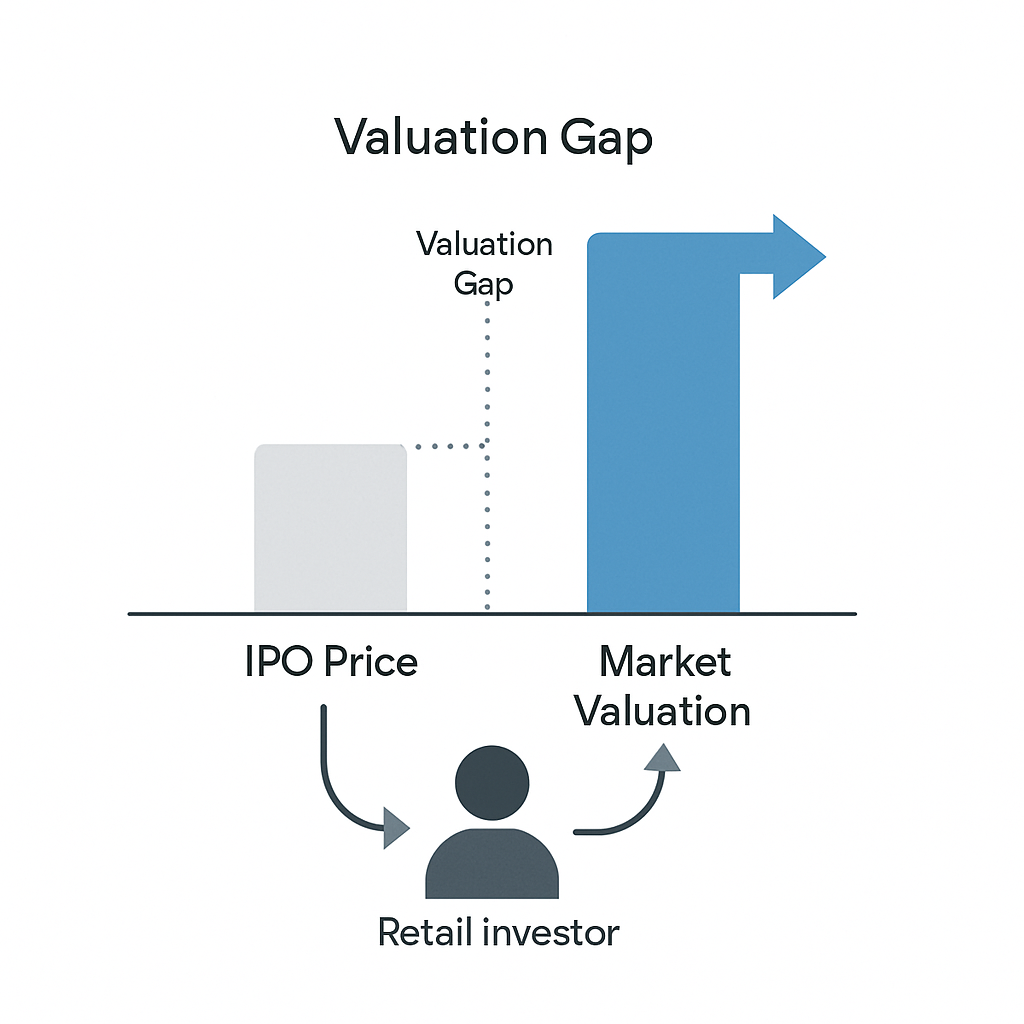
An IPO valuation gap is the difference between the price a company seeks in a public issue and what investors believe the business may be worth. This gap can widen when a company operates in a high-growth sector, especially when listed comparisons are limited. In Sify Infinit Spaces’ case, the data center theme is linked to India’s digital economy, cloud adoption, fintech platforms, streaming services, and enterprise technology demand.
The Sify Infinit Spaces IPO Valuation Gap is not only about one headline number. It reflects market mood, future growth expectations, scarcity value, and the way investors price capital-heavy digital infrastructure. Since this is described in the research as India’s first data center IPO, retail investors may find it harder to compare the company with direct listed peers on the NSE or BSE.
What is a Valuation Gap?
A valuation gap appears when the IPO price implies one value, while investors believe fair value may be lower or higher. Companies and bankers often price an IPO by looking at expected growth, sector demand, and investor appetite. Retail investors usually need to compare that optimism with revenue quality, debt levels, operating cash flow, capital expenditure needs, and broader market risk.
This gap can come from strong demand, scarcity of similar listed companies, or aggressive pricing. It can also appear when future growth is attractive but current financial metrics are still catching up. In a new listed theme such as data centers, investors may need to rely more heavily on official filings and less on market chatter.
Why Sify Infinit Spaces May Command a Premium
Sify Infinit Spaces may command a premium because it offers exposure to a fresh listed theme in India’s equity market. A market note describing it as India’s first data center IPO says the company operates 14 facilities across 6 cities with 188 MW of IT power. The same note links the business to cloud, AI, UPI, and digital media demand, which explains why investors may see the company as part of India’s technology infrastructure buildout.
The valuation gap also exists because data centers require large upfront investment before full returns are visible. Expansion can support future revenue, but it also creates pressure through debt, power costs, cooling systems, land, security, and maintenance. Retail investors may find it useful to review the draft red herring prospectus and consult a financial advisor before deciding whether the premium fits their risk profile.
Risk and Reward Analysis for Retail Investors
The reward case rests on the long-term need for more data center capacity in India. Cloud services, digital payments, e-commerce, streaming, government platforms, and enterprise software all depend on reliable data infrastructure. Sify’s reported operating history in data centers may also appeal to investors who prefer businesses connected to physical infrastructure rather than purely digital platforms.
The risk case rests on valuation, debt, capital intensity, and long payback periods. Data centers can become valuable assets, but they need continuous investment in energy, cooling, connectivity, land, and security. A strong sector theme can support investor interest, but it cannot guarantee listing gains or long-term shareholder returns.
IPO Pricing Strategy and Retail Allocation
The IPO aims to raise ₹37 billion, and retail investors are expected to receive a 35% allocation based on the research summary. That retail quota makes the issue relevant for small investors, especially those who follow IPOs through broker platforms and market updates. However, a quota only describes allocation structure and does not prove that the IPO is cheap, safe, or suitable for every investor.
Pricing will influence both subscription demand and possible listing performance. If the price band leaves room for investors to benefit from future growth, sentiment may remain supportive. If the valuation appears stretched compared with financial performance and risks, demand may become more selective even when the broader IPO market is active.
Financial Health and Debt Repayment
The research summary says Sify Infinit Spaces plans to use IPO proceeds for expansion and debt repayment. It specifically mentions expansion in Chennai and Navi Mumbai, along with a ₹600 crore debt repayment plan. Debt reduction can improve financial flexibility, but investors still need to study the company’s full balance sheet, cash flows, and future funding needs.
Debt matters because data centers are capital-heavy businesses that depend on high utilisation and long-term customer relationships. If capacity grows faster than demand, returns can take longer to appear. Interest rates, power costs, and construction timelines can also affect profitability in infrastructure-linked businesses.
Sector Outlook for Data Centers in India
India’s data center story looks attractive because digital usage continues to expand across consumers, businesses, and public services. AI demand can increase the need for advanced compute capacity, higher power density, better cooling, and secure storage. Cloud adoption by banks, startups, telecom companies, insurers, and large enterprises can also support long-term demand.
Competition remains a meaningful risk for the sector. Indian and global operators may add capacity at the same time, which can affect pricing if supply grows faster than demand. Retail investors may need to track whether Sify Infinit Spaces can convert industry growth into revenue, margins, and cash flow after listing.
Sify Infinit Spaces and Indian Market Sentiment
Market sentiment often decides whether an IPO receives an enthusiastic or cautious response. When domestic liquidity is strong and mutual fund inflows remain healthy, new issues can attract wider participation. When global risk appetite weakens, foreign investor selling or rate concerns can reduce enthusiasm even for promising sectors.
For a broader market view, PocketPlanGuru readers can review our explainer on why smart investors watch Rs 23,000 crore FII outflows. IPO appetite can weaken when foreign investors pull money from Indian equities. This matters because even a strong business theme may face pressure if the market mood turns cautious during the subscription or listing period.
Investor Sentiment on Infrastructure and Tech IPOs
Retail investors often respond positively to IPOs that combine growth with real assets. Data centers fit that category because they are physical infrastructure supporting digital services, cloud platforms, and enterprise computing. This makes Sify Infinit Spaces different from many consumer internet or app-based listings.
Cautious optimism may be more useful than blind enthusiasm. A new sector, strong brand association, or first-mover narrative does not remove valuation risk. Investors can compare the IPO with their existing exposure through direct stocks, mutual funds, infrastructure funds, and technology funds before consulting a financial advisor.
Regulatory and Policy Environment
SEBI rules require IPO documents to disclose financial information, risk factors, related-party transactions, use of proceeds, and other material details. Investors can check public documents and circulars through the SEBI website. These disclosures help retail investors move beyond headlines and ask better questions before participating in an IPO.
Listing on Indian exchanges also brings ongoing market scrutiny. Investors can monitor listing details, trading updates, and exchange notices through the NSE website. For IPO learners, our guide on what SEBI’s new closing auction means for your trading explains why market structure can affect trading behaviour.
AI and Emerging Technologies Driving Demand
AI is one reason data centers are receiving market attention. Advanced AI workloads require reliable power, high-performance servers, cooling systems, network resilience, and strong security. A data center industry update on Sify’s planned IPO links the valuation discussion to hyperscale expansion across India.
Future growth will depend on how quickly Indian companies adopt AI and cloud tools. Banks, insurers, telecom firms, public platforms, and large enterprises may contribute to rising infrastructure demand. Shareholder returns will still depend on execution, utilisation, pricing power, and the company’s ability to turn demand into cash flow.
How to Evaluate the IPO Like a Pro Retail Investor
The Sify Infinit Spaces IPO Valuation Gap should push investors to read beyond headline valuation numbers. The draft red herring prospectus can show how much money goes to the company through the fresh issue and how much goes to selling shareholders through the offer for sale. This distinction matters because fresh issue proceeds can support expansion or debt repayment, while offer for sale proceeds go to existing shareholders.
Investors can also compare the IPO with their broader asset allocation. Someone already holding technology, infrastructure, or broad-market mutual funds may already have indirect exposure to similar themes. If the valuation or risk profile feels difficult to judge, it is better to consult a financial advisor than rely only on grey market discussions or social media posts.
Financial Metrics to Watch
Key metrics include revenue growth, EBITDA margins, debt levels, operating cash flow, and capital expenditure plans. Data centers require large investment, so free cash flow can remain under pressure during expansion phases. Investors may need to check whether existing capacity generates enough earnings to support new projects without excessive balance sheet strain.
Debt repayment can improve the financial profile, but future expansion may still require additional funding. Utilisation rates, customer contracts, pricing terms, and project completion timelines can become important after listing. These numbers should be read together because a strong growth story can look very different if cash flows are weak or debt remains high.
Pricing and Potential Listing Gains
Listing gains depend on the final price band, institutional demand, retail subscription, and market sentiment during listing week. A company may have a strong business model and still deliver modest listing gains if the IPO is priced aggressively. A supportive market can help, but it cannot fully offset valuation concerns.
Grey market chatter can be unreliable and may change quickly before listing. Many investors in past IPOs have faced losses after relying too heavily on short-term premium talk. A more disciplined approach is to study the valuation, read the risk factors, and consult a financial advisor before committing money.
Lock-In and Exit Considerations
Promoter and shareholder lock-in rules can affect share supply after listing. SEBI norms determine when certain pre-IPO investors and promoters can sell shares. Retail investors can review these details in the offer documents instead of assuming that post-listing liquidity will always remain smooth.
Exit planning also matters from a personal finance perspective. Money needed for tax payments, school fees, insurance premiums, loan EMIs, or near-term family needs may not suit a volatile IPO exposure. Investors who are unsure about time horizon, liquidity needs, or risk capacity can consult a financial advisor before participating.
Common Mistakes Retail Investors Should Avoid
The biggest mistake is treating India’s first data center IPO as a guaranteed winner. A new asset class can create excitement, but excitement can also inflate valuations. The Sify Infinit Spaces IPO Valuation Gap deserves calm review because a strong sector and a strong investment are not always the same thing.
Another mistake is ignoring the offer for sale component. The reported IPO structure includes up to ₹12,000 million from existing shareholders. That does not automatically make the issue unattractive, but it does mean investors should understand where the IPO money is going.
Falling for Hype Without Research
IPO buzz can spread quickly through WhatsApp groups, broker notifications, social media posts, and trading channels. Many posts focus on possible listing gains while ignoring debt, margins, capex, and risk factors. Retail investors can verify key facts through official filings, exchange updates, SEBI documents, and credible news reports.
Bloomberg reported that Sify Infinit is said to seek a valuation of up to $4.2 billion in the India IPO. That figure may attract attention, but it should not be the only reason for investor interest. A high valuation requires strong execution, sustained demand, and disciplined financial management after listing.
Overlooking Long-Term Market Trends
Data center demand may grow, but the business can still face cycles. Power costs, land availability, competitive supply, customer concentration, and policy changes can all influence returns. Inflation and interest rates can also change investor appetite for capital-heavy businesses.
Global events matter because cloud, AI, and technology infrastructure are linked to worldwide spending trends. For a macro lens, see our article on why the US Fed rate hike matters for your loans. Rate changes can affect liquidity, borrowing costs, and equity valuations in India, including IPO valuations.
FAQs on Sify Infinit Spaces IPO Valuation and InvestmentWhat is an IPO valuation gap?
An IPO valuation gap is the difference between the price sought in an IPO and the value investors believe the company deserves. It matters because paying too high a price can reduce future returns even if the business operates in an attractive sector. In Sify Infinit Spaces’ case, the gap is important because the IPO is linked to a new listed theme in India.
How much does Sify Infinit Spaces plan to raise?
The company aims to raise ₹37 billion through the IPO, based on the verified research summary. Reports say the issue includes fresh equity shares worth up to ₹25,000 million and an offer for sale worth up to ₹12,000 million. Retail investors are expected to receive a 35% allocation, subject to the final IPO structure and regulatory process.
How will the IPO proceeds be used?
The research summary says the company plans to use funds for expansion and debt repayment. It mentions expansion in Chennai and Navi Mumbai, along with ₹600 crore for debt repayment. Investors can confirm the final use of proceeds in the IPO documents before making any decision with a financial advisor.
What are the main risks for retail investors?
The main risks include valuation premium, high capital expenditure, debt, competition, execution delays, and changing market sentiment. Data centers can benefit from digital growth, but they also require large and continuous investment. Retail investors can study the red herring prospectus, subscription data, and risk disclosures before consulting a financial advisor.
How does AI affect Sify Infinit Spaces’ outlook?
AI can increase demand for data center capacity because advanced computing needs reliable power, cooling, storage, and connectivity. This can support long-term sector growth if Indian enterprises, banks, telecom firms, and public platforms adopt AI tools at scale. The actual benefit for shareholders will depend on Sify Infinit Spaces’ execution, pricing power, utilisation, and cash flow after listing.
Final Takeaway for Retail Investors
The Sify Infinit Spaces IPO Valuation Gap is a useful reminder that a great theme and a great investment are not always identical. Data centers may become a vital part of India’s digital future, but IPO pricing decides the investor’s entry point. Retail investors can review the valuation gap, business fundamentals, and personal risk capacity with a financial advisor before participating.
Facts, filings, and financial planning matter more than hype. Money needed for SIPs, insurance, loan EMIs, taxes, or near-term family expenses may not be suitable for volatile IPO exposure. For more simple, India-focused money insights, readers can follow PocketPlanGuru and explore our latest guides before making their next investment decision.
Disclaimer: The information above is for educational purposes only and does not constitute financial advice.