


Understanding Inflation’s Impact on Indian Household Expenses
Inflation means the cost of goods and services rises over time, so the same income buys fewer items than before. For Indian households, the pressure can show up in groceries, fuel, transport, utilities, healthcare, education, loan payments, and small daily purchases. The rising inflation impact on your household budget is usually felt through many small increases rather than one single large bill.
As explained by How Inflation Affects Your Budget and Savings, groceries, gas, utilities, transportation, and entertainment can become costlier during inflation. When two or three essential categories rise at the same time, monthly planning becomes harder for families that already run tight budgets. A practical response starts with reviewing real expenses, prioritising essentials, and reducing non-essential spending where possible.
Food Staples and Grocery Inflation
Food inflation often affects households quickly because groceries are bought frequently. Essentials such as grains, vegetables, pulses, milk, cooking oil, and packaged staples can take a larger share of the monthly budget when prices rise. Since food cannot be skipped, families may respond by comparing prices, buying seasonal produce, reducing waste, and planning meals more carefully.
A grocery basket that earlier lasted a full week may start feeling smaller even when the bill amount looks familiar. This is one of the clearest ways inflation changes daily money decisions, because households may switch brands, reduce discretionary snacks, or postpone non-essential purchases. The goal is not to compromise nutrition, but to make the food budget more deliberate and less reactive.
Fuel and Transportation Cost Increases
Fuel and transportation costs affect more than personal commuting. When fuel becomes costlier, travel, delivery, and movement of goods can become more expensive too. This can indirectly influence the prices households pay for groceries, services, and regular errands.
Daily office travel, school transport, auto fares, and app-based rides can all strain budgets when prices rise. Families with long commutes may spend more each month even without changing their routine. If loan repayments or credit card dues are already part of the budget, higher transport costs can create an additional cash-flow squeeze.
Healthcare, Education, and Utilities
Inflation can also make healthcare, education, and utility expenses harder to manage. Medical spending is difficult to postpone, especially for families with children, senior citizens, or ongoing treatment needs. You can also read our guide on How Does IRDAI Moratorium Clause Protect Health Claims? to understand health insurance claim safeguards better.
Electricity, cooking gas, water charges, maintenance costs, and communication bills may look manageable individually, but together they can affect monthly cash flow. When income does not rise at the same pace, households usually cut leisure, shopping, eating out, and travel first. A regular review of utility use and recurring bills can help identify avoidable leakage.
How Inflation Hits Different Income Segments in India
Inflation does not affect every household in the same way. Impact of Inflation by Household Income found that lower-income households spend more of their budget on goods and services that are more affected by inflation. The same research estimated that the average U.S. household needed to spend around $3,500 more in 2021 for the same consumption level, but that figure is from U.S. research and should not be treated as an Indian household estimate.
In India, lower-income families may feel pressure first on food, rent, transport, and basic services. Middle-class households may still meet essentials but reduce discretionary shopping, vacations, subscriptions, or additional savings. Higher-income households may have more flexibility, but inflation still reduces purchasing power and can change lifestyle decisions.
Impact on Low-Income and Daily Wage Households
Low-income and daily wage households often face the toughest pressure because essentials form a large part of their spending. Higher food, transport, and utility costs leave less room for rent, school needs, healthcare, or emergency expenses. If income is irregular, inflation can push households toward borrowing for basic needs.
Eligible families may need to check support available through local welfare channels and public distribution systems. Such support can reduce pressure on essential food expenses, though it cannot remove inflation completely. Keeping documents, bank details, and mobile numbers updated can help households avoid missing benefits for which they are eligible.
Effect on Salaried and Middle-Class Families
Salaried families often feel inflation through rising grocery bills, school costs, commuting expenses, insurance premiums, and loan repayments. If interest rates rise in response to inflation, floating-rate loans and some new borrowing can become more expensive over time. This can affect home loans, personal loans, and credit card repayment decisions.
Middle-class households also have to balance long-term goals with monthly pressure. Tax planning, retirement savings, insurance, children’s education, and emergency funds may all compete for the same salary. A fresh budget review helps families decide what must continue, what can be reduced, and what should be paused temporarily.
High-Income Households and Inflation
High-income households also face rising prices, but they usually have more room to adjust. They may change brands, reduce premium services, delay travel, or postpone luxury purchases without affecting essentials. Even so, inflation can reduce purchasing power across income groups and make long-term planning more complex.
Market-linked assets may form part of some household portfolios, but inflation should not trigger impulsive investment decisions. Prices, interest rates, and business costs can influence markets in different ways, and no outcome is assured. For personal portfolio decisions, consult a SEBI-registered investment adviser.
Indian Financial Instruments and Inflation
Inflation can affect savings because cash loses purchasing power when prices rise. Some households review instruments such as provident fund options, small savings schemes, pension products, deposits, gold, or inflation-linked securities as part of long-term planning. This article does not recommend any product, fund, stock, ETF, or ticker.
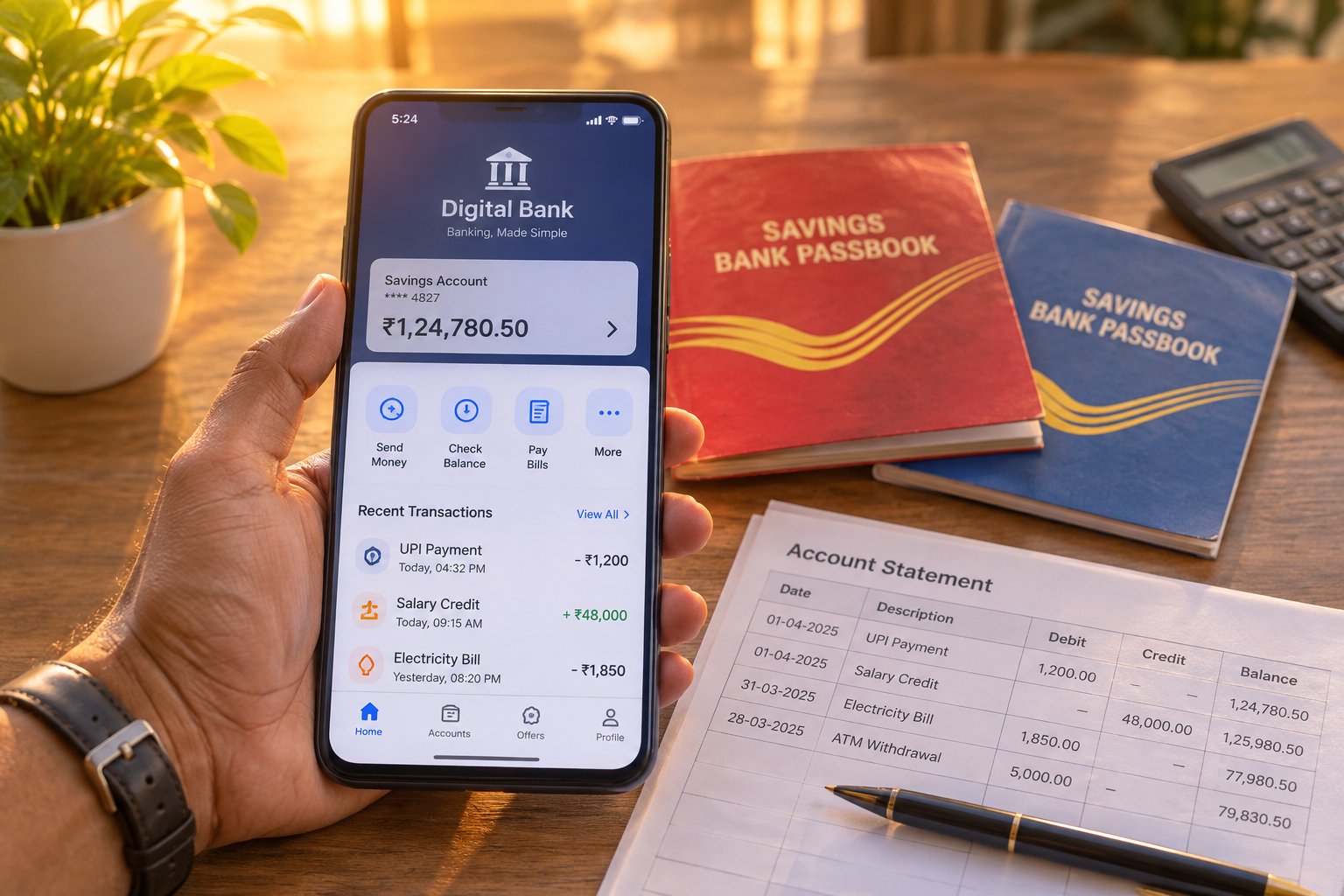
The rising inflation impact on your household budget also includes debt costs. What You Need to Know About the Effects of Inflation explains that food, housing-related costs, fuel, and everyday items can become more expensive during inflation. When central banks respond with higher interest rates, borrowing costs may also rise.
Understanding Inflation-Linked Choices
Inflation-linked securities are designed to connect returns with inflation measures in some form. Their structure aims to reduce the erosion of purchasing power, but availability, tax treatment, liquidity, and suitability can vary. Households should not select any product only because inflation is in the news.
Conservative savers may also compare fixed-income options with inflation trends and household goals. PPF, EPF, NPS, deposits, and small savings schemes can play different roles depending on age, income stability, liquidity needs, and tax position. For senior households, our article on Monthly Income Features of Popular Senior Citizen Schemes explains income-focused schemes in simple terms.
Role of Gold and Market-Linked Products During Inflation
Gold is often discussed as a store of value during inflationary periods. Market-linked products may offer diversification, but they carry risks based on category, asset mix, valuation, and time horizon. No household should choose an investment only because prices are rising.
If you invest through regular contributions, review your goals instead of reacting to headlines. Market conditions can change quickly, and returns are never assured. For personalised investment planning, consult a SEBI-registered investment adviser through resources such as the official SEBI website.
Debt and Credit Management Amid Rising Inflation
Debt becomes more stressful when prices and interest costs rise together. Credit card dues, personal loans, and unpaid EMIs can drain cash flow quickly when essentials are already costlier. Paying only the minimum amount on a credit card can keep interest costs high and delay repayment.
Households should understand loan terms, repayment dates, interest type, and possible reset conditions. A home loan borrower may track official policy communication through the RBI website. If refinancing, restructuring, or prepayment is being considered, compare costs carefully and seek qualified advice before acting.
Using Government Schemes and Digital Tools to Save on Expenses
Government schemes and digital tools can reduce some pressure from inflation when used carefully. Eligible households may receive support linked to food, cooking fuel, housing, utilities, or other essentials, depending on scheme rules and location. These benefits should be treated as support for necessities, not as extra room for avoidable spending.
Digital payments can also make spending easier to track. Wallets, UPI apps, and bank offers may provide small discounts or cashback on planned purchases such as groceries, fuel, or utility payments. Such offers are useful only when they reduce expenses you were already going to incur.
Using Ration Cards and Public Distribution Support
Public distribution support can help eligible families access essential food items at subsidised rates. During periods of high inflation, this can protect a portion of the food budget. Families should check eligibility through official local channels and keep required documents updated.
Some households miss benefits because they do not track scheme updates or document requirements. Local ration offices and official state portals can provide relevant details. If your monthly food bill has risen sharply, it may be worth checking whether any eligible household member can access available support.
Cashbacks and Discounts via Digital Payment Platforms
Digital wallets, UPI apps, and bank offers can reduce small daily costs when used with discipline. A ₹20 or ₹50 saving may look minor, but repeated savings can matter over a month. The key is to use offers only on planned purchases such as fuel, groceries, medicines, or bill payments.
Payment convenience can also lead to impulse spending if limits are not set. Track alerts, monthly statements, and app histories to understand where money is going. A simple weekly review can show whether cashback is truly saving money or encouraging extra purchases.
Relevant Government Schemes to Manage Inflation Impact
Subsidy programmes may reduce costs for food, cooking fuel, housing, or utilities for eligible households. Rules can differ across states, income groups, and scheme categories. Keeping Aadhaar, bank details, and mobile numbers updated where required can help avoid delays.
For banking changes that affect daily money movement, read How RBI’s New ₹50,000 Cash NEFT Transfer Rule Affects You. Payment rules and transfer limits can matter when families manage emergencies or large bills. Staying aware helps reduce last-minute stress and avoid avoidable transaction problems.
Practical Budgeting Strategies for Indian Households
A budget works only when it reflects current prices. During inflation, last year’s food, fuel, transport, and utility estimates may no longer be reliable. Reviewing spending every month gives households a clearer picture of where pressure is building.
Managing Your Household Budget During Inflation suggests reviewing expenses and cutting non-essential costs such as unused subscriptions. The same approach works for Indian households that need to protect essentials first. Start with food, housing, transportation, healthcare, insurance, and school costs, then reduce wants without hurting health or safety.
Segmented Budgeting for Different Income Levels
Daily wage earners may focus first on food, rent, transport, healthcare, and debt avoidance. Checking eligible support and local welfare options before taking costly loans can protect the household from deeper financial stress. Even a small emergency reserve can reduce dependence on informal borrowing.
Salaried families can divide budgets into essentials, goals, insurance, debt repayment, and lifestyle spending. They may review commuting costs, tuition decisions, subscriptions, and annual renewals to find practical savings. Business owners should separate household money from business cash flow so inflation in one area does not quietly damage the other.
Expense Tracking and Financial Planning Tips
Use a notebook, spreadsheet, or expense tracking app to record spending. Group expenses into food, fuel, utilities, education, healthcare, debt, savings, and leisure. This makes the rising inflation impact on your household budget easier to see and easier to discuss with family members.
Set saving targets after adjusting for higher costs, not before. If savings fall for several months, do not ignore the trend or assume it will fix itself. Review insurance, tax planning, emergency funds, and debt repayment with care before making major lifestyle commitments.
Smart Grocery and Utility Expense Management
Buy seasonal and local produce when possible, and compare unit prices instead of only looking at pack size. Plan meals weekly to reduce waste, repeat delivery charges, and unplanned purchases. Small changes in grocery behaviour can protect the budget without cutting essential nutrition.
For utilities, switch off unused appliances and track high-use months. Energy-efficient lighting, careful air-conditioner use, and timely bill checks can reduce waste over time. These habits may look small individually, but together they can improve monthly control.
What You Can Do Now to Reduce Inflation Pressure
The best response to inflation is practical and calm. First, list fixed expenses, variable expenses, debts, savings, and unavoidable annual payments. This will show which categories are hurting your budget the most.
Next, protect essentials before lifestyle spending. Food, rent, utilities, transport, healthcare, insurance, school fees, and debt repayments should come before discretionary purchases. The rising inflation impact on your household budget becomes easier to manage when priorities are clear and reviewed regularly.
Debt Management for Inflationary Times
Clear high-interest debt as early as your cash flow allows. Credit card dues and costly personal loans can become painful when groceries, fuel, and utilities are also rising. Avoid new borrowing for non-essential purchases during inflation spikes.
If you already have a home loan, check your EMI, tenure, and reset-related terms carefully. Do not make quick decisions based only on social media tips or informal advice. Speak to your lender or a qualified adviser before making major repayment, refinancing, or restructuring decisions.
Optimising Savings and Emergency Funds
Keep enough liquid savings for medical needs, job loss, urgent repairs, and family emergencies. At the same time, review whether too much idle money is losing purchasing power to inflation. Balance safety, access, tax impact, and long-term goals before changing your savings pattern.
For market-linked choices, avoid chasing past performance or reacting to short-term headlines. Mutual funds, stocks, and other securities carry risk, and no return is assured. For personalised financial planning, consult a SEBI-registered investment adviser.
Using Technology to Save on Daily Expenditure
Use apps to track bills, due dates, spending limits, and recurring subscriptions. Set reminders for credit card payments, insurance premiums, school fees, and loan EMIs. Missed payments can create extra charges when budgets are already tight.
Check offers on essentials, but do not buy items only for cashback. Compare prices across local stores and online platforms for purchases you already planned. Smart use of technology can reduce waste, improve visibility, and make household money decisions more disciplined.
Related reading on PocketPlanGuru
- Why the Rupee’s 3-Month Low Matters for Your Budget
- How Rising Oil Prices and RBI Hike Affect Your Budget
- Why Rising Crude Oil Costs Squeeze Your Household Budget
Frequently Asked Questions
How does rising inflation affect daily grocery expenses?
Rising inflation can increase the prices of staples, vegetables, pulses, milk, cooking oil, and other daily items. Families may need to adjust quantities, compare brands, reduce waste, or change shopping frequency to manage the food budget.
Can government schemes reduce inflation pressure on low-income households?
Yes, eligible schemes and public distribution support can lower the cost of some essentials. They do not remove inflation completely, but they can help protect food and utility budgets for eligible families.
What financial instruments can help households think about inflation?
Households often review inflation-linked securities, gold, provident fund options, pension products, deposits, and other long-term choices in the context of inflation. Suitability depends on goals, risk capacity, tax position, and liquidity needs, so consult a SEBI-registered investment adviser for personal decisions.
How should Indian households manage debt during inflation spikes?
Prioritise high-interest dues such as credit card balances and costly personal loans. Avoid fresh borrowing for non-essential purchases, review EMI commitments, and speak to your lender or adviser before making major loan changes.
Does interest-rate policy affect household expenses directly?
Interest-rate changes can influence loan EMIs, borrowing costs, and deposit rates over time. Households may feel the effect through home loans, personal loans, credit cards, and broader efforts to manage price stability.
Stay Prepared, Not Panicked
Inflation can make everyday life feel more expensive, but a clear plan helps households stay in control. Review your budget often, cut waste, protect essentials, and use eligible schemes carefully. For personalised investment or portfolio decisions, consult a SEBI-registered investment adviser.
Stay informed with PocketPlanGuru for simple, India-focused money guides. Subscribe for practical updates on budgeting, tax, insurance, loans, and savings. Explore more articles on PocketPlanGuru and take charge of your household money today.
Sources and further reading
- How Inflation Affects Your Budget and Savings | Transcend CU
- What You Need to Know About the Effects of Inflation | Farm Bureau Financial Services
- Managing Your Household Budget During Inflation | First Atlantic Federal Credit Union
- Impact of Inflation by Household Income | Penn Wharton Budget Model
- Inflation and your household budget | GetSmarterAboutMoney.ca
- How your household budget could look in 2026
Disclaimer: The information above is for educational purposes only and does not constitute financial advice.
1 Comment