

What Is RBI’s New Same-Day Cheque Clearing Rule?
RBI’s same-day cheque clearing rule from October 4 changes how banks process eligible cheques during the banking day. The aim is to reduce cheque clearing time from multiple days to just a few hours, so customers can access funds faster after successful settlement. For Indian households and small businesses, this can make rent, salary-related payments, refunds, vendor receipts, and family transfers feel less slow and uncertain.
Earlier, many customers planned for a wait of two to three working days, and in some cases longer, depending on the bank, branch, holidays, and cut-off time. Under the new process, banks scan and present cheques more frequently through a continuous clearing cycle during banking hours. A useful summary of the change is available in this explanation of the RBI cheque system from October 4.
How the New System Works
Banks now use continuous clearing cycles during banking hours instead of relying only on a slower batch-based process. The research available for this article says settlement happens hourly from 11 am to 7 pm, and banks must release payment after successful settlement. The bank should release the amount immediately, and no later than one hour after settlement, subject to normal safeguards.
This one-hour period starts from settlement, not from the time you deposit the cheque at a branch or place it in a drop box. Same-day credit is possible when the cheque is presented during the relevant session and successfully processed for settlement. This makes the rule useful, but it does not remove the need to understand your bank’s deposit cut-off.
Difference from the Earlier Clearing Process
In the earlier process, cheque clearing often took two to three working days, depending on operational factors. Many families waited before using funds because they could not treat the cheque amount as available cash until the bank confirmed credit. The new process aims to reduce that wait and improve visibility through image-based and digital processing.
The change does not mean every cheque will always clear instantly. Branch cut-offs, cheque quality, account balance, signature verification, and return reasons still matter. Customers should treat same-day clearing as faster access after successful processing, not as automatic cash availability at the moment of deposit.
What This Change Means for Your Daily Financial Transactions
For daily life, faster cheque clearing can reduce the gap between receiving money and using it. A household may receive a salary-related cheque, rent payment, insurance payout, tuition refund, or vendor payment and see funds sooner after settlement. This can help when bills, EMIs, credit card dues, or school fees are close to their due dates.
The benefit is mainly about liquidity and convenience, not a promise that every payment will succeed. If a cheque is returned because of insufficient funds, signature mismatch, or another reason, the customer may simply get that information faster. If rising prices are already straining your monthly plan, read our guide on how rising inflation impacts your household budget.
Impact on Salaried Individuals
Some salaried workers still receive cheques for reimbursements, bonus payments, arrears, or full-and-final settlement amounts. Faster clearing can help them use funds sooner for groceries, rent, utilities, or loan EMIs once the bank confirms successful settlement. It may also reduce the risk of planning confusion when a person expected a cheque to clear earlier under the old system.
Even with faster clearing, you should avoid issuing payments against a cheque until your bank confirms that funds are available for use. A cheque can still be delayed or returned because the new rule does not override ordinary banking checks. Keeping a small cash-flow buffer remains sensible, especially when payment due dates are close together.
Benefits for Small Business Owners and Vendors
Small business owners often manage tight cash cycles, especially when customers pay by cheque. Same-day clearing can help a shopkeeper, consultant, landlord, or service provider plan payments to suppliers with more confidence after funds are credited. Vendors may also get quicker clarity if a cheque fails due to mismatch, insufficient funds, or another return reason.
The research sources do not provide a nationwide figure for how many cheques will be affected, so it would be wrong to assume a fixed benefit for every business. The actual experience can vary by bank, branch, deposit timing, and whether the cheque is processed successfully. Businesses should update their internal follow-up routines so cheque status is checked promptly.
Use Cases: Rent and Supplier Payments
Consider an illustrative example of a landlord who receives a monthly rent cheque on the morning of the due date. Under the faster system, the landlord may receive credit the same day if the cheque enters the right clearing cycle and settles successfully. A small manufacturer can also plan supplier payments better when customer cheques clear sooner.
These examples show how faster clearing may reduce waiting time, but they do not remove operational risk. Failed cheques, late deposits, unclear cheque details, or missed branch cut-offs can still disrupt cash flow. The practical lesson is to deposit early, track status, and avoid spending the amount until it is usable in the account.
Step-by-Step Guide to Optimise Your Cheque Deposits
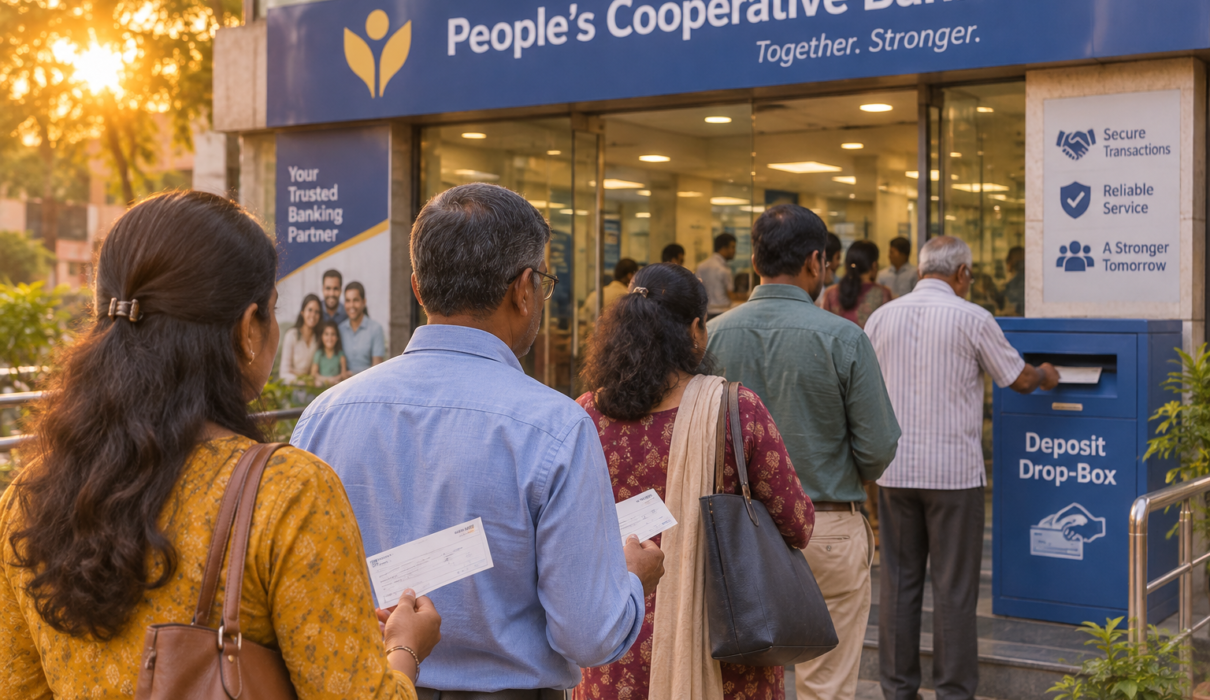
The best way to benefit from the rule is to treat cheque deposits as time-sensitive. Deposit cheques early in the day, confirm your bank’s cut-off, and keep all cheque details clean and readable. Do not assume that a cheque dropped late in the evening will enter the same-day cycle.

Your bank’s deposit cut-off is separate from the clearing-system window. A branch may need time to collect, scan, and process your cheque before submitting it for clearing. The guidance in this cheque clearing time explainer says deposits made after the applicable cut-off may enter the next clearing cycle.
Understanding Bank Cut-Off Timings
The clearing system may settle hourly from 11 am to 7 pm, but your bank branch may stop accepting same-day deposits earlier. A cheque placed in a drop box may need collection, scanning, and processing before it enters the clearing cycle. If you deposit after the cut-off, your cheque may move to the next cycle or the next working day.
Always check the cut-off displayed at your branch, especially before a long weekend or bank holiday. If your payment is urgent, speak to the branch instead of relying only on a drop box. This is especially useful when the cheque amount is needed for an EMI, insurance premium, school fee, or other time-bound payment.
Best Practices for Cheque Deposits
Check the date, payee name, amount in words, amount in figures, signature, and account details before depositing a cheque. Small errors can cause returns, and faster clearing may expose those errors sooner. If your bank offers a digital cheque deposit or image-based facility, ask how it works and what limits apply.
Keep a photo or scan for your records, but do not share cheque images through unsecured messaging apps. Store deposit slips until the amount becomes usable in your account. These simple habits can reduce avoidable follow-ups and make it easier to raise a complaint if something goes wrong.
How to Monitor Your Cheque Clearance Status
Use SMS alerts, mobile banking, netbanking, or email updates to track the cheque status. Many banks show whether the cheque is under process, credited, returned, or pending confirmation. If the status does not change after the expected window, contact your branch or customer care quickly.
Keeping your mobile number and email updated with the bank is also useful because alerts may be sent through those channels. If you are depositing a high-priority cheque, note the time of deposit and keep the acknowledgement safe. This record can help the bank identify whether the cheque entered the relevant clearing cycle.
Addressing Common Concerns: Post-Dated Cheques and Returns
Faster clearing does not change the basic rules around cheque dates, signatures, account balance, and account details. A post-dated cheque should clear only on or after the date written on it. Cheque returns may also happen faster, which can help both sides resolve issues sooner.
For households juggling home loan, personal loan, and credit card dates, quicker feedback can reduce confusion. However, faster information is not the same as successful payment. You still need enough balance, accurate cheque writing, and timely deposit handling.
Post-Dated Cheques Handling
Post-dated cheques remain tied to the date printed on the cheque. The new process does not allow banks to clear them before that date. If you have issued post-dated cheques for rent, school fees, or loan arrangements, keep enough money ready before the due date.
If there is an error in a post-dated cheque, inform the payee and replace it through the proper process. Do not assume that the faster system gives extra time to correct mistakes after the cheque is deposited. Once a cheque enters processing, the timeline for confirmation or return may be shorter than before.
Cheque Return Process
A cheque can return due to insufficient funds, wrong signature, mismatch in words and figures, stale date, or other reasons. Under a faster clearing system, the return process may also become quicker, which gives customers earlier information. This can help a business follow up with a customer without waiting for several days.
You should ask your bank for the exact return reason and any applicable charges. If you issued the cheque, contact the payee quickly and resolve the issue through proper banking channels. If you received the cheque, keep records of the return message, deposit slip, and any communication with the issuer.
Potential Risks and Operational Challenges
Speed brings convenience, but it also reduces the time available to spot mistakes after depositing or issuing a cheque. Smaller branches and rural banking points may face initial process issues as systems adapt. Technical glitches, scanned image quality, or operational delays can still affect settlement.
Customers should avoid assuming that the rule removes all delays. The process depends on timely scanning, successful presentation, settlement, and release of funds by the bank. If your loan EMI burden is already high, this guide on what rising household credit means for your loan EMI can help you plan cash flows better.
Technical and Operational Issues
Some banks may handle the transition more smoothly than others, depending on their systems and branch processes. Rural branches may need more time for scanning, verification, and connectivity. A cheque deposited at a branch just before cut-off may still miss same-day processing if the bank cannot submit it in time.
Customers should confirm the process with their own bank instead of relying on general timelines. If the amount is urgent, ask whether the cheque is likely to enter the same-day cycle. This can prevent confusion when a deposit is accepted but not processed within the window you expected.
Fraud and Security Concerns
Faster clearing can increase urgency, so customers should be more careful with cheque books. Store unused cheques safely, avoid signing blank cheques, and report missing leaves at once. Banks use fraud checks, signature checks, and system safeguards, but customers also play a key role.
If you see an unauthorised debit or suspicious cheque entry, contact your bank without delay. Do not share cheque images, account details, or cheque book information through unsafe channels. Faster processing makes quick reporting even more important when something appears wrong.
RBI and Bank Safeguards
RBI sets the broad clearing framework, while banks must follow settlement and customer service norms. Customers can use bank grievance channels if funds do not arrive after successful settlement. If the issue remains unresolved, they can explore the RBI complaint mechanism as per applicable rules.
For ordinary users, the safest approach is to keep proof of deposit and track the transaction until it closes. If the matter affects broader financial planning, loan decisions, or investment choices, consult a SEBI-registered investment adviser. Banking service complaints and investment advice are separate matters, so use the right channel for each issue.
What You Can Do Now to Benefit from Same-Day Clearing
Start by reviewing how your family uses cheques today. Many households still use them for rent deposits, society charges, tuition fees, business receipts, refunds, and large payments. The same-day cheque clearing rule works best when you deposit early and keep your account details clean.
Also update your mobile number and email with the bank so alerts reach you on time. If you regularly receive cheques, ask your bank how it reports pending, credited, and returned status. A clear routine can help you use the faster system without treating it as automatic or risk-free.
Plan Cheque Payments and Receipts Strategically
Coordinate cheque dates with landlords, clients, vendors, and family members. Avoid depositing cheques at the last minute when you need money for an EMI, income tax payment, ITR filing expense, or insurance premium. Keep a small buffer in your bank account because same-day credit depends on successful settlement.
This habit is useful even when the news cycle moves on. Faster cheque clearing can reduce waiting time, but it cannot fix poor timing or incorrect cheque details. Planning payments around realistic cut-offs can make the rule more useful in everyday life.
Consult Your Bank for Features and Alerts
Ask your branch about cut-off times, drop-box handling, SMS alerts, and cheque tracking tools. If your bank offers app-based updates, activate them and test whether alerts arrive on time. Some banks may provide better visibility into cheque status than others, so understand your own bank’s process.
You can also ask how your bank handles cheques deposited near the end of the branch cut-off. This is useful because the clearing-system window and the branch deposit deadline are not the same thing. Clear information from your own bank is more reliable than assuming every branch follows the same customer-facing timeline.
Know Your Recourse Options
If a cheque gets delayed, first check whether it entered the clearing cycle before the branch cut-off. Then ask the bank whether settlement succeeded, failed, or remains pending due to a technical reason. If your bank does not resolve the matter, escalate through official customer care and grievance channels.
Keep deposit slips, screenshots, SMS alerts, and email records until the issue closes. These records can help you explain the timeline clearly if you need to escalate the complaint. Avoid relying only on verbal updates when the payment is important.
Related reading on PocketPlanGuru
- How RBI’s New ₹50,000 Cash NEFT Transfer Rule Affects You
- What RBI’s Proven Liquidity Boost Means for Your Loans
- Why RBI’s Repo Rate Hike Is Critical For Your Home Loan
Frequently Asked Questions
Will post-dated cheques clear before their date with the new rule?
No, post-dated cheque clearing still depends on the date written on the cheque. The faster process does not override cheque date norms. Keep enough money ready before the cheque date if you have issued post-dated cheques.
Are all banks in India ready for same-day cheque clearing?
Most banks have prepared for the faster system, but some smaller or rural branches may face initial process issues. Customers should check cut-off times and deposit rules with their own branch. A useful overview of cheque processing changes is available in this CTS process and RBI rules explainer.
What happens if a cheque is returned now under the faster clearing?
The return process can also become quicker under the new system. Your bank should inform you about the return status and reason through available channels. You should contact the issuer or payee quickly because faster clearing leaves less room for delay.
How can I track the status of my cheque clearing?
You can track the status through SMS, mobile banking, netbanking, email alerts, or your branch. Banks may show whether the cheque is pending, credited, returned, or under process. Keep your deposit slip safe until the amount reflects as usable in your account.
Is there any risk of cheque fraud increasing with faster clearing?
There is some risk because faster processing reduces reaction time after a cheque enters the system. Banks and RBI frameworks include safeguards, but you should protect your cheque book and report suspicious activity quickly. Never sign blank cheques, and never share cheque images through unsafe channels.
Final Takeaway for Indian Households
RBI’s move can make cheque payments feel more modern, especially for families and small businesses that still use cheques often. It can improve liquidity, reduce waiting time, and give quicker clarity on failed payments. It will not remove the need for careful budgeting, clean cheque writing, and branch cut-off awareness.
The best response is practical rather than complicated. Deposit cheques early, track alerts, keep records, and confirm your bank’s process before relying on same-day credit. For personalised financial planning or investment decisions, consult a SEBI-registered investment adviser, and follow PocketPlanGuru for more practical money explainers.
Sources and further reading
- Reserve Bank of India (official website)
- How the RBI’s new cheque system from October 4 will credit money to your account on the same day
- Cheque Clearing Time in India: New RBI CTS Rules 2026
- Cheque Clearing Time in India: CTS Process & RBI Rules | AU Small Finance Bank
- RBI to Introduce Faster Cheque Clearing from October 4: Key Changes Explained
Disclaimer: The information above is for educational purposes only and does not constitute financial advice.