

Understanding Buffett’s Retirement: What It Signals for Indian Investors
Warren Buffett’s retirement from the CEO role at Berkshire Hathaway is a rare turning point in modern investing, but it should be read as a leadership transition rather than a market crash warning. For Indian investors, the bigger signal is not fear; it is discipline, patience, and the importance of asking whether the price paid for an asset is justified by its long-term value. A detailed INDmoney analysis on Buffett’s 2026 market outlook highlights Berkshire’s large cash position and its patient approach in a market where valuations have become a serious concern.
Indian investors do not need to make rushed decisions in Nifty, Sensex, mutual funds, SIPs, or US stocks simply because Buffett has stepped away as CEO. The research suggests Buffett is not telling investors to exit equities, and he is not predicting a specific crash. The practical lesson is simpler: even highly successful investors may prefer to wait when attractive businesses do not trade at attractive prices.
Buffett’s Value Investing Discipline Continues
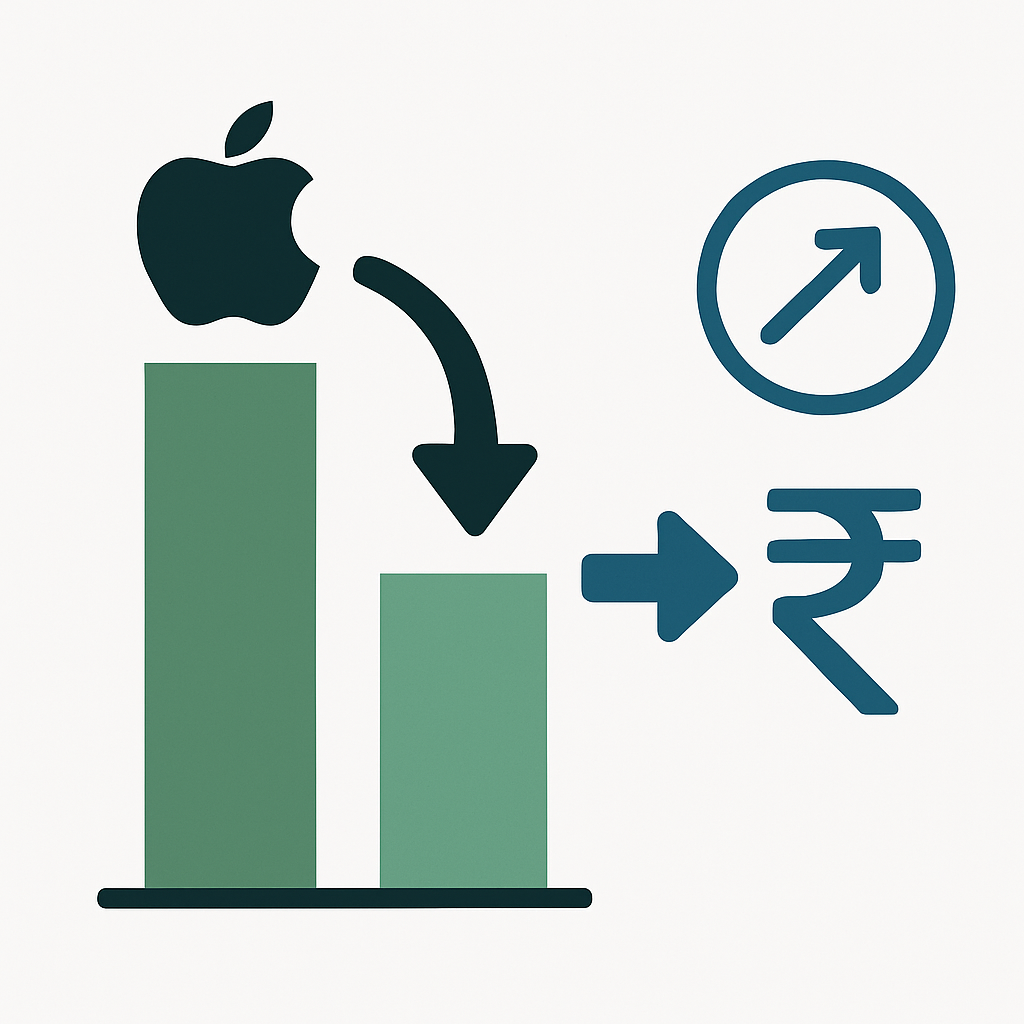
Berkshire’s Apple reduction was a partial trimming of exposure, not a complete rejection of the company. The move appears consistent with Buffett’s long-standing value-investing discipline, where price, opportunity cost, and concentration risk matter even when the underlying business remains strong. Berkshire made significant gains from Apple over the years, which shows that the original investment decision worked well even if the holding later needed review.
This is a useful lesson for Indian investors who are buying US stocks through global platforms, international mutual funds, or feeder funds. A good company can still become less attractive if the valuation leaves little margin of safety. Before changing allocations or making fresh investments, investors should consult a financial advisor and compare the opportunity with their goals, time horizon, tax position, and risk profile.
Global Economic Context and Indian Market Implications
Indian investors face an extra layer of risk when investing in US stocks because returns are affected by INR-USD currency movements. If the rupee weakens, US investments may look stronger in rupee terms, while a stronger rupee can reduce final INR returns. You can read more about this angle in PocketPlanGuru’s guide on why the rupee’s 3-month low matters for your budget.
Global flows also react to inflation, US Federal Reserve policy, RBI actions, and geopolitical risk. When foreign money moves out of emerging markets, Indian equities listed on the BSE and NSE can become more volatile even if domestic fundamentals remain intact. Indian investors should track RBI updates, SEBI rules, and their own asset allocation instead of chasing global headlines in isolation.
Berkshire Hathaway’s Future Under Greg Abel
Buffett’s retirement places Greg Abel at the centre of Berkshire Hathaway’s next chapter. A Yahoo Finance report on Berkshire and Apple notes that Berkshire is under a new CEO, but its broad vision remains careful and long term. That continuity matters because Berkshire’s culture has been built around disciplined capital allocation, strong cash reserves, durable businesses, and patience.
Leadership changes still deserve attention because they can affect capital allocation over time. Abel’s experience in energy, utilities, and infrastructure may influence how Berkshire evaluates future opportunities. Indian investors who hold Berkshire directly or through overseas funds should monitor portfolio changes, but they should consult a financial advisor before reacting to every quarterly move.
Leadership Transition and Strategic Implications
Greg Abel has deep experience in utilities, infrastructure, and energy businesses, which are areas with long investment cycles and large capital requirements. These sectors also connect with global themes such as renewable energy, grid investment, and energy security. Berkshire may continue to follow value discipline while gradually finding opportunities that reflect Abel’s operating background.
This does not mean Berkshire will abandon the investment culture associated with Buffett. The company’s structure, cash strength, insurance operations, and operating subsidiaries all support a cautious and long-term approach. For Indian investors, Berkshire can be studied as a case in patience and capital allocation, but it should not become a shortcut for personal portfolio decisions.
How Indian Retail and Institutional Investors Can Respond
Retail investors should be careful about copying Berkshire’s moves without considering their own financial lives. Indian households may have goals linked to PPF, NPS, EPF, term insurance, home loans, medical costs, and children’s education, while Berkshire does not manage money with those constraints. A personal portfolio should be reviewed with a financial advisor because time horizon, cash flow stability, and risk tolerance differ from investor to investor.
Institutional investors in India may still watch Berkshire as a useful global market signal. Its cash levels, Apple exposure, and sector choices can reflect how a major long-term investor views valuations and opportunity cost. For a related India-focused view, see PocketPlanGuru’s article on why proven strategies matter during FPI selling in India.
Decoding Berkshire’s Apple Bet: Risks and Rewards for Indian Investors
Berkshire’s Apple investment remains one of the most discussed stock stories in the world. A Winvesta analysis of Buffett’s portfolio explains how owning Apple stock could have created far more wealth than simply buying Apple products. That example is powerful for Indian consumers because it shows the difference between consuming a strong brand and participating in the economics of a strong business.
The same story now carries a second lesson about valuation risk. Past returns do not guarantee future returns, especially when a company has already become one of the largest businesses in the world. When a company reaches a very large market capitalisation, continued compounding can become harder because expectations are already high.
Why Berkshire Reduced Its Apple Holding
Berkshire reduced its Apple stake after years of strong gains, and the available research links the move to valuation discipline and portfolio management. A Winvesta report on Buffett’s Apple sales discusses the challenge of sustaining high growth from an already large base. This fits Buffett’s habit of focusing on price and future return potential rather than popularity alone.
Tax planning and portfolio concentration may also influence when a large investor sells part of a holding. Retail investors should not assume they can copy Berkshire’s transactions and receive the same result. Brokerage costs, income tax rules, foreign asset reporting, ITR disclosures, and currency conversion costs can materially change the outcome for Indian residents, so a financial advisor or tax expert should be consulted.
Comparing Apple With Indian Tech and Consumer Stocks
Apple remains a high-quality business with loyal users, strong services income, and an ecosystem that keeps customers engaged. Yahoo Finance has highlighted Apple’s ecosystem and Berkshire’s continuing thoughtful approach, while also noting the leadership transition under Greg Abel. Indian investors can respect Apple’s business quality while still reviewing price, concentration, and currency exposure before making decisions.
India offers its own mix of technology, consumer, banking, manufacturing, and digital growth themes. Some investors may prefer Indian mutual funds, index funds, or direct stocks listed on the NSE and BSE because those fit their tax profile and long-term goals better. Before making changes, investors should compare costs, taxation, currency risk, and suitability with a financial advisor.
Investment Takeaways for Indian Investors
Buffett’s retirement does not require a dramatic portfolio reset for Indian investors. It calls for a slower and cleaner review of what is owned, why it is owned, and whether the portfolio has become too dependent on one global theme. If a portfolio is heavily concentrated in US technology, this may be a suitable moment to discuss diversification with a financial advisor.
Indian investors should also keep local financial goals at the centre of the planning process. Emergency funds, health cover, term insurance, debt allocation, PPF, EPF, and NPS can matter more to household stability than exposure to any famous US stock. Growth is useful only when downside risk, liquidity needs, and personal obligations remain manageable.
Balancing US Stock Exposure With INR Risks
US stocks can add global diversification, but the rupee can affect the final return for an Indian investor. RBI rules on overseas remittances, platform charges, tax collected at source, and bank conversion spreads all influence the real outcome. Investors using foreign exposure should review the SEBI website, RBI guidance, and platform disclosures before committing money.
Currency risk is not always negative, but it must be understood before investing. A falling rupee can lift foreign returns in INR terms, while a rising rupee can reduce them. For loan-sensitive investors, PocketPlanGuru’s explainer on why the US Fed rate hike matters for your loans connects global rates with Indian EMIs and household budgets.
Incorporating Sectoral Shifts in Indian Portfolios
Buffett’s caution can sit alongside India’s long-term growth story. Investors do not have to choose only between US technology stocks and Indian equities. Many portfolios can use a blend of domestic mutual funds, SIPs, debt products, and limited global exposure, depending on advice from a qualified financial professional.
Sector balance matters because every investment theme moves through cycles. Technology, banks, consumption, healthcare, energy, and infrastructure can perform differently during inflation, repo rate changes, or global risk-off periods. Investors can use the NSE website, fund factsheets, and portfolio statements to identify hidden overlap and concentration risk.
Global Investment Landscape After Buffett’s Retirement
Buffett’s retirement arrives at a time when investors are debating value, growth, artificial intelligence, sustainability, and the role of cash in portfolios. Berkshire’s large cash position shows that patient capital still has a role even in fast-moving markets. It also reminds investors that doing nothing can be an active decision when prices do not offer enough comfort.
The Buffett Indicator, discussed in the INDmoney research, has been cited as being at elevated levels. Such signals do not predict exact market moves, and they should not be treated as timing tools. They simply suggest that investors should avoid paying any price for popular assets just because momentum is strong.
Emerging Global Investment Themes Post-Buffett
Renewables, healthcare, technology, energy security, and infrastructure may attract global capital over the next decade. Berkshire under Greg Abel may study some of these areas through its own disciplined lens. Indian investors can also access related themes through Indian listed companies, diversified mutual funds, and global funds after checking suitability with a financial advisor.
The value versus growth debate may become sharper as markets adjust to changing interest rates and earnings expectations. Growth stocks can reward investors when future earnings justify the price paid. Value investing asks a simple but powerful question: what am I paying, what am I getting, and what can go wrong?
Positioning India in the Global Investment Context
India may benefit as global investors look for alternatives to expensive developed markets. Domestic consumption, digital adoption, infrastructure spending, and listed market depth support India’s long-term case. At the same time, FPI flows can reverse quickly when global yields rise or risk appetite weakens.
For Indian investors, the best response is balance rather than overconfidence. Local growth exposure may be useful, while some global exposure can help if it suits the investor’s goals and risk profile. Taxation under Indian law, foreign gains, and ITR disclosures should be reviewed with a qualified tax expert before investing overseas.
Frequently Asked Questions
How does Warren Buffett’s retirement affect my investments in Berkshire Hathaway? The leadership change may influence Berkshire’s sector focus over time, but available research suggests its long-term culture remains steady. If you hold Berkshire directly or through funds, monitor portfolio updates and consult a financial advisor before acting.
Why did Buffett reduce his Apple stock holding, and should I follow? Berkshire’s Apple trimming reflects profit booking, valuation discipline, and caution around a mature technology cycle. That does not mean every investor should sell Apple, because the right decision depends on allocation, tax impact, time horizon, and risk appetite.
What currency risks should Indian investors consider when investing in US stocks? INR-USD movement can raise or reduce your rupee returns. Bank spreads, remittance rules, income tax reporting, and ITR compliance also matter, so investors should consult professionals before using overseas investing platforms.
Can Indian tech stocks benefit from Berkshire’s cautious stance on US tech? Indian technology and digital businesses may attract attention as investors look beyond expensive global names. However, Indian stocks also carry valuation, execution, currency, and liquidity risks, so diversification across sectors and geographies remains important.
Should Indian investors change their portfolio approach after Buffett’s exit? A full overhaul may not be needed, but a portfolio review can be useful. Buffett’s retirement is a reminder to check valuation, concentration, currency exposure, and personal goals with the help of a financial advisor.
Disclaimer: The information above is for educational purposes only and does not constitute financial advice.