

How Oil Price Hikes Affect Indian Household Expenses
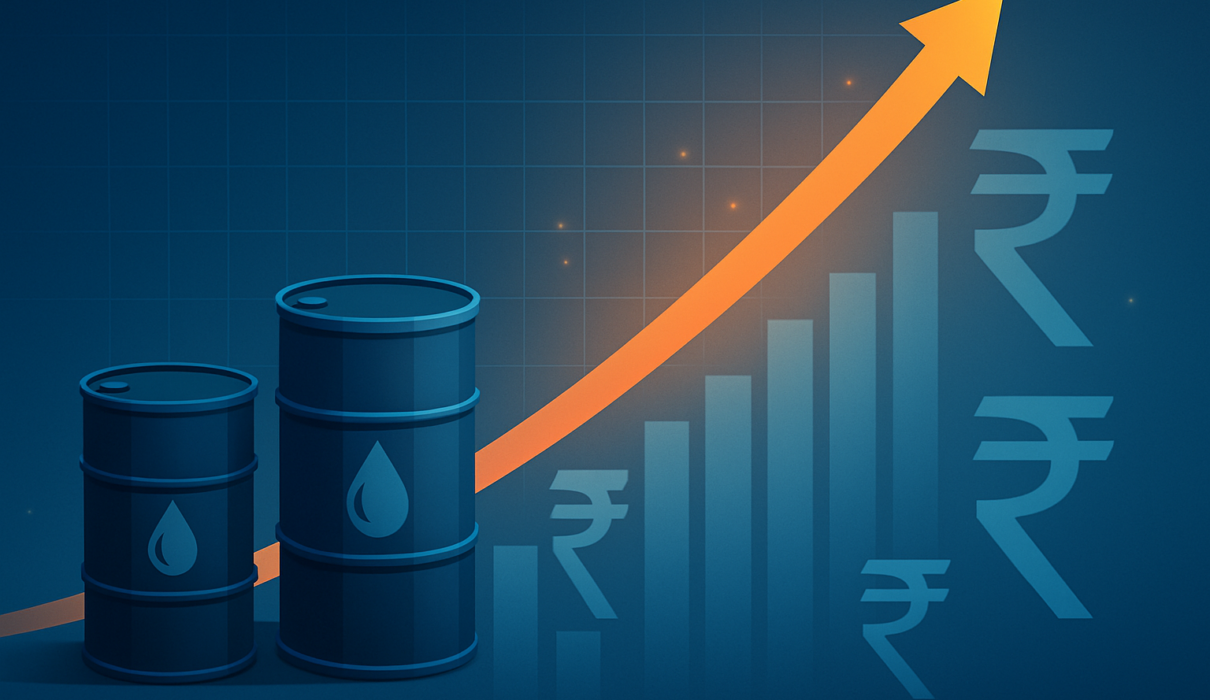
Rising oil prices can hurt your family budget even if you do not own a car. The pain starts at the petrol pump, then moves into your sabzi basket, LPG cylinder, school van fee, and monthly electricity bill. For Indian families already managing EMIs, school fees, and groceries, understanding this chain can help you act early.
India imports more than 80% of its crude oil needs, so global oil shocks reach Indian homes quickly. A useful India-focused overview from Journey Towards Saving on crude oil prices and Indian households explains how fuel, groceries, and transport costs move together. This guide breaks down the impact in simple terms and shares practical steps families can use today.
Oil price hikes affect far more than petrol and diesel bills. They raise transport, logistics, packaging, and delivery costs across many goods and services. This is why rising oil prices can quietly increase your monthly spend even when your travel pattern stays the same.
Low- and middle-income families feel the squeeze most because essentials take a large share of income. An analysis of oil shocks on low- and middle-income households found that higher oil costs can add meaningful monthly pressure through fuel, food, energy, and essentials. In India, a similar pattern appears through petrol, diesel, LPG, food transport, and local service costs.
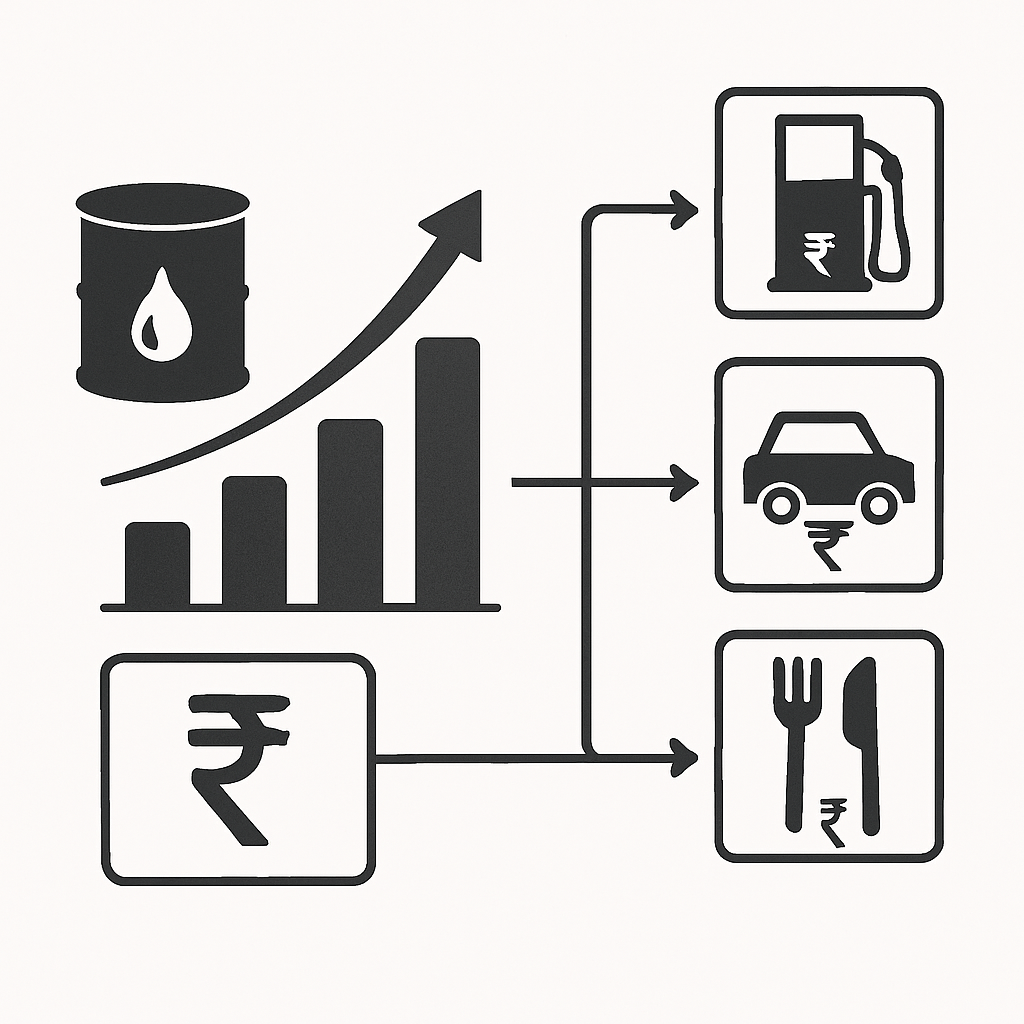
Direct Costs: Fuel, Cooking Gas, and Food Price Inflation
Petrol and diesel prices hit families directly when they use bikes, cars, autos, or cabs. Diesel also powers a large part of India’s goods transport system, so freight costs rise when diesel rises. Retailers then pass part of that cost into groceries, milk, vegetables, packaged foods, and household items.
LPG cylinder costs also matter because cooking fuel sits at the heart of every home budget. When crude oil rates stay high, oil marketing companies face higher input costs for fuel products. Families may then cut eating out, reduce app orders, or switch to simpler weekly meal plans.
Indirect Costs: Public Transport, Electricity Tariffs, and Education
Public transport costs can rise when fuel expenses hurt bus operators, cab fleets, and school transport providers. Even when fares do not rise at once, operators may reduce discounts or add small service charges. School vans, activity buses, and tuition travel can become costlier over a few months.
Electricity bills can also feel the pressure because energy markets connect closely with fuel prices. States that depend on fuel-based power or costly power purchases may face tariff stress. Families should track usage because a small rise in units and tariffs together can hurt cash flow.
Understanding the Geopolitical and Economic Factors Behind Oil Price Changes
Crude oil trades in a global market, so conflicts, shipping risks, and supply cuts can move prices quickly. The Investing.com monthly budget breakdown explains how war and supply chain stress reach household expenses. Indian families may not follow oil charts daily, but they still pay the bill through inflation.
Oil also affects markets because higher inflation can shape RBI policy, repo rate expectations, and borrowing costs. If inflation stays sticky, home loan and personal loan EMIs may remain under pressure. Investors also watch Nifty, Sensex, BSE, and NSE trends because expensive oil can affect company margins.
Global Events Impacting Crude Oil Prices
Middle East tensions, OPEC production decisions, and shipping route risks can all push crude prices higher. A report on how oil prices can raise grocery costs shows how fuel shocks can reach the food basket. When transport, packaging, and farm input costs rise, the final grocery bill often follows.
Demand from large economies also matters because oil prices react to global growth signals. Strong demand from countries like the US and China can tighten supply and lift prices. Weak demand can cool prices, but Indian households cannot rely on global relief alone.
India’s Oil Import Dependency and Currency Effects
India pays for crude oil largely in US dollars, so the rupee-dollar rate matters. If the rupee weakens, imported crude becomes costlier even if global prices do not rise much. You can follow broader currency and policy updates through the Reserve Bank of India website.
High import dependency makes India sensitive to oil volatility. A spike in crude can widen trade pressure, lift inflation, and affect market mood. For households, the result may show up as higher fuel bills, dearer groceries, and tighter monthly savings.
Indian Government Policies and Subsidies Helping Families Cope
Fuel prices in India include crude cost, refining cost, dealer margins, and taxes. Central and state duties can add a large share to the pump price. When governments cut duties, consumers may get some relief at petrol pumps.
Policy support can help, but it rarely removes the full impact of global oil shocks. The Economic Times oil price warning highlights how expensive crude can lift everyday costs. Families should treat subsidies as support, not as a complete shield.
Fuel Excise Duties and Their Role in Price Formation
Central excise duty and state VAT influence petrol and diesel prices directly. State taxes differ, so the same fuel can cost more in one city than another. This is why families moving between states often notice fuel price gaps.
Governments may adjust duties when prices become politically or economically painful. Such cuts can help transporters, commuters, and small businesses. Still, the relief depends on the size of the duty cut and how long crude stays high.
Subsidies and Welfare Schemes for Essential Fuels
LPG subsidy support through direct benefit transfer can reduce pressure for eligible households. PAHAL DBT links LPG subsidy payments to bank accounts, which helps target support better. Families should keep Aadhaar, bank details, and LPG records updated to avoid payment issues.
State transport subsidies can also soften fare hikes in buses and local services. Many states support public buses because they serve students, workers, and senior citizens. Using these options can reduce the need for expensive private travel.
Practical Budgeting Tips to Counter Rising Monthly Expenses
Start by tracking fuel, LPG, electricity, groceries, and transport for three months. This simple habit shows which costs move fastest when oil prices rise. If you already use a credit card, check statements weekly so small leaks do not grow.
Prioritise rent, EMIs, food, utilities, school fees, insurance, and basic healthcare first. Delay upgrades, impulse shopping, and non-urgent travel until your budget stabilises. For a deeper look at oil and budgets, read PocketPlanGuru’s guide on why the oil price surge matters for your household budget.
Smart Fuel and Transport Usage for Families
Plan trips so you finish multiple errands in one route. Carpool with neighbours for office commutes, tuition drops, or weekend classes. Shared cabs and metro feeder services can also cut per-person travel cost.
Two-wheeler users should maintain tyre pressure, service vehicles on time, and avoid rash driving. These habits reduce fuel waste and repair shocks. If public transport works for your route, try using it two or three days a week.
Utility Savings and Bulk Purchasing Strategies
Bulk buying works best for staples like rice, atta, dal, oil, soap, and cleaning supplies. Compare local kirana prices, co-op stores, and wholesale markets before buying. Avoid overstocking items that may expire or lock up too much cash.
Electricity savings also add up when you use efficient appliances and switch off idle devices. Clean AC filters, use fans wisely, and run full loads in washing machines. These small steps can help offset part of your higher fuel-linked expenses.
Leveraging Local Transport and Regional Buying Options
Local options often beat private vehicles when fuel prices stay high. State buses, metro trains, suburban rail, shared autos, and e-rickshaws can reduce daily travel costs. They also reduce parking fees, tolls, and vehicle wear.
Regional buying can help families control grocery inflation. Local mandis, farmer markets, and cooperative stores may offer better rates than premium delivery apps. Digital apps can still help when they offer genuine bulk or combo savings.
Adopting Local Public Transport Modes
State-run buses often keep fares lower because governments support them for public use. Students, office workers, and senior citizens may also get special fare benefits in some regions. Check local transport apps or depot notices for updated passes.
Auto-rickshaws and shared autos fill short-distance gaps better than cabs in many cities. They work well for last-mile travel from metro stations or bus stops. Families can mix buses, autos, and walking to cut fuel use without losing convenience.
Exploring Regional Bulk Buying and Cooperative Stores
Cooperative stores can offer staples at fair prices because they operate on lower margins. Many housing societies also run monthly group purchases for grains, oil, and household items. If your building has enough families, propose a simple bulk-buy list.
Farmer markets can offer fresher produce and better value, especially for seasonal vegetables. Buying local reduces long transport chains, which can lower price pressure. Always compare quality, weight, and final price before assuming a deal is cheaper.
Long-term Savings and Inflation Protection Strategies
Short-term savings protect your monthly budget, but long-term planning protects your future. Build an emergency fund that covers three to six months of essential expenses. Keep this money liquid, simple, and separate from your daily spending account.
Debt control matters because high-interest loans can break a budget during inflation. Avoid rolling credit card dues, and think carefully before taking a personal loan. If you have a home loan, track repo rate changes because RBI policy can affect floating EMIs.
Building a Financial Cushion Against Price Shocks
Use automatic transfers to move money into savings soon after salary day. Even a modest monthly amount can create breathing room over time. Emergency savings, adequate insurance, and debt discipline should come before risky financial decisions.
Tax planning can also improve cash flow when done early. Rules around deductions, exemptions, and eligible products can change, so families should not make choices only for tax savings. Consult a financial advisor before making tax-led or investment-linked decisions.
Reviewing Investments Without Panic
Inflation can reduce the purchasing power of idle money over time. Families should review savings, insurance, emergency funds, and long-term goals when monthly costs rise. Specific investment choices should be made only after you consult a financial advisor.
Do not treat oil shocks as a reason to panic-sell investments. Instead, review asset allocation, emergency funds, and insurance cover with a qualified financial advisor. For fixed-income context, PocketPlanGuru also explains why rising bond yields may create hidden opportunities.
Market-linked products can help some long-term investors, but they can also fall in the short run. Read official documents, understand risk, and avoid copying online tips. You can understand market cycles better through PocketPlanGuru’s article on why FIIs are returning to Indian stocks now.
Frequently Asked Questions
Families often ask how much a crude oil shock can change their monthly budget. The answer depends on fuel use, city, diet, school transport, and electricity usage. These FAQs cover the most common concerns in simple terms.
How do rising oil prices increase monthly family expenses?
Rising oil prices can increase family expenses through petrol, diesel, LPG, groceries, transport, and delivery charges. The exact impact depends on how much your household travels, how often you order deliveries, and how your local market prices change. A family using private vehicles daily may feel the pressure faster than a family relying on buses, metro trains, or nearby markets.
Can government subsidies fully offset fuel price hikes?
Subsidies and duty cuts can reduce the pain, but they may not cover every increase. Global crude prices, rupee movement, and state taxes still affect final costs. Families should use government support while also adjusting budgets and travel habits.
What are the best local transport options to reduce expenses?
State buses, metro trains, suburban rail, auto-rickshaws, and carpool groups work well for many Indian families. The best mix depends on your city, safety needs, and daily route. Try shifting a few trips each week before making a full change.
How can families budget effectively during oil price surges?
Track fuel, LPG, groceries, electricity, and transport every month. Prioritise essentials, pause non-urgent spending, and buy staples in bulk when prices make sense. Review subscriptions, delivery fees, and credit card habits because they often hide waste.
How should families think about investments during inflation?
Families should first protect emergency savings, insurance cover, and essential monthly cash flow. They should avoid rushed investment decisions based only on oil price headlines. Consult a financial advisor before choosing or changing investments for your family.
Start Protecting Your Monthly Budget Today
Rising oil prices affect Indian homes through fuel, food, transport, utilities, and loan pressure. You cannot control crude oil prices, but you can control routes, bulk purchases, energy use, and savings habits. Small steps taken early can protect your family from a bigger monthly shock.
Start tracking your monthly expenses today and explore local savings options to shield your family budget from rising oil prices. Review your emergency fund, avoid high-interest debt, and speak with a financial advisor before changing investments. Subscribe to PocketPlanGuru and explore more practical money guides for smarter Indian family finance.
Disclaimer: The information above is for educational purposes only and does not constitute financial advice.
5 Comments