


Understanding Yes Bank’s AT1 Bond Coupon Non-Payment
Yes Bank’s AT1 bond coupon non-payment shook many fixed income investors in India because it challenged the belief that all bank-linked debt is relatively safe. Many savers treat bonds as safer than shares on the Nifty or Sensex, but AT1 bonds sit in a very different risk bucket from bank fixed deposits, PPF, EPF, or government securities. If you hold bank bonds, debt mutual funds, or high-yield fixed income products, this episode is a reminder to read the offer document before chasing extra returns.
The Yes Bank AT1 bond issue came from the special nature of Additional Tier 1 bonds. As explained by Aranca’s analysis of Yes Bank AT1 bonds in India, banks can skip coupons if they make losses and coupon payment would push capital below required levels. These coupons are non-cumulative, which means missed interest does not automatically become payable later.
In March 2020, Yes Bank announced a write-down of AT1 bonds worth INR 84.15 billion during its restructuring. This included INR 30 billion issued in December 2016 and INR 54.15 billion issued in October 2017. The Bombay High Court later revoked the write-down, but the bank’s reported stance remained against actual payment to old AT1 bondholders, which kept uncertainty alive for affected investors.
What Are AT1 Bonds and Their Unique Risks?
AT1 bonds are perpetual, hybrid fixed income instruments issued by banks to support capital. They often pay higher coupons than plain bonds because they carry higher risk and can absorb losses during stress. Unlike a normal deposit or secured bond, the issuer may have discretion to skip payments when financial conditions deteriorate.
For Indian retail investors, the key risk is simple. AT1 bonds can behave like debt in good times but absorb losses in bad times. That makes them very different from core savings products such as PPF, EPF, NPS, scheduled bank fixed deposits, and government securities.
Details of Yes Bank’s Coupon Non-Payment and Write-Down
The Yes Bank case involved both coupon risk and principal risk. The March 2020 restructuring proposed a full write-down of INR 84.15 billion of AT1 bonds, and later court developments created hope for investors. Coupon recovery still remained uncertain because AT1 coupons are generally non-cumulative when the bond terms allow missed payments.
Public discussion around the issue also became intense among investors. A detailed investor discussion on Yes Bank’s AT1 write-down and Bombay High Court developments shows how retail holders viewed the risk hierarchy. The main lesson is clear: higher yield can come with hidden conditions that matter most during distress.
What This Means for Indian Fixed Income Investors
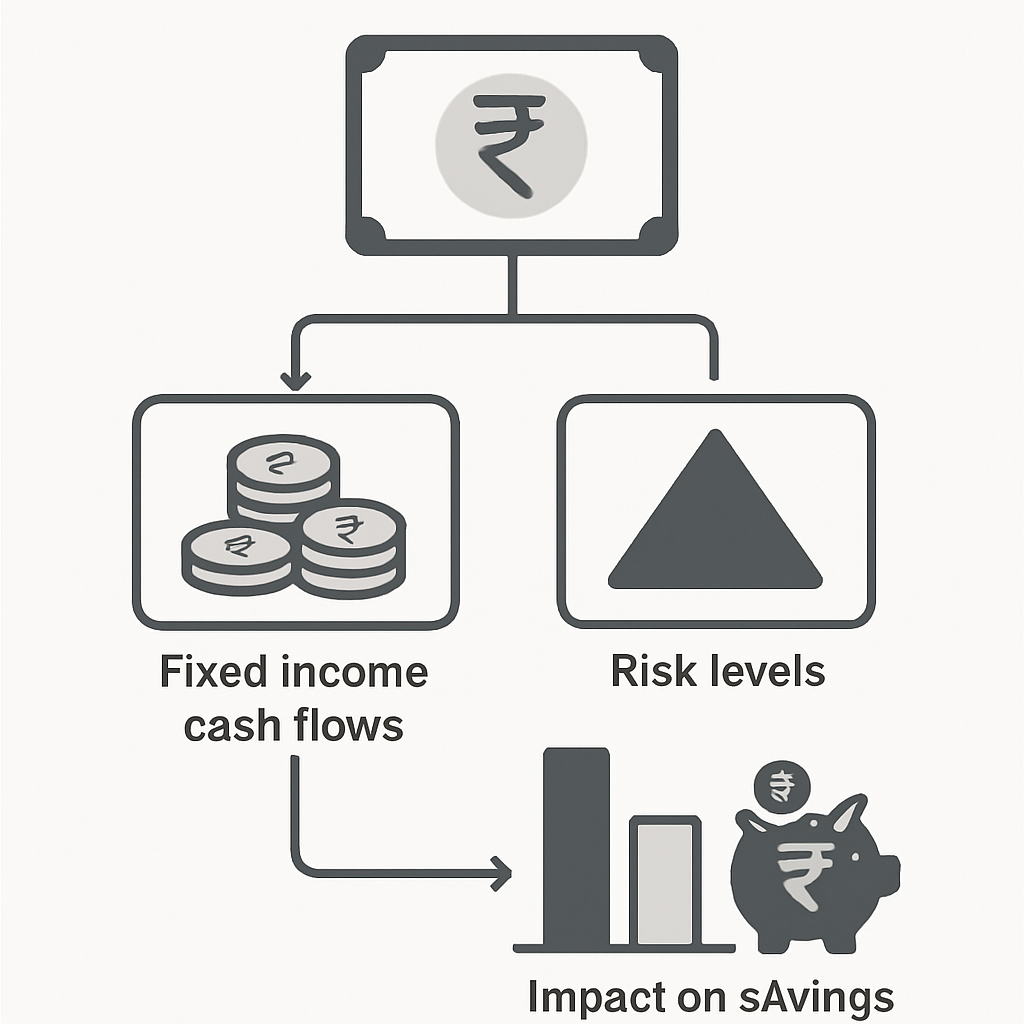
The Yes Bank AT1 bond non-payment event showed that fixed income does not always mean fixed cash flow. Retail investors can lose coupons and may also face principal write-down in such instruments. A bank bond is not the same as a bank fixed deposit, even if the issuer name looks familiar and trusted.
Many Indian families use fixed income to fund school fees, home loan EMIs, medical needs, or retirement income. For such goals, product structure matters as much as the coupon rate. If a bond allows the issuer to skip payments, you must understand that risk and consult a financial advisor before investing fresh money.
Investor Rights and Practical Implications
AT1 bondholders do have rights, but those rights depend on the offer document, regulations, and court outcomes. There is no guaranteed coupon when the terms allow the issuer to skip payment during losses or capital stress. Missed coupons are generally not carried forward if the bond clearly says they are non-cumulative.
Bondholders can contact debenture trustees, track exchange filings, and raise complaints with regulators where appropriate. They can also consult qualified legal experts and join investor groups if they understand the costs and risks. Legal action can take years, and outcomes may remain uncertain even when investors have a strong grievance.
How to Monitor Fixed Income Investments Effectively
Investors should track issuer financials instead of only checking coupon dates. Bank capital levels, quarterly losses, RBI actions, and rating changes can all signal rising risk. You can review filings on the NSE website and company announcements on exchange platforms before making portfolio decisions with a financial advisor.
Before buying any bond, read the term sheet and offer document carefully. Look for words like non-cumulative, perpetual, loss absorption, coupon discretion, and write-down. If these terms sound unclear, pause the purchase and consult a financial advisor rather than relying only on the coupon rate.
Learning From Global AT1 Bond Incidents
Yes Bank was not the only AT1 controversy watched by global markets. Credit Suisse’s AT1 bonds also drew attention when investors faced a write-down during a rescue transaction. A Yahoo Finance explainer on why markets reacted sharply to risky AT1 bank bonds linked the global debate to the Yes Bank dispute.
These events matter because many Indian investors now buy bonds directly through online platforms. Others get exposure through mutual funds, portfolio products, or wealth managers. When global and Indian cases show similar stress patterns, investors should reassess whether the extra yield is worth the complexity and consult a financial advisor before changing allocations.
Credit Suisse and Yes Bank: Similarities and Differences
Both cases involved risky bank capital instruments and losses for bondholders. In both situations, investors questioned how AT1 holders should rank against other stakeholders during a rescue or restructuring. The debate became sharper because many people expected bondholders to receive better protection than equity investors.
Local rules and bond documents decide the final position. Another Yahoo Finance explainer on AT1 bonds and global regulatory responses noted that investor protection can vary across jurisdictions. Indian investors should avoid assuming that overseas treatment will match Indian treatment in a future banking stress event.
Regulatory Environment in India and Global Markets
RBI and SEBI have rules for banks, bonds, disclosures, and market conduct. AT1 terms can still allow issuer discretion in specific stress conditions, which is why the offer document matters. Investors should read RBI communications on banks through the Reserve Bank of India website and track market rules through SEBI before taking important decisions.
Global regulators may follow different capital frameworks and communication practices. Some markets may also have deeper institutional participation and more active secondary trading. In India, retail investors must be extra careful because exits can become hard during panic and quoted prices may not reflect easy liquidity.
Step-by-Step Guide for Yes Bank AT1 Bond Investors
If you held these bonds, first verify your current holding status. Check your Demat account statement, NSDL or CDSL records, and broker ledger. Also collect contract notes, allotment advice, coupon history, bank statements, and any trustee communication in one folder.
Next, build a timeline of missed coupons and official updates. Save exchange filings, bank notices, court updates, and emails from intermediaries. For a related legal perspective, read PocketPlanGuru’s explainer on why court developments matter for your fixed income and then consult a qualified expert for your own case.
How to Verify Your Investment and Bond Status
Start with your consolidated account statement from NSDL or CDSL. Match the ISIN, face value, quantity, and issuer name with your purchase records. Then check whether any coupon was credited to your bank account, broker account, or linked ledger during the relevant period.
If the bond no longer appears, ask your broker or depository participant for a written explanation. Keep all emails, letters, screenshots, and account statements in a separate folder. Clear records help if you approach a trustee, regulator, financial advisor, or legal expert later.
Engaging with Trustees and Regulators
Debenture trustees act as intermediaries for bondholder communication and grievance handling. Write to the trustee with your holding proof and a clear summary of the issue. Ask for official updates, meeting notices, and available documents rather than relying only on social media messages.
You can also use SEBI’s SCORES portal for investor complaints linked to securities markets. File a concise complaint and attach relevant documents in an organised manner. Attend bondholder meetings if the trustee or issuer convenes them, because group communication can improve coordination and reduce confusion.
Pursuing Legal Recourse: What Retail Investors Should Know
Legal action may look attractive after coupon non-payment, but it is not simple. Cases can be lengthy, expensive, and technical. Retail investors should consult a qualified legal expert and a financial advisor before taking this route.
Some bondholders may join investor groups or class-style actions when available. Such efforts can reduce individual cost, but they still carry uncertainty and may require detailed documentation. Avoid paying large upfront fees to anyone promising quick recovery without clear credentials, written terms, and verifiable experience.
Assessing Risks in Fixed Income Portfolios
The Yes Bank AT1 bond episode gives investors a useful risk checklist. Start with the issuer’s financial health, not just the coupon. A bank under stress can create trouble even if the bond once carried a strong market reputation.
Separate core savings from return-seeking investments. Money needed for school fees, rent, medical needs, emergency expenses, or near-term tax payments should not be exposed to complex high-risk debt without professional guidance. High-yield bonds should not replace emergency funds, insurance planning, or goal-based savings discussed with a financial advisor.
Key Financial Indicators to Monitor
For bank bonds, track capital adequacy, net worth trends, and quarterly profits or losses. Watch for RBI restrictions, management changes, delayed results, and unusual market rumours. Rating actions by CRISIL, ICRA, or CARE can also signal stress, though ratings may change late and should not be the only input.
Macroeconomic factors also matter for fixed income portfolios. Repo rate moves, inflation, and liquidity can affect bond prices and bank funding costs. PocketPlanGuru has covered this wider rate backdrop in what RBI’s liquidity boost means for your loans, which can help readers understand the broader interest-rate environment.
Bond Term Features Impacting Coupon and Principal Risk
Read every clause on coupon deferral, write-down, call options, and loss absorption. A call option does not mean the bank must repay on that date. It only gives the issuer a choice, subject to rules, approvals, and the bank’s financial position.
Also check whether the bond is secured or unsecured, cumulative or non-cumulative, senior or subordinated. These words decide how much risk you carry during stress. If you cannot explain the terms in plain English, pause and consult a financial advisor before investing.
Rebuilding Fixed Income Portfolios After the Yes Bank AT1 Shock
After the Yes Bank AT1 bond non-payment shock, investors should rebuild with more care. Diversification across issuers, maturities, and product types can reduce single-name risk. Do not let one attractive coupon dominate your fixed income plan without reviewing the downside with a financial advisor.
Lower-risk fixed income options may include government securities, State Development Loans, high-quality corporate bonds, and bank fixed deposits within applicable deposit insurance limits. Debt mutual funds can help with diversification, but they also carry interest rate risk, credit risk, and market risk. SIPs in mutual funds serve a different goal and should not be confused with assured income or guaranteed capital protection.
Alternatives to AT1 Bonds in the Indian Market
Government securities and treasury bills carry sovereign backing, though prices can move with interest rates. State Development Loans may offer different yields than central government bonds, with their own risk and liquidity profile. Many investors also use PPF, EPF, NPS, and Section 80C-linked products for long-term goals after considering tax and lock-in rules.
Bank FDs remain familiar, but investors should still check bank strength and understand deposit insurance limits. AAA or AA+ corporate bonds may suit some portfolios, but ratings are not guarantees and liquidity can vary. Before shifting money, compare liquidity, taxation, maturity, and risk with a financial advisor.
Building a Balanced Fixed Income Portfolio
A balanced portfolio starts with purpose. Keep emergency money liquid, match bond maturities to goals, and avoid using credit card debt or personal loan funds for investments. If you have a home loan, your asset allocation should also consider EMI pressure and job-income stability.
Review your portfolio at least twice a year or after major market events. BSE and NSE disclosures, RBI updates, and SEBI circulars can help you stay informed. For wider market context, you can also read what the FII selloff means for your investments now and discuss any portfolio action with a financial advisor.
Frequently Asked QuestionsCan Yes Bank AT1 bondholders recover missed coupon payments?
Recovery of missed coupons is difficult because AT1 coupons are generally non-cumulative when the bond terms say so. If the terms allow coupon skipping during stress, the issuer may not need to pay missed interest later. Bondholders should review their documents and consult a financial advisor or legal expert for case-specific guidance.
Are AT1 bonds safe for retail investors?
AT1 bonds carry high risk because banks can skip coupons under specified stress conditions. They may also face write-down or loss absorption events depending on the terms and regulatory framework. Retail investors should treat them as complex products, not as replacements for FDs, PPF, EPF, or government-backed savings.
What legal options do investors have after coupon non-payment?
Investors can approach trustees, regulators, and courts where valid grounds exist. Legal recourse can be complex, costly, and slow because it depends on documents, regulations, and facts. Take qualified legal advice and consult a financial advisor before joining any legal action or investor group.
How can I monitor my bond investments effectively?
Track issuer results, RBI updates, SEBI disclosures, and exchange filings. Read rating reports and watch for capital stress, losses, management changes, or restrictions imposed by regulators. Keep all coupon records, Demat statements, broker communication, and trustee notices safely stored.
What are safer fixed income alternatives after the Yes Bank crisis?
Investors can discuss government securities, bank FDs, PPF, EPF, NPS, and high-quality corporate bonds with a financial advisor. Each option has its own tax, liquidity, return, and risk features. The right mix depends on your goals, time horizon, income needs, and ability to tolerate market or credit risk.
Final Takeaway for Your Savings
The Yes Bank AT1 bond non-payment case is a wake-up call for anyone chasing higher yield. Fixed income products can hide serious risks inside legal terms, especially when they are perpetual, subordinated, or non-cumulative. Your best defence is simple: read documents, diversify, monitor issuers, and consult a financial advisor before investing.
Review your fixed income portfolio with care and identify products that you do not fully understand. If any bond or fund exposure depends mainly on a high coupon, examine the issuer, structure, liquidity, and downside risk before adding more money. For more clear, India-focused money guides, subscribe to PocketPlanGuru and explore our latest articles on smart investing, loans, tax, and long-term wealth planning.
Disclaimer: The information above is for educational purposes only and does not constitute financial advice.