

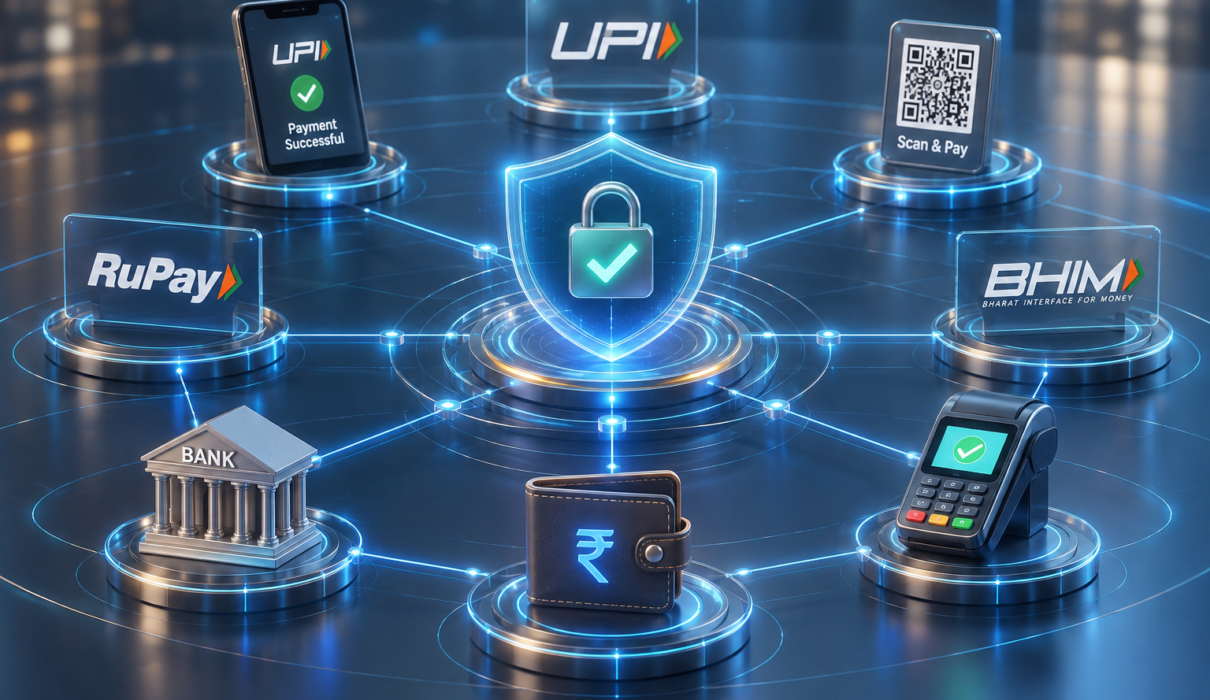
Understanding RBI’s New Digital Payment Safeguards
RBI’s new digital payment safeguards focus on a simple idea: customers should have more control over how money leaves their bank accounts. The recent draft amendment directions propose that bank customers should be able to disable one or more digital payment channels linked to their accounts, including UPI, internet banking, and mobile banking. A report on RBI’s proposed digital payment safeguards explains that no customer-initiated debit can go through a disabled channel until the user enables it again. For an ordinary Indian household, this could make daily payments, card use, and mobile banking easier to control when something feels wrong.
These safeguards also allow users to set or change transaction limits, which can reduce the damage from misuse. For example, a household may keep a lower UPI limit for daily groceries and raise it only when needed. This approach can help families that already manage home loan EMIs, personal loan payments, school fees, recurring deductions, and tax outflows from the same account. The key benefit is not that fraud disappears, but that customers get more ways to limit exposure before a small problem becomes a larger loss.
Overview of RBI’s Proposed Rules
The RBI proposal links customer controls with broader authentication changes in digital payments. The verified research says RBI’s new authentication directions require two distinct factors, with at least one dynamic factor for non-card-present transactions. A dynamic factor can reduce risk when static details, such as a password or saved credential, get compromised. These rules aim to make unauthorised remote transactions harder without removing the need for customer awareness.
The draft also refers to a voluntary trusted-person mechanism for high-value transfers. This can add another layer of authentication when a user wants extra safety for larger payments. It may be useful for senior citizens, first-time digital users, or families where one member usually helps manage digital banking. The mechanism should support safety, but it should not become a reason to share OTPs, PINs, passwords, or full card details with anyone.
Key Features: Disable, Limit, Stop Switch Explained
The disable feature lets a customer turn off a payment mode through the facility provided by the bank. A person who rarely uses internet banking may choose to disable it and keep only the channels that are used regularly. Card users may also get controls to switch cards on or off and set or modify transaction limits. Once a channel is disabled, customer-initiated debit transactions should not pass through that channel until it is re-enabled after authentication.
The stop switch is the most urgent fraud-control feature in RBI’s new digital payment safeguards. Once activated, it is meant to block future customer-initiated debits from the account, except certain exempt payments such as authorised recurring debits. This can help when a phone is stolen, an account appears compromised, or a fraudster tricks someone into sharing sensitive information. The feature works best when customers know where to find it before an emergency occurs.
How These Safeguards Fit Into India’s Digital Payment Ecosystem
India’s payment ecosystem handles everything from small daily purchases to credit card bills and salary-linked bank accounts. UPI, cards, mobile banking, and internet banking now touch households across cities, towns, and villages. RBI’s new digital payment safeguards aim to place customer controls inside this large system, instead of leaving users dependent only on transaction alerts after money has moved. For wider context on policy changes, you can read PocketPlanGuru’s guide on how RBI policy decisions affect loan EMIs and savings.
These rules also matter because banking safety affects wider personal finance decisions. A family may track loan EMIs, monthly budgets, retirement contributions, and tax payments from the same bank account. If that account is exposed to digital fraud, the impact can disrupt more than one payment. Better controls can therefore support day-to-day money management, provided customers understand how the controls work.
Banks’ Preparations and Technology Upgrade Needs
Banks will need systems that let users disable channels, change limits, and activate a stop switch without confusion. Core banking systems must also reflect these changes quickly across UPI, card, internet banking, and mobile banking channels. If the app says a channel is off, the payment network should not allow a customer-initiated debit through that channel. Clear design will be important because a safety feature is useful only when customers can find and use it under stress.
Public sector and private sector banks may face different technology challenges depending on their current systems. Some banks already offer certain card-control features, while others may need upgrades for smoother toggles and limit settings. The verified research does not provide specific implementation cost figures, so readers should avoid assuming that every bank will move at the same speed. Customers should rely on official communication from their bank for exact availability and process details.
Integration with Current Fraud Prevention Measures
RBI’s new digital payment safeguards do not replace fraud alerts, transaction monitoring, or customer complaint systems. They are meant to work alongside existing tools that banks use to flag unusual activity and help customers report suspicious transactions. A Business Standard editorial on digital payment fraud safeguards also stresses that stronger customer controls should come with bank accountability. Customers should treat these controls as an additional layer, not as a complete shield.
For households, this means SMS alerts, email alerts, and app notifications remain important. Fraudsters may still use social engineering, fake customer-care numbers, or screen-sharing tricks to make users approve transactions themselves. The safest habit is to combine limits, disabled unused channels, transaction alerts, and quick reporting when something looks suspicious. If you receive a message or call that creates fear or urgency, pause and verify through official bank channels.
RBI Timelines and Compliance Expectations
The verified research refers to RBI’s recent draft amendment directions, but it does not provide a single final implementation date for every safeguard. Banks will follow RBI’s final directions and their own rollout plans once the framework moves ahead. Customers should watch official bank messages, app updates, and branch notices rather than relying on forwarded social media posts. This is especially important because different channels may become available at different times.
This approach is similar to other banking changes where rules arrive first and operational details follow later. Banks may need time to update systems, train staff, and guide customers through new screens or branch procedures. For a comparison with another operational banking change, you can read PocketPlanGuru’s explainer on RBI’s same-day cheque clearing rule. The practical impact will become clearer when banks publish their customer-facing instructions.
Managing Safeguards in UPI and Bank Apps
Once banks and apps roll out these controls, users should look for them inside payment, security, card, or bank account settings. The exact menu may vary by bank, app version, and channel. Since the proposal requires bank-linked controls, your bank may also offer the same actions through internet banking, branches, or customer support. Users should read each screen carefully before confirming whether they are disabling a channel, changing a limit, or removing a linked account.
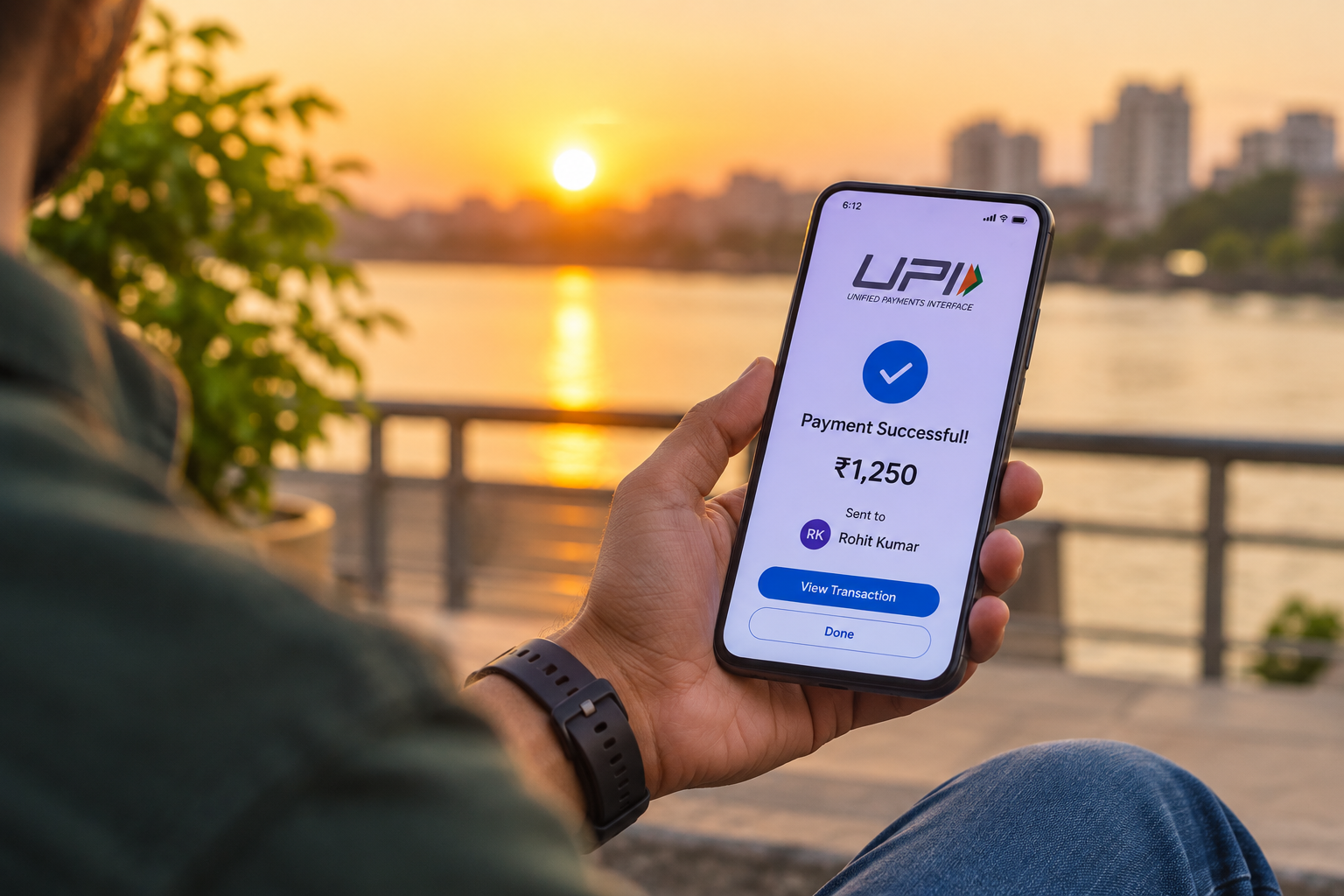
Start by checking which payment channels are active on your main savings account, salary account, and cards. Many users enable UPI, debit card, credit card, internet banking, and mobile banking, but regularly use only some of them. Turning off unused channels can reduce exposure without changing savings habits, loan repayments, or long-term financial planning. If you are unsure whether a channel is needed, ask the bank to explain what will stop working before you disable it.
Setting Practical Limits for Daily Use
When limit controls become available, choose amounts that match your usual daily needs. A household may prefer a lower routine limit for groceries, fuel, and small transfers, while using authenticated changes for less frequent larger payments. Avoid setting very high limits only for convenience, because possible fraud losses can grow faster when limits remain wide open. A practical limit should support normal life while reducing avoidable risk.
Bank mobile apps may offer wider controls than some third-party payment apps because they connect directly to your account and cards. You may find card on-off switches, domestic or international usage controls, and limits for ATM, online, and point-of-sale transactions. If you use a credit card, check both the bank app and the card control section provided by the issuer. The available options will depend on your bank’s rollout and the final applicable rules.
Finding the Stop Switch Before an Emergency
The stop switch location may vary by bank, and the final design will depend on each institution’s rollout. Some banks may place it under fraud reporting, emergency controls, or security settings. Before an emergency happens, learn where your bank keeps urgent safety options and save official customer-care channels. This preparation can save time if your phone is lost, your credentials are exposed, or you see a suspicious debit attempt.
A helpful video explainer from The Hans India on RBI’s digital banking safety rules describes how the stop switch can block future outgoing debit transactions. Such explainers can build awareness, but exact steps should always come from your own bank. Each bank’s app design, authentication flow, and support process may differ. Never follow instructions from an unknown caller who asks you to install an app, share a screen, or reveal an OTP.
Practical Challenges and Limitations of the New Safeguards
These safeguards are useful, but they are not magic shields. The verified research says certain recurring payments already authorised by customers may remain outside the stop switch block. That means insurance premiums, subscription payments, loan EMIs, or other approved mandates may need separate review. Users should understand what the stop switch covers before assuming every outgoing debit will be blocked.
Re-enabling channels may also need authentication, which is good for safety but may feel slow during urgent needs. Older users or less tech-savvy customers may need help from family members or bank staff. Banks should design clear screens, simple language, and branch support so that safety does not become a source of stress. The goal should be strong protection with simple customer action.
Recurring Payments and Stop Switch Exclusions
A stop switch blocks future customer-initiated debits, but it may not stop every authorised recurring debit. Users should separately check standing instructions, UPI Autopay mandates, credit card bill payments, and loan-related debits. This matters for families that run many fixed obligations every month, including home loan EMIs and insurance premiums. A fraud-control step should not accidentally create missed payment problems.
Do not cancel useful mandates in panic unless you understand the result. Missing an EMI or insurance premium can create separate problems that may affect cash flow and financial planning. If a fraud risk exists, contact your bank quickly and ask how the stop switch affects existing mandates. Keep a record of complaint numbers, messages, and any instructions given by the bank through official channels.
Usability Concerns for Older or Less Familiar Users
Many Indian households include users who are not comfortable with app menus, OTP screens, or English-only prompts. A good safeguard must work for them too. Banks should explain these features in simple language and support customers at branches, call centres, and digital help sections. Clear warnings should also explain what will happen after a channel is disabled or a stop switch is activated.
Family members can help by setting up safer defaults without taking control away from the account holder. Teach elders to avoid sharing OTPs, PINs, passwords, card CVV, or screen access. A trusted-person feature may help in high-value transfers, but it should never become an excuse to share sensitive credentials. The account holder should remain aware of what is being approved and why.
Remaining Fraud Risks and Consumer Vigilance
Fraud can still happen if a user approves a payment after believing a fake story. Many scams rely on fear, urgency, or false promises, not only weak technology. No RBI rule can fully protect someone who shares an OTP with a caller pretending to be from a bank. Customer behaviour will remain a major part of payment safety.
Keep your mobile number, email address, and app notifications updated with your bank. Read transaction alerts quickly, even for small amounts, because small test transactions can signal a larger fraud attempt. If you need personalised help on investments, taxes, or regulated financial planning, consult a qualified professional, including a SEBI-registered investment adviser where appropriate. Payment safety should be handled separately from investment decisions.
What You Can Do Now to Secure Your Digital Transactions
You do not need to wait for every proposed feature to become perfect before improving your safety. Review active payment channels on your main savings account, salary account, and credit card. If you see a channel you never use, check whether your bank already allows you to switch it off. Also review whether your daily transaction limits match your normal spending pattern.
Set practical limits wherever your bank or card app already offers them. For example, keep online card limits aligned with normal spending rather than rare big-ticket purchases. If rising household debt worries you, PocketPlanGuru’s article on rising household credit and loan EMI pressure can help you review cash-flow risks. Better payment controls are most effective when they sit within a broader habit of budgeting and monitoring.
Regularly Monitor Transaction Alerts and Statements
Check SMS, email, and app notifications soon after they arrive. Small unfamiliar debits should not be ignored, because they may be used to test whether an account is active and unmonitored. Review bank statements at least once a week if your account sees frequent UPI and card activity. Quick detection can improve your chances of limiting further damage.
Report suspicious transactions to your bank immediately through official channels. Do not search random customer-care numbers on the web, because fraudsters can create fake listings and misleading pages. Use the number printed on your card, bank website, passbook, or official app. If you visit a branch, carry identification and ask for a written complaint reference wherever possible.
Enable and Familiarize Yourself with New Control Features
When your bank rolls out RBI’s new digital payment safeguards, test the menus during a calm moment. Learn how to disable UPI, switch a card off, change a limit, and find the stop switch. Do not wait until your phone is stolen or your account looks compromised. Familiarity reduces confusion when time matters.
Set realistic limits for daily life, not limits that simply sound strict. A very low limit may push you to change settings often, which can create fatigue and careless approvals. A balanced limit supports safety while still allowing normal spending on groceries, bills, fees, and travel. Review these settings periodically as your payment habits change.
Seek Help if Unsure
If you feel unsure, ask your bank to explain the controls in plain language. Branch staff or official phone support can guide you on stop switch use, card toggles, and channel limits. Never share OTPs, passwords, PINs, or full card details during these conversations. A genuine bank representative should not need those details to explain safety settings.
Keep official contact details saved before an emergency arises. If you change your phone, SIM, or email address, update your bank records promptly so that authentication and alerts keep working. If a caller pressures you to act immediately, disconnect and contact the bank through verified channels. Calm verification is often the simplest defence against social-engineering fraud.
Related reading on PocketPlanGuru
- How RBI’s New ₹50,000 Cash NEFT Transfer Rule Affects You
- What RBI’s Proven Liquidity Boost Means for Your Loans
- Why the RBI Rate Hike and Rupee Slide Matter for You
Frequently Asked Questions
Can I disable UPI payments temporarily and enable them later?
Yes, the proposed framework allows customers to disable payment channels such as UPI and enable them again later. The exact process will depend on your bank once the feature becomes available. Re-enabling may require authentication.
What happens when I activate the stop switch on my account?
The stop switch blocks future customer-initiated debits from the affected account. It can help when you suspect your device, account, or credentials have been compromised. Some recurring payments already authorised by you may be excluded.
Are all banks required to implement these safeguards immediately?
The verified research describes RBI’s recent draft amendment directions, not a uniform live date for every bank feature. Banks will need to follow RBI’s final compliance expectations and update their systems. Timelines may vary by institution.
Can fraud still happen after applying these safeguards?
Yes, fraud can still happen, especially when users share OTPs or approve payments under pressure. These safeguards reduce risk, but they do not replace alertness. Keep monitoring alerts, statements, and app notifications.
Who do I contact if I face issues managing these safeguards?
Contact your bank’s official customer support, branch, or verified app help section. Do not trust random phone numbers, social media handles, or messages asking for OTPs. For personalised investment decisions, consult a SEBI-registered investment adviser.
Stay Proactive About Payment Safety
RBI’s new digital payment safeguards can make everyday banking safer by giving users more control over UPI, cards, limits, and emergency debit blocks. The real benefit will come when banks make these tools simple and customers use them before trouble starts. Explore your app’s security settings, review your limits, and keep official bank contact details handy. Payment safety is strongest when RBI rules, bank systems, and customer vigilance work together.
Sources and further reading
- Reserve Bank of India (official website)
- Digital payments fraud safeguards must come with banks' accountability | Editorial Comment – Business Standard
- To Serve and Protect
- RBI proposes digital payment safeguards: Explained – How customers can control UPI, switch off cards, set paym
- RBI’s new authentication directions: Strengthening digital payment security | IBM
- India Cracks Down on ‘Alarming’ Digital Payments Fraud With Strict New Rules
Disclaimer: The information above is for educational purposes only and does not constitute financial advice.