


Understanding Digital Gold in India’s Current Regulatory Landscape
Digital gold is legal to buy and sell in India, but it remains unregulated as a financial product in 2026. A useful summary by Stashfin on digital gold regulations in India says buyers may receive a GST invoice and claim title to physical gold. Even so, they do not get the same investor protection available in mutual funds, stocks, Gold ETFs, or other regulated exchange products.
This gap matters because Indian investors often treat gold as a safe asset during inflation, weak rupee phases, or market stress. Gold feels familiar to many families, unlike equity market risk linked to the Nifty and Sensex or repayment pressure from a personal loan or credit card balance. Familiarity should not replace due diligence, especially when the product sits outside the normal SEBI and RBI investor protection framework.
What is Digital Gold and How Does It Work?
Digital gold allows you to buy small amounts of gold online without visiting a jeweller. The platform usually says it buys equivalent physical gold and stores it in vaults through a partner. Your ownership may appear in digital form through account records, invoices, or receipt-style entries inside the app.
Some discussions also refer to Electronic Gold Receipts, or EGRs, when explaining digital ownership of gold. Investors should not confuse app-based digital gold with regulated exchange-traded EGR products. Before buying, check whether you hold only a platform-based claim or a product traded under a formal market framework.
SEBI’s Position and Warnings on Digital Gold
SEBI has warned investors to be careful with digital gold because it does not fall under its regular investor protection framework. A News18 explainer on SEBI’s caution on digital gold highlights the risk of platform collapse or failure to deliver gold. If such a problem occurs, investors may not receive the quick protection or formal market support they expect in regulated securities markets.
Digital gold is not treated like a listed share, commodity derivative, or mutual fund unit under current rules. That means investors rely heavily on the platform, vault partner, and private agreements they accept while using the app. For official market updates, investors should also track notices on the SEBI website rather than depending only on platform notifications.
Practical Investor Toolkit: Safeguarding Your Digital Gold Investments
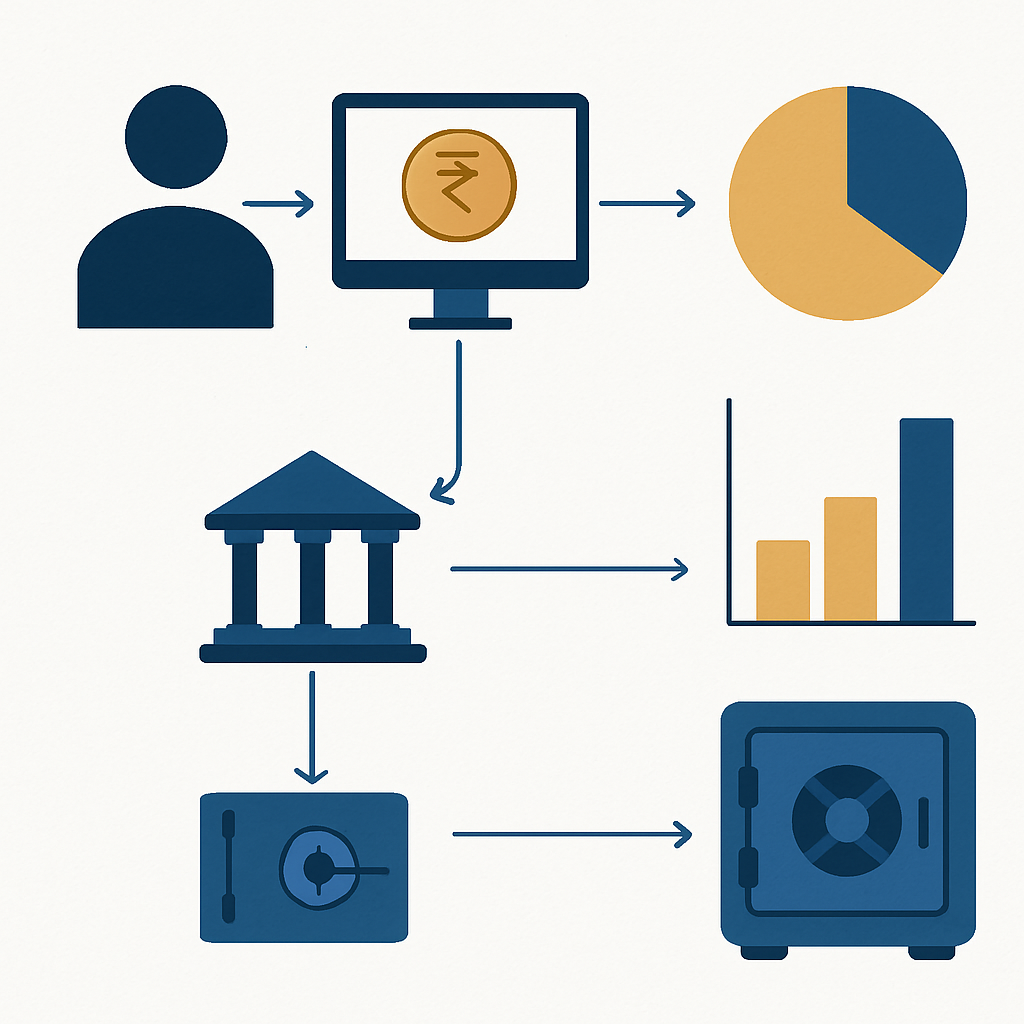
India’s Digital Gold Regulation remains incomplete, so due diligence becomes the first safety layer for retail investors. Before making a purchase, check who sells the gold, who stores it, and how redemption works. If you cannot find clear answers in the platform’s terms, consult a financial advisor before adding more money.
Digital gold may look as simple as a UPI payment, but the back-end risk can be complex. A gold purchase should not become blind trust in a fintech brand or wallet interface. Use the same care you would use before choosing a home loan, term insurance policy, or long-term SIP.
Checklist for Choosing a Reliable Digital Gold Platform
Start with basic documents such as GST invoices, transaction IDs, and clear purchase terms. The invoice should identify the seller and the gold purity claimed by the platform. The platform should also explain its vaulting partner, storage process, insurance arrangements, and audit practices in plain language.
Review platform costs because spreads, storage rules, redemption charges, and delivery fees can reduce returns. Zerodha founder Nithin Kamath has publicly flagged concerns on unregulated digital gold and higher costs. A low entry amount should not hide a weak exit process, so consult a financial advisor if the cost structure is unclear.
Monitoring and Verifying Your Digital Gold Holdings
Keep screenshots, invoices, emails, SMS records, and account statements for every purchase and sale. If the platform shows EGR-style tracking, confirm what legal right it actually gives you. Also check whether the record proves direct ownership of gold or only a claim against the platform.
Redemption rules need extra attention because each platform may set its own minimum quantity, charges, and delivery limits. Some platforms allow coins or bars, while others may make redemption costly, slow, or inconvenient. Review these rules before buying, and consult a financial advisor if physical delivery or quick liquidity is important for your plan.
Reducing Counterparty Risk in an Unregulated Market
The key risk in digital gold is not only gold price movement but also counterparty reliability. A platform, vault partner, or seller arrangement can create problems that do not exist in the same way for regulated exchange products. If a large part of your gold exposure is on one unregulated platform, consult a financial advisor before deciding whether to hold, redeem, or shift.
Digital gold should be assessed as part of a wider financial plan that may include bank savings, EPF, PPF, NPS, mutual funds, insurance, and emergency cash. Borrowing through a credit card or personal loan to buy gold can increase financial pressure if prices fall or redemption is delayed. If safety, liquidity, and clear rules matter most, consult a financial advisor about regulated alternatives.
Financial Security: Taxation, Inheritance, and Legal Status of Digital Gold
Digital gold also creates practical issues around income tax, inheritance, and disputes. Gains from the sale of digital gold generally need to be reviewed under capital gains rules, similar to physical gold, subject to current tax law. GST may apply when you buy digital gold, but your profit or loss is handled separately for tax purposes.
Families should also think about what happens after the account holder’s death. A spouse, nominee, or legal heir may need platform approval, identity documents, and proof of legal claim. Without clear records, even small gold holdings can become stressful during succession, probate, or family settlement.
Tax Implications Under Indian Income Tax Rules
Digital gold gains may attract short-term or long-term capital gains tax depending on the holding period and the law applicable in the relevant financial year. Tax rules can change, so investors should not rely on old articles, app messages, or social media posts. Consult a tax professional or financial advisor before filing your ITR if you sold digital gold during the year.
GST on purchase does not mean your future gain becomes tax-free. Keep purchase values, sale values, dates, invoices, bank proofs, and platform statements ready for income tax records. This habit also helps if you hold physical gold, Gold ETFs, or other assets outside traditional tax-saving products.
Inheritance, Wills, and Legal Ownership Issues
Digital gold may be treated as a movable asset for estate planning purposes, depending on the legal structure and documents involved. Add account details, platform names, registered mobile numbers, and approximate holdings in your family asset file. If you make a will, ask a legal professional how to describe these holdings clearly.
Nomination does not always settle ownership in the same way as a valid will or succession document. Platforms may ask heirs for death certificates, KYC documents, indemnities, and legal papers before transfer. If the platform fails after the owner’s death, the family may face a harder claim process and should seek professional guidance.
Legal Recourse and Dispute Resolution Challenges
The biggest risk in unregulated digital gold is weak recourse when something goes wrong. If a platform refuses redemption or faces insolvency, investors may need to use consumer forums, legal notices, or civil courts. That process can take time, money, and emotional energy.
Preserve every record because documents can decide whether your claim survives a dispute. Do not depend only on app screens, as access can vanish during technical failures, account freezes, or business shutdowns. Store backups in email, cloud folders, and a family finance file that trusted family members can locate.
Safe Alternatives: Choosing Regulated Gold Investment Options
Many Indian investors want gold exposure without storing jewellery at home. Regulated options like Gold ETFs, exchange-traded EGRs, gold mutual funds, and Sovereign Gold Bonds can offer clearer frameworks than many app-based digital gold products. These products may not suit everyone, so consult a financial advisor before changing your portfolio.
Gold should support your plan, not replace it. A strong money plan also considers SIPs, emergency funds, insurance, debt control, and goal timelines. If you follow regulatory changes, you may like our article on what SEBI’s rules mean for REITs and InvITs.
Gold ETFs and Electronic Gold Receipts
Gold ETFs trade on exchanges and come under SEBI’s market framework. Investors can buy and sell them through demat and trading accounts, much like shares on the NSE or BSE. You can learn more about listed products through the NSE website.
Regulated EGRs are designed to represent gold in electronic form within a market structure. They aim to improve transparency through exchange trading, vault standards, and clearer settlement. This makes them different from many app-based digital gold products that depend on private platform rules.
Sovereign Gold Bonds and Gold Mutual Funds
Sovereign Gold Bonds are issued by RBI on behalf of the Government of India when new tranches are available. They offer gold-linked redemption value and fixed interest, which can help some long-term investors. Investors can track official updates on the RBI website and consult a financial advisor before deciding whether SGBs match their needs.
Gold mutual funds invest through gold-related instruments and may suit people who prefer SIP-style investing. They still carry market risk, but they operate within the mutual fund regulatory framework. Compare costs, liquidity, taxation, and goal fit with professional guidance before choosing any gold route.
Future Outlook: Anticipated Regulations and Global Best Practices
India’s Digital Gold Regulation may become stricter as investor interest grows. The LSE Business Review article on why India should study Britain’s digital gold model says Indians traded digital gold worth approximately ₹16,000 crore between January and November 2025. That scale increases the need for stronger checks, audits, disclosures, and dispute systems.
Future rules could ask platforms to register, disclose vault details, and maintain stronger records. Regulators may also push clearer investor communication so buyers understand what they own and what protection they lack. Until formal rules arrive, investors should assume that platform risk remains real.
Likely Regulatory Actions in India
Possible actions could include mandatory audits, standard disclosures, and minimum governance norms for platforms. Regulators may also ask companies to define redemption rights and custody arrangements more clearly. A structured dispute redressal mechanism would make the product safer for retail investors.
Wider financial conditions may also influence gold demand among households. Inflation, interest rates, rupee movement, and liquidity conditions can affect how families think about gold, loans, and savings. For related context, read our take on the RBI rate pause and its impact on loans and savings.
Learning from the U.K.’s Electronic Gold Receipt Model
The U.K. approach discussed by LSE focuses on clearer rights, vault control, and traceable ownership. India can learn from models that define who owns the gold, who stores it, and how disputes get resolved. A strong framework can improve trust without removing the convenience that made digital gold popular.
Better regulation can also help honest platforms stand apart from weak players. Investors benefit when costs, custody, and redemption rules become easier to compare. That is the promise behind a stronger Digital Gold Regulation framework in India.
Preparing Investors for Upcoming Changes
Review your holdings now rather than waiting for a crisis. Check whether your gold exposure sits in unregulated digital gold, ETFs, SGBs, jewellery, or mutual funds. If your budget feels stretched by inflation, our guide on rising oil prices and rupee impact on your budget may also help.
Ask platforms for better disclosures and keep proof of every transaction. If rules change in future, compliant platforms may adapt faster than weaker ones. Consult a financial advisor to decide whether to hold, redeem, or move toward regulated options.
Frequently Asked Questions About Digital Gold Regulation in India
Digital gold creates many common doubts for Indian families. The key question is not only whether gold prices will rise, but whether your ownership is protected. These answers explain the basics, but they are not a substitute for personal financial advice.
Is digital gold safe to invest in India?
Digital gold is legal in India, but it is not regulated like mutual funds, listed stocks, or exchange-traded Gold ETFs. That means safety depends on the platform, vault partner, seller structure, and your documents. India’s Digital Gold Regulation is still developing, so investors should stay cautious and consult a financial advisor before committing meaningful savings.
How is digital gold taxed under Indian law?
Digital gold gains are generally reviewed under capital gains rules, depending on the holding period and current income tax law. GST may apply when you buy digital gold, but it does not remove possible capital gains tax when you sell. Keep invoices, sale records, bank proofs, and platform statements ready for ITR filing.
Can I redeem digital gold for physical gold easily?
Redemption depends fully on the platform’s policy. Some platforms allow delivery of coins or bars, while others may set minimum limits, delivery charges, and extra conditions. Check these terms before buying, especially if physical delivery matters to your family.
What happens to digital gold investments if a platform fails?
This is the biggest concern for investors. Since digital gold lacks formal investor protection, your access to gold may become difficult if the platform fails or refuses delivery. Your records may help in a claim, but recovery can still take time and may require legal or consumer forum action.
Will digital gold regulation improve in India soon?
Regulators have already warned investors, and tighter rules may emerge as the market grows. Possible changes could include registration, audits, vault disclosures, clearer custody standards, and better dispute redressal. Until then, compare digital gold with regulated options and consult a financial advisor before making portfolio decisions.
Review your digital gold holdings and check whether they match your risk comfort, liquidity needs, and family records. If safety, transparency, and clear rules matter to you, explore regulated gold options with professional guidance before adding more money. Subscribe to PocketPlanGuru for simple, India-focused guides that help you protect your investments and financial security.
Disclaimer: The information above is for educational purposes only and does not constitute financial advice.
3 Comments